ESC

What are you looking for?

ESC

What are you looking for?

Shopping cart

Your favorites

You have not yet added any recipe to your favorites list.

Browse recipes

Schedule your 15-minute demo now

We’ll tailor your demo to your immediate needs and answer all your questions. Get ready to see how it works!

0
0
×

School E-Shop

Regular HVAC Care, Safer Schools

Heating, Ventilation, and Air Conditioning (HVAC) systems do far more than keep classrooms comfortable. In schools, they directly affect indoor air quality, student health, and the overall learning environment. When these systems are regularly maintained, they provide clean, comfortable air with fewer breakdowns and lower energy costs. When they’re neglected, they can become a hidden safety and health risk.

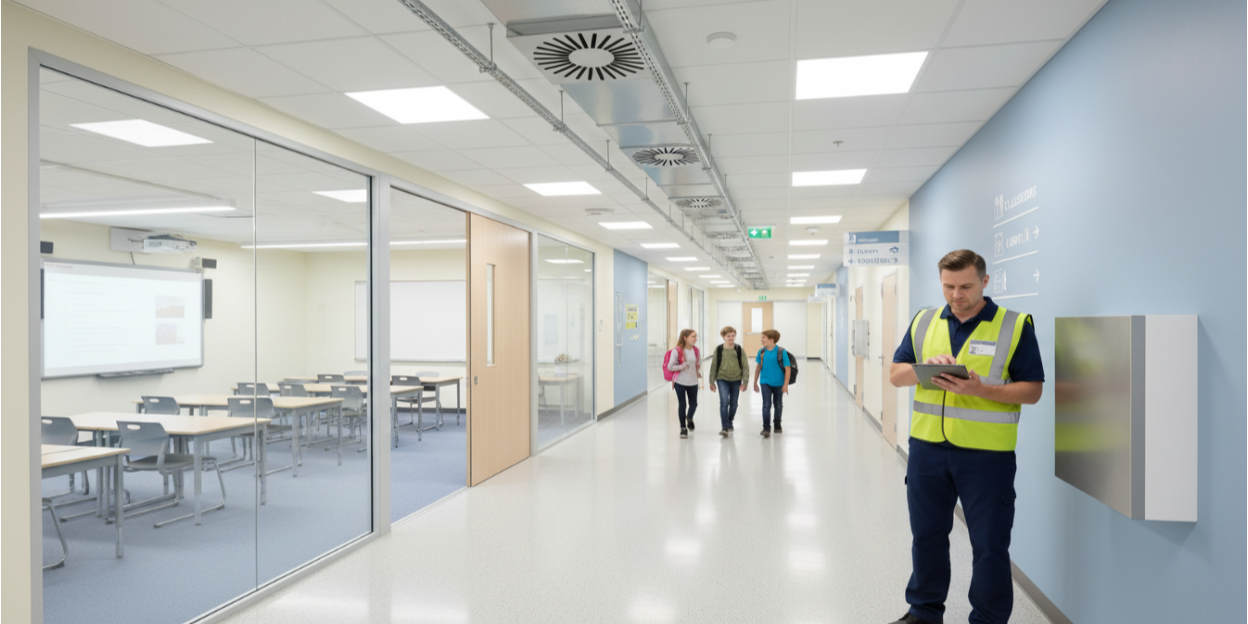
Regular HVAC maintenance means more than an occasional repair. It includes scheduled inspections, cleaning, filter changes, minor repairs, and performance checks. This proactive approach keeps components like filters, coils, fans, and ducts working as designed, instead of waiting for something to fail during school hours.

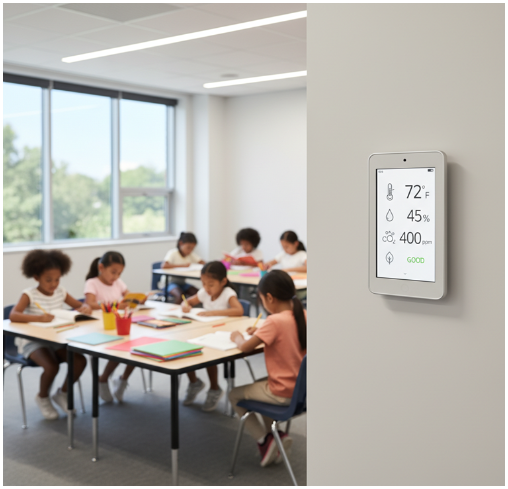
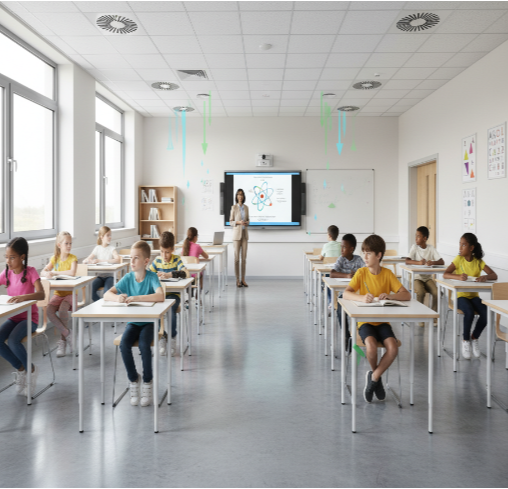
One of the most important outcomes of good maintenance is better indoor air quality (IAQ). Clean filters trap dust, allergens, and pathogens that would otherwise circulate in classrooms and offices. Over time, clogged filters reduce airflow, strain the system, and allow contaminants to build up. Replacing filters on schedule and cleaning coils and ducts help reduce respiratory issues, allergies, and the spread of common illnesses among students and staff.

Safety is another key reason to maintain school HVAC systems. Gas-fired heating units must be checked regularly for leaks, ventilation issues, and proper combustion to prevent exposure to carbon monoxide or other harmful gases. Electrical components, wiring, and controls should also be inspected to reduce fire risk. Identifying these problems early is far safer—and far cheaper—than dealing with emergencies later.

Energy efficiency is closely tied to maintenance as well. Dirty coils, blocked ducts, and worn-out parts force the system to work harder to deliver the same level of comfort, driving up energy bills. Routine cleaning, lubrication, and tuning help HVAC units run efficiently, reducing both operating costs and the school’s environmental footprint.

Regular maintenance also lowers the chance of sudden breakdowns that disrupt classes, close rooms, or force emergency repairs. Planning preventive maintenance during school holidays, weekends, or after hours minimizes disruption and keeps learning on track.

Budget constraints often make schools hesitant to invest in maintenance. However, partnering with qualified HVAC service providers, using maintenance contracts, and training in-house staff to handle basic tasks—such as visual checks, filter monitoring, and reporting unusual noises or smells—can make the process more manageable and cost-effective over time.

By prioritizing regular HVAC maintenance, schools protect health, prevent safety hazards, control energy costs, and support a stable, comfortable learning environment. It is not just a technical requirement—it is a core part of responsible school safety and infrastructure management.

Prev Article
Energy-Efficient School HVAC: Comfort, Savings, and Sustainability
Next Article
Modern HVAC Technologies Making Schools Healthier, Safer, and More Efficient

Related to this topic:

rocket-icon rocket-icon rocket-icon

Learn What Makes Schools Truly Safe

Receive safety guides, policy updates, and best practices from global experts.

We care about your Personnel Data. Please check Privacy Policy