ESC

What are you looking for?

ESC

What are you looking for?

Shopping cart

Your favorites

You have not yet added any recipe to your favorites list.

Browse recipes

Schedule your 15-minute demo now

We’ll tailor your demo to your immediate needs and answer all your questions. Get ready to see how it works!

0
0
×

School E-Shop

Partnering for Safer School Communities

School safety is not just the school’s job—it is a shared responsibility. When parents and community members understand, support, and actively participate in safety policies, students benefit from a consistent, protective environment both inside and outside the classroom.

Parents are the first and most consistent influence in a child’s life. One of the most effective ways they can support school safety is by taking time to understand the school’s safety policies. This includes reading handbooks, digital safety guidelines, transport rules, and behaviour expectations. Discussing these rules at home helps children know what is expected of them and why those expectations exist. When home and school messages match, children are more likely to comply and feel secure.

Equally important is encouraging open communication. Children should feel safe reporting bullying, unsafe behaviour, or anything that makes them uncomfortable. Parents can model this by listening calmly, avoiding blame, and reassuring their child that speaking up is the right thing to do. They can also teach children when and how to report concerns to a trusted adult at school.

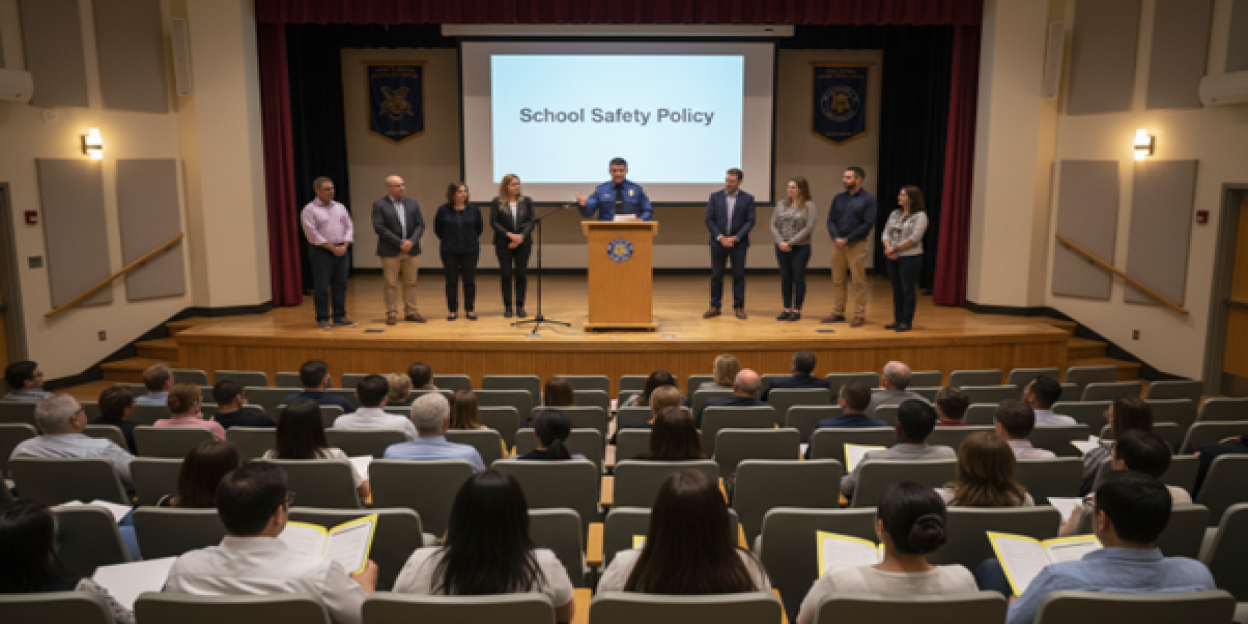
Parents can further strengthen safety by participating in school safety discussions. Joining parent–teacher meetings, safety committees, or attending workshops allows parents to share feedback, ask questions, and suggest improvements. Their input helps schools identify gaps—such as unsafe bus stops, poor lighting around entrances, or unclear communication channels.

The wider community also has a powerful role. Collaboration with law enforcement can greatly enhance school safety. Local police or safety officers can support schools with safety audits, emergency drills, traffic management around school gates, and age-appropriate awareness sessions for students and parents.

Community organizations and local businesses can help by providing resources for training. This may include funding first-aid workshops, cyber safety sessions, mental health awareness programs, or training staff and volunteers in emergency response. These investments build a confident, prepared school community.

Finally, community leaders and active citizens can advocate for stronger policies at local and regional levels. This might involve pushing for safer road crossings near schools, improved public transport safety, better infrastructure, or clearer child protection regulations. When the community speaks together, policymakers are more likely to act.

Involving parents and the community transforms school safety from a set of rules into a shared culture of care. When everyone understands the policies, talks openly about concerns, and works together on solutions, students are more likely to feel protected, heard, and supported—both in and out of the classroom. The message is clear: safer schools start with strong partnerships.

Prev Article
Addressing and Preventing Violations of Physical Contact Policies in Schools

Related to this topic:

rocket-icon rocket-icon rocket-icon

Learn What Makes Schools Truly Safe

Receive safety guides, policy updates, and best practices from global experts.

We care about your Personnel Data. Please check Privacy Policy