ESC

What are you looking for?

ESC

What are you looking for?

Shopping cart

Your favorites

You have not yet added any recipe to your favorites list.

Browse recipes

Schedule your 15-minute demo now

We’ll tailor your demo to your immediate needs and answer all your questions. Get ready to see how it works!

0
0
×

School E-Shop

Handling Physical Contact Policy Violations

Schools often have well-written physical contact policies, yet violations can still occur. The real test of safety lies not only in having policies, but in how consistently and fairly they are enforced when something goes wrong.

Physical contact policies are designed to protect students from harm, create clear boundaries for staff and peers, and build a culture of respect. However, challenges such as lack of awareness, fear of reporting, and cultural differences can weaken enforcement if not addressed deliberately.

One common issue is that staff and students may not fully understand what the policy covers. Terms like “inappropriate touch,” “comforting contact,” or “accidental contact” can feel vague without concrete examples. Regular, age-appropriate orientation sessions for students and training for staff are essential. Use simple language, real-life scenarios, and clear “allowed vs. not allowed” examples so everyone knows what is expected.

Fear of reporting is another barrier. Students may worry about retaliation, not being believed, or “getting someone in trouble.” To counter this, schools should create multiple safe reporting options, including anonymous channels such as secure online forms or drop boxes. Reassure students that reports will be taken seriously, handled confidentially, and that they will be protected from retaliation.

Cultural sensitivities must also be considered. In some cultures, physical gestures like hugs or pats on the back are signs of warmth and care; in others, they may feel intrusive or inappropriate. Schools should clarify that, regardless of cultural norms, the school’s policy and the child’s comfort and consent come first.

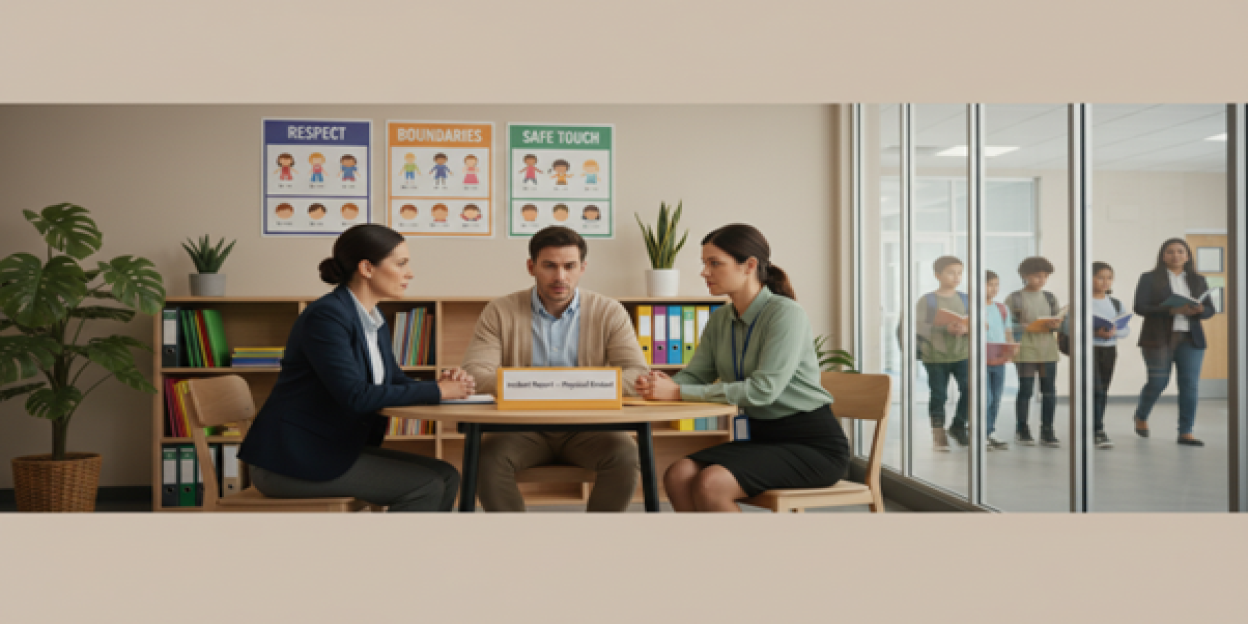
When a violation is reported, immediate, impartial investigation is critical. Every complaint should be documented, reviewed, and handled according to a clear, written process. Disciplinary actions must be fair, consistent, and aligned with school policies and local regulations—neither dismissive nor overly punitive.

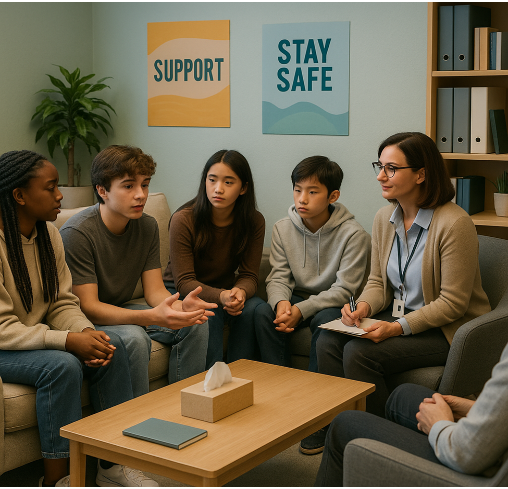
Equally important are support systems for students who report or experience violations. Providing access to the school counselor, offering a safe adult contact, and maintaining privacy helps students feel protected. Follow-up check-ins ensure they are coping emotionally and feel safe returning to normal routines.

Prevention should be ongoing, not reactive. Run regular awareness campaigns, classroom talks about personal boundaries, and staff workshops on recognizing early warning signs of inappropriate behavior. Encourage a “speak up” culture where students and staff know that raising concerns is an act of protection, not blame.

By combining clear policies, continuous education, supportive reporting systems, and consistent follow-through, schools can significantly reduce violations and respond effectively when they occur. A proactive, compassionate approach helps ensure that every child learns in a safe, respectful environment.

Prev Article
Implementing and Enforcing Physical Contact Policies in Schools
Next Article
The Role of Parents and Communities in Building Safer Schools

Related to this topic:

rocket-icon rocket-icon rocket-icon

Learn What Makes Schools Truly Safe

Receive safety guides, policy updates, and best practices from global experts.

We care about your Personnel Data. Please check Privacy Policy