ESC

What are you looking for?

ESC

What are you looking for?

Shopping cart

Your favorites

You have not yet added any recipe to your favorites list.

Browse recipes

Schedule your 15-minute demo now

We’ll tailor your demo to your immediate needs and answer all your questions. Get ready to see how it works!

0
0
×

School E-Shop

Why Schools Need Pest Policies

A School Pest Management Policy is much more than a response plan for cockroaches, rodents, or ants. It is a long-term strategy to protect student health, school infrastructure, and the overall learning environment. When schools treat pest control as part of their safety and hygiene system—not as an occasional emergency call—the benefits are significant and lasting.

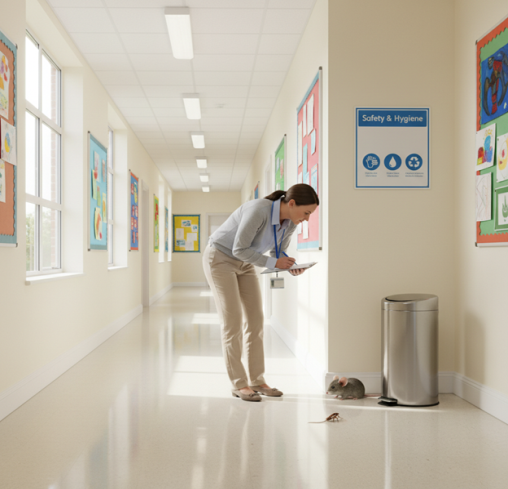
First, a strong policy directly supports a healthier learning environment. Many pests carry bacteria, allergens, and diseases that can trigger asthma, skin reactions, and gastrointestinal illness. By focusing on prevention—such as proper food storage, waste management, routine inspections, and sealing entry points—schools reduce the risk of pest-borne illness and keep attendance and participation more stable.

Second, effective pest management lowers maintenance and repair costs. Termites, rodents, and other pests can damage wiring, furniture, books, insulation, and structural elements. A policy that includes regular monitoring and early intervention helps facilities teams catch small issues before they become expensive repairs, protecting both the building and the school’s budget.

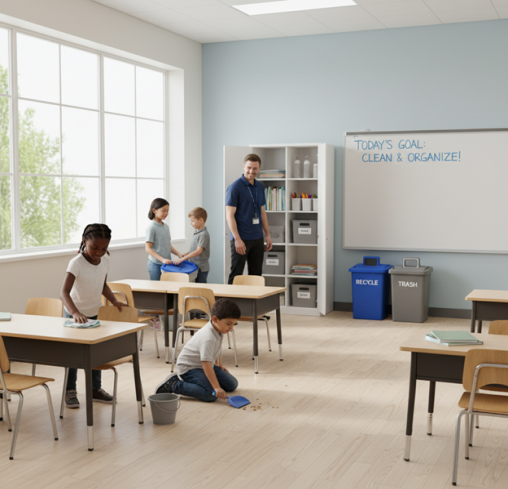
Third, a pest-free campus improves student focus and comfort. A single pest sighting in a classroom can disrupt teaching time, increase anxiety, and make children reluctant to use certain spaces (like toilets, cafeterias, or libraries). When classrooms are kept clean, monitored, and well-maintained, students can concentrate on learning instead of worrying about pests.

Modern pest management also supports eco-friendly practices. Comprehensive policies increasingly favor Integrated Pest Management (IPM) approaches—prioritizing sanitation, physical barriers, and targeted, minimal use of chemicals. This reduces unnecessary pesticide exposure for children and staff, while still keeping pest levels under control.

Another key benefit is regulatory compliance. Many local health, safety, and education standards require schools to manage pests safely, document treatments, and communicate risks. A formal policy ensures that the school’s approach is consistent, documented, and aligned with legal requirements, audits, and inspections.

Looking ahead, the future of school pest management lies in smart, data-driven solutions. Schools can adopt digital monitoring devices, sensor-based traps, and electronic reporting systems that alert facility managers early, track patterns, and guide better decisions. Partnering with qualified pest management professionals allows each school to design a customized plan based on building age, climate, and use patterns.

School Pest Management Policy is an investment in long-term safety and well-being. By combining prevention, modern technology, and clear procedures, schools can ensure cleaner campuses, healthier students and staff, and more efficient use of resources—today and in the years to come.

Prev Article
The Role of Students and Staff in School Pest Management
Next Article
Essential Swimming Pool Safety Equipment Every School Must Have

Related to this topic:

rocket-icon rocket-icon rocket-icon

Learn What Makes Schools Truly Safe

Receive safety guides, policy updates, and best practices from global experts.

We care about your Personnel Data. Please check Privacy Policy