ESC

What are you looking for?

ESC

What are you looking for?

Shopping cart

Your favorites

You have not yet added any recipe to your favorites list.

Browse recipes

Schedule your 15-minute demo now

We’ll tailor your demo to your immediate needs and answer all your questions. Get ready to see how it works!

0
0
×

School E-Shop

Pests, Schools, and Safety Risks

Pests in schools are often dismissed as a minor nuisance—an occasional rodent sighting or a few insects near a bin. In reality, unmanaged pests can quickly become a serious safety and health issue for students, staff, and visitors. A structured School Pest Management Policy is not just good practice; it is an essential part of maintaining a safe learning environment.

Pests such as rodents, cockroaches, flies, and dust mites can spread disease-causing organisms. Rodents and cockroaches are known carriers of pathogens that may lead to illnesses like salmonella, dysentery, and respiratory infections. In shared environments such as classrooms, cafeterias, and washrooms, these pathogens can spread quickly if infestations are not promptly addressed.

Beyond infections, pests are a major trigger for allergies and asthma. Dust mites and cockroach droppings, as well as pest body parts and residues, can accumulate in carpets, upholstery, and hidden corners. For children and staff with asthma or existing respiratory conditions, exposure can lead to frequent attacks, increased absenteeism, and the need for medical care during school hours, directly impacting learning and wellbeing.

Food safety is another critical area of concern. When pests access cafeterias, pantries, and food storage areas, they can contaminate food surfaces, packaging, and prepared meals. This contamination can increase the risk of foodborne illnesses, undermining efforts to provide safe, nutritious meals.

Pests can also damage school infrastructure. Termites can weaken wooden structures and furniture. Rodents may gnaw through electrical wiring, increasing the risk of short circuits or even fire hazards. Left unmanaged, these issues lead to costly repairs and pose serious safety risks.

In addition, pest sightings often disturb the learning environment. A rodent running across a classroom or insects in a lunch area can create fear, distraction, and anxiety among students. This erodes the sense of safety that is fundamental for effective teaching and learning.

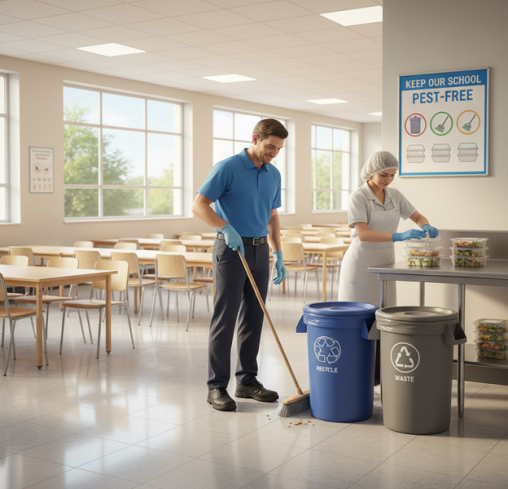
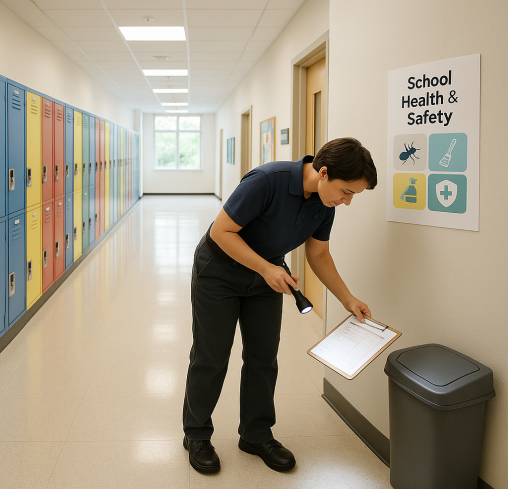
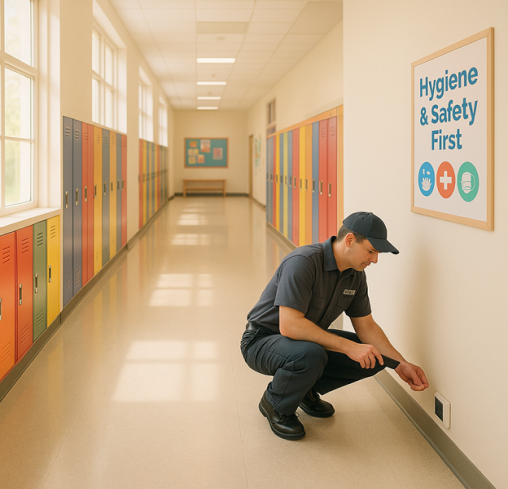
A proactive School Pest Management Policy helps prevent these problems before they escalate. Effective policies typically include regular inspections, strict sanitation and waste management practices, and integrated pest management (IPM) strategies that prioritize prevention, monitoring, and least-toxic control methods. Clear roles and responsibilities for school staff, cleaning teams, and external service providers ensure consistency and accountability.

By acknowledging how pests can affect health, safety, and learning, school leaders can prioritize prevention rather than reactive extermination. Investing in a robust pest management approach protects students, preserves infrastructure, and maintains parents’ confidence in the school’s commitment to safety and hygiene.

Prev Article
The Importance of a School Pest Management Policy for Student Safety
Next Article
Implementing an Effective School Pest Management Policy

Related to this topic:

rocket-icon rocket-icon rocket-icon

Learn What Makes Schools Truly Safe

Receive safety guides, policy updates, and best practices from global experts.

We care about your Personnel Data. Please check Privacy Policy