ESC

What are you looking for?

ESC

What are you looking for?

Shopping cart

Your favorites

You have not yet added any recipe to your favorites list.

Browse recipes

Schedule your 15-minute demo now

We’ll tailor your demo to your immediate needs and answer all your questions. Get ready to see how it works!

0
0
×

School E-Shop

Training for Real-World Emergencies

Emergencies rarely arrive with a warning, which is why preparation is one of the most powerful tools a school can invest in. When staff and students know what to do, they are more likely to respond calmly and effectively, reducing confusion and potential harm.

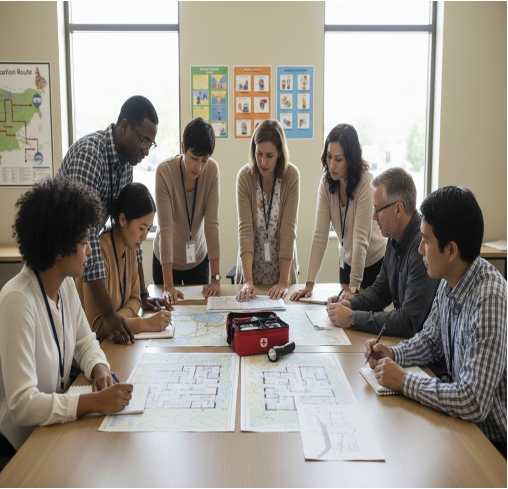
A strong emergency preparedness program begins with a clear, written emergency plan. This plan should outline how the school will respond to a range of scenarios—such as fires, natural disasters, medical emergencies, intruders, or active shooter situations. Roles and responsibilities must be clearly assigned: Who calls emergency services? Who leads evacuations? Who checks restrooms or assists students with additional needs?

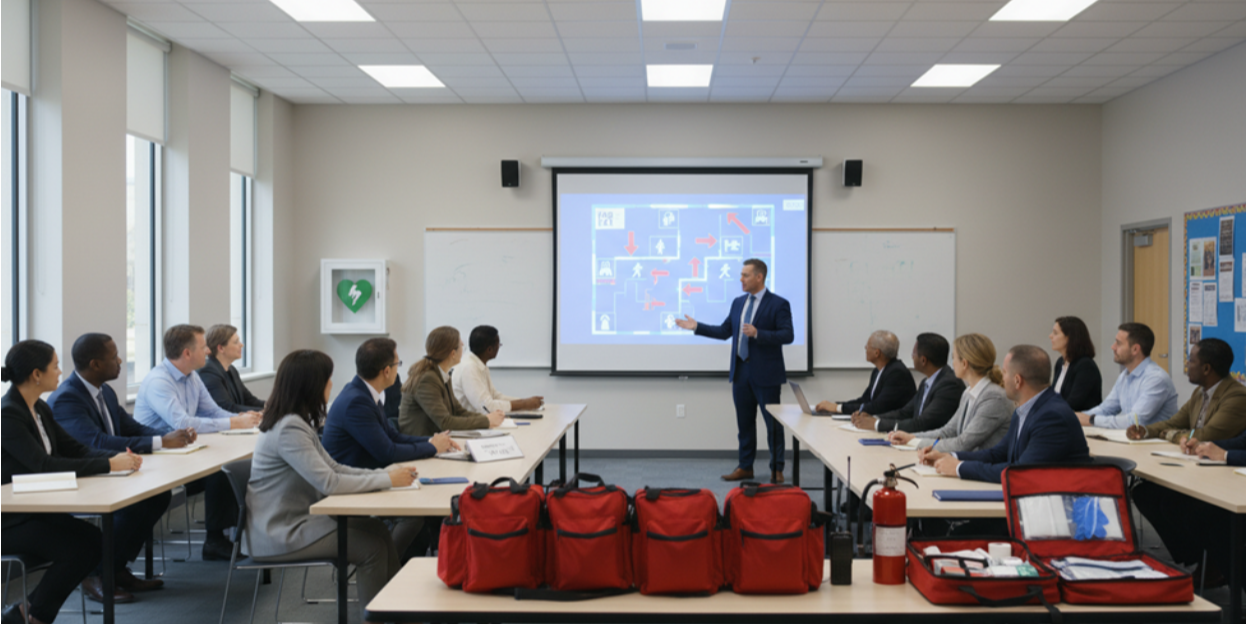
Training brings this plan to life. Staff should receive regular, scenario-based training that goes beyond theory. This includes how to guide evacuations, initiate lockdowns, communicate with the office, use basic first aid, and support students who are frightened or confused. When adults feel confident, they can model calm, reassuring behavior for children.

Drills are essential practice. Fire drills, lockdown drills, and shelter-in-place exercises help identify gaps in procedures and logistics—such as crowded exit points, unclear signage, or communication delays. Students should be age-appropriately involved, learning to listen for instructions, follow routes, and understand simple safety language (“evacuate,” “lockdown,” “stay inside”). After each drill, brief debriefing sessions allow staff to share feedback and improve the plan.

Resources and equipment are the backbone of any emergency response. Schools should ensure that first aid kits are well-stocked and accessible, fire extinguishers are maintained, and basic supplies—such as flashlights, batteries, water, and blankets—are available. Adding automated external defibrillators (AEDs) and ensuring staff are trained to use them can be lifesaving in cardiac emergencies. Reliable communication tools, such as PA systems, radios, or emergency notification apps, enable quick coordination when every second counts.

Emergency preparedness is not a one-time project; it is an ongoing cycle of review and improvement. Plans should be updated regularly based on drill feedback, staff input, new construction, or emerging risks in the community. Partnering with local fire, police, and medical services can strengthen these efforts and provide expert guidance.

Ultimately, preparedness is a shared responsibility. Administrators, teachers, support staff, students, and families all play a role. When everyone understands the plan, participates in training, and respects safety procedures, the entire school community becomes more resilient—ready not just to react, but to respond with confidence and care.

Prev Article
Building Safer Schools: Prevention, Response, and Recovery Strategies
Next Article
Proactive Emergency Preparedness for Modern Schools

Related to this topic:

rocket-icon rocket-icon rocket-icon

Learn What Makes Schools Truly Safe

Receive safety guides, policy updates, and best practices from global experts.

We care about your Personnel Data. Please check Privacy Policy