ESC

What are you looking for?

ESC

What are you looking for?

Shopping cart

Your favorites

You have not yet added any recipe to your favorites list.

Browse recipes

Schedule your 15-minute demo now

We’ll tailor your demo to your immediate needs and answer all your questions. Get ready to see how it works!

0
0
×

School E-Shop

Building Truly Prepared School Campuses

Proactive emergency preparedness is no longer optional for modern schools. With evolving risks—from cyberattacks and violent incidents to climate-induced disasters—schools must move beyond basic drills and build a culture of readiness grounded in planning, training, and continuous improvement.

At its core, proactive preparedness is about anticipation and mitigation. Schools identify potential threats in advance, reduce their impact where possible, and ensure everyone knows what to do when an incident occurs. This includes not only natural disasters and fires, but also lockdown scenarios, medical emergencies, technology failures, and communication breakdowns.

A comprehensive emergency preparedness plan is the backbone of this effort. It should clearly outline roles, responsibilities, and procedures. Key components include:

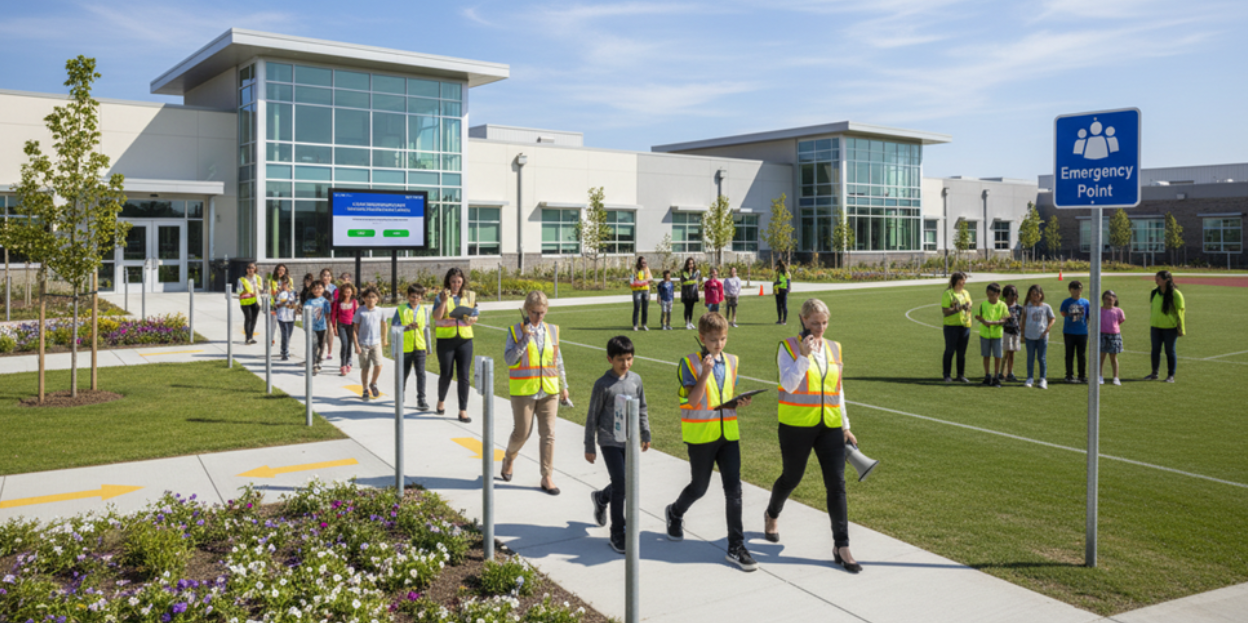
  • Up-to-date evacuation maps for classrooms, common areas, and Playgrounds
  • Lockdown, shelter-in-place, and reverse-evacuation procedures
  • Parent–student reunification plans, including designated locations and verification steps
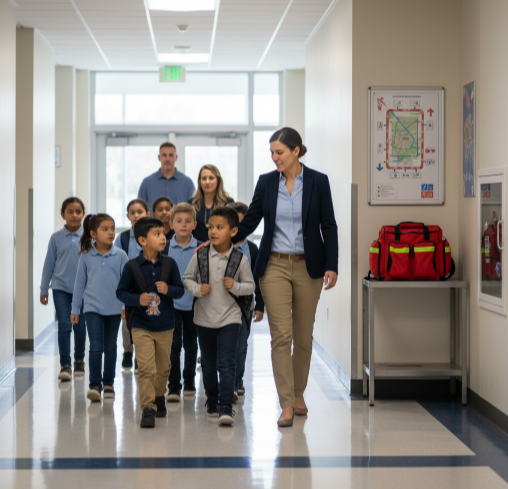
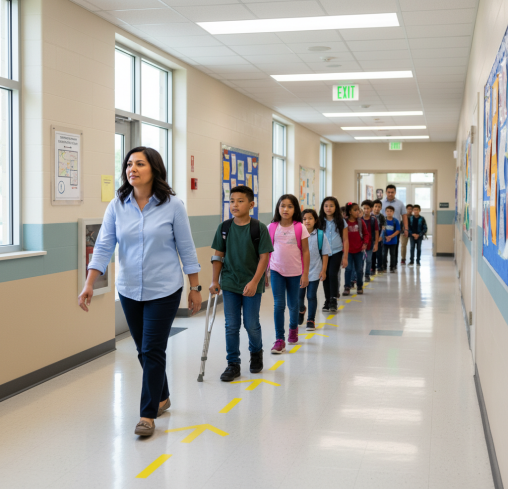
  • Clear guidelines for vulnerable groups such as young children, students with disabilities, and visitors

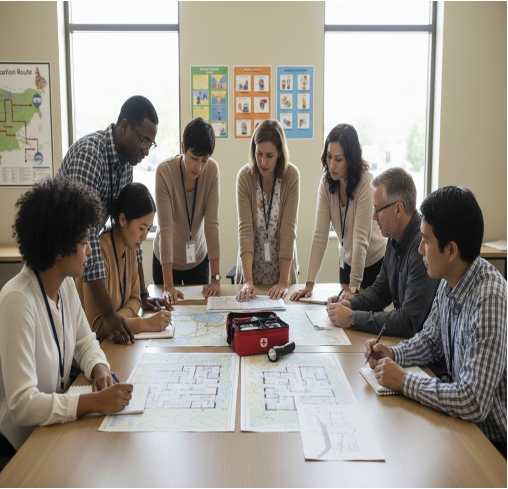
Equally important is the designation of a crisis response team. This team oversees communication, logistics, and coordination during emergencies. Members should know who handles internal announcements, who liaises with emergency services, who manages family communication, and who monitors operations such as transport and building access.

Emergency plans cannot remain static. Threats change, technology advances, and staff turnover is constant. Annual reviews—and post-incident or post-drill debriefs—are non-negotiable. Schools should routinely test and refine their plans, integrating tools such as mass notification systems, digital alert platforms, and updated contact databases to ensure fast, reliable communication.

Training is where plans become practice. All staff should receive regular training not just in basic first aid, but also in conflict resolution and crisis intervention. These skills help adults de-escalate potentially volatile situations before they become emergencies. Scenario-based drills, tabletop exercises, and short refresher sessions during staff meetings keep knowledge active and build confidence.

Finally, the most effective preparedness programs are rooted in a broader culture of safety. When safety principles are woven into daily routines—such as checking exits, monitoring visitor access, supervising transition times, and encouraging students to speak up—emergency readiness becomes a natural extension of how the school operates. Students and staff feel safer when they know there is a plan, when they practice it regularly, and when adults communicate calmly and clearly.

By investing in proactive emergency preparedness today, schools protect not only lives but also trust. Families, staff, and communities gain confidence that the school is equipped to respond effectively—no matter what challenges arise.

Prev Article
Building Stronger Schools: Enhancing Emergency Preparedness with Training and Resources
Next Article
Building Resilience Through School Emergency Preparedness

Related to this topic:

rocket-icon rocket-icon rocket-icon

Learn What Makes Schools Truly Safe

Receive safety guides, policy updates, and best practices from global experts.

We care about your Personnel Data. Please check Privacy Policy