ESC

What are you looking for?

ESC

What are you looking for?

Shopping cart

Your favorites

You have not yet added any recipe to your favorites list.

Browse recipes

Schedule your 15-minute demo now

We’ll tailor your demo to your immediate needs and answer all your questions. Get ready to see how it works!

0
0
×

School E-Shop

Save Food, Nourish Students

A healthy school is not just about classrooms and curriculum—it also starts on the plate. A Save Food Policy is a practical, school-wide approach that ensures students receive nutritious meals while minimizing the amount of food that ends up in the bin. When thoughtfully designed, these policies support student health, protect the environment, and reduce costs for schools.

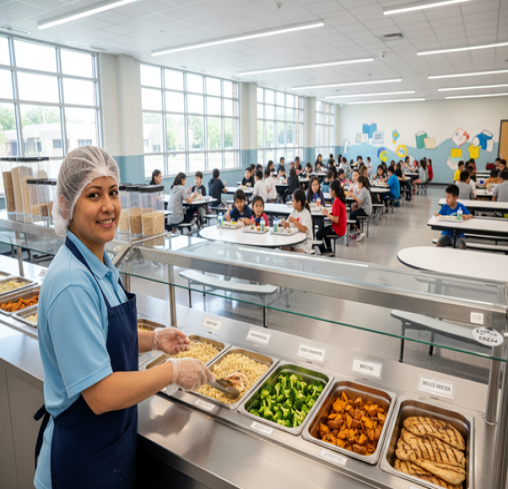
Food waste in schools often begins long before a child sits down to eat. Large, fixed portion sizes, rushed lunch periods, and menus that don’t match students’ tastes can all lead to untouched or half-eaten meals. Trays full of good food go straight into the trash, along with the money and effort that went into preparing them. Understanding these patterns is the first step in building a smarter, safer food system on campus.

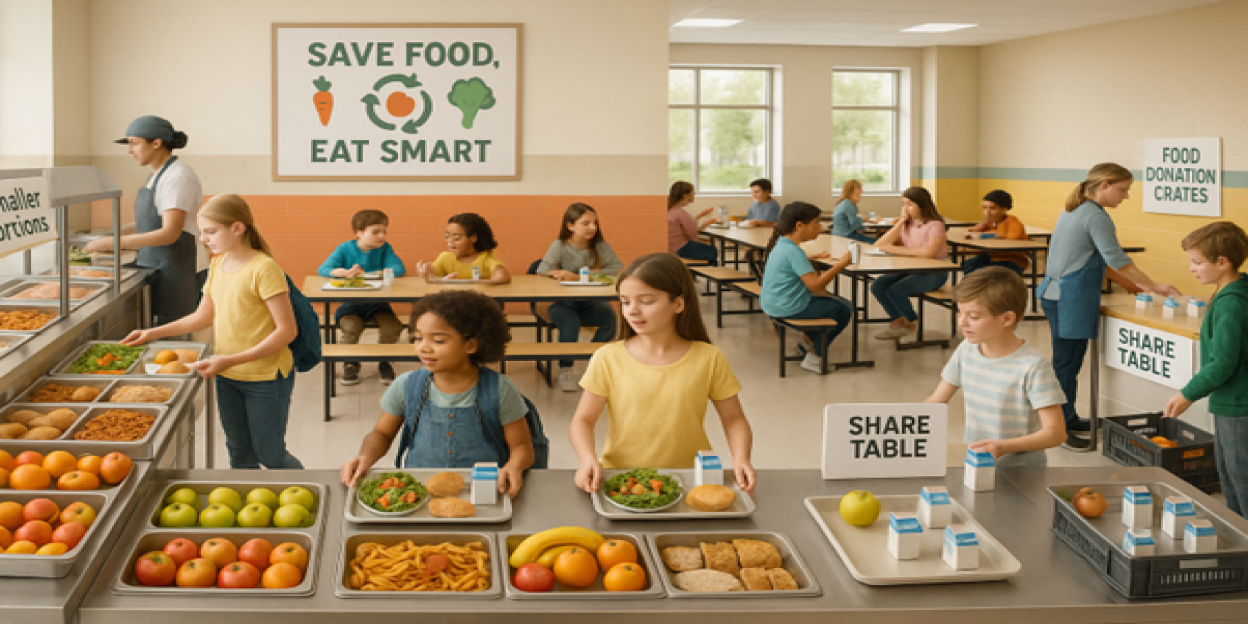
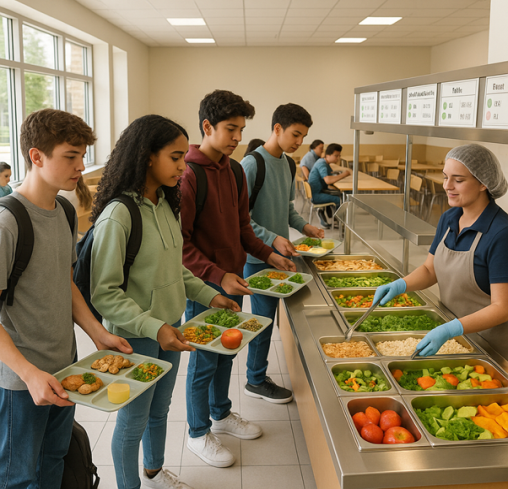
Save Food Policies encourage schools to rethink how meals are planned, served, and consumed. One of the most effective strategies is flexible portion sizes. Allowing students to choose a smaller or “taste” portion reduces plate waste and gives them the confidence to try new foods without pressure. Over time, this supports healthier eating habits rather than forcing large servings that end up uneaten.

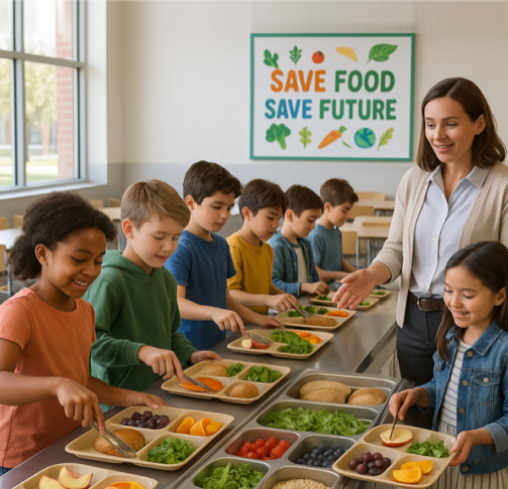
Food education is another key pillar. When students learn about nutrition, hunger, and environmental impact in age-appropriate ways, they are more likely to respect food and eat mindfully. Simple classroom activities, posters in the cafeteria, and student-led campaigns can normalize messages like “take what you need” and “finish what you take.”

A strong Save Food Policy also looks at what happens to surplus meals. Instead of discarding safe, untouched food, schools can create “share tables” where students place sealed or whole items they don’t want, allowing others to take what they will eat. In coordination with local regulations and partners, schools can also donate surplus food to community organizations, shelters, or food banks—turning potential waste into support for families in need.

From an operational standpoint, improved meal planning makes a big difference. Regularly reviewing consumption patterns—what students like, what returns uneaten, and on which days—helps kitchen teams adjust production. This data-driven approach reduces over-preparation while still meeting nutritional standards and safety guidelines.

The benefits are clear: lower food costs, less waste in landfills, safer handling practices, and students who are better nourished and ready to learn. Just as important, Save Food Policies teach responsibility. Children see that their daily choices—how much they take, what they finish, and what is shared—have real consequences for their school and community.

By adopting and enforcing a Save Food Policy, schools take a meaningful step toward creating healthier, more sustainable learning environments. When we value every meal, we value every child who depends on it.

Prev Article
The Role of Save Food Policy in Enhancing School Safety
Next Article
The Hidden Link Between Food Safety and School Security

Related to this topic:

rocket-icon rocket-icon rocket-icon

Learn What Makes Schools Truly Safe

Receive safety guides, policy updates, and best practices from global experts.

We care about your Personnel Data. Please check Privacy Policy