ESC

What are you looking for?

ESC

What are you looking for?

Shopping cart

Your favorites

You have not yet added any recipe to your favorites list.

Browse recipes

Schedule your 15-minute demo now

We’ll tailor your demo to your immediate needs and answer all your questions. Get ready to see how it works!

0
0
×

School E-Shop

Save Food, Strengthen School Safety

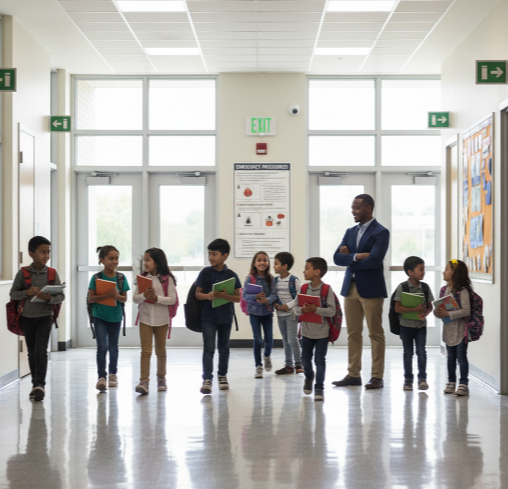
School safety is often associated with CCTV cameras, secure entry points, and emergency drills. Yet, one critical area is frequently overlooked: how food is managed, served, and wasted on campus. A well-designed Save Food Policy is not just about reducing leftovers—it directly supports student health, hygiene, and overall school safety.

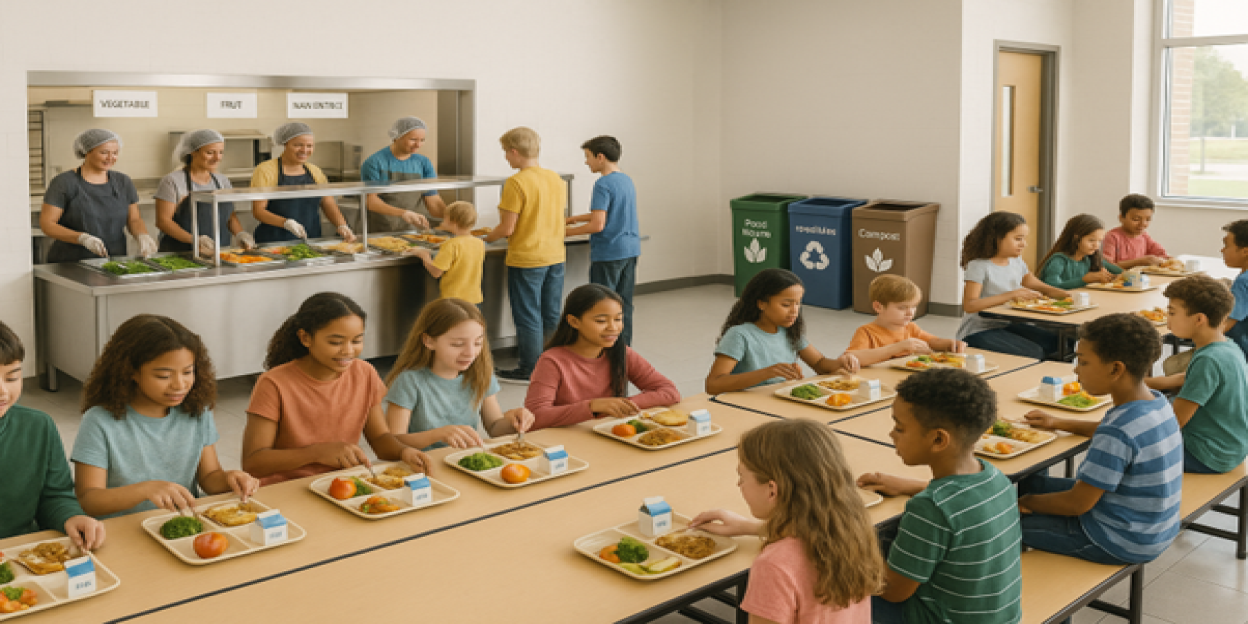
A Save Food Policy focuses on using food wisely, managing portions, ensuring safe handling, and minimizing waste. In a school setting, this means more than keeping the cafeteria tidy; it means protecting students from foodborne illnesses, avoiding allergic reactions, and preventing hygiene-related hazards such as pests and contamination.

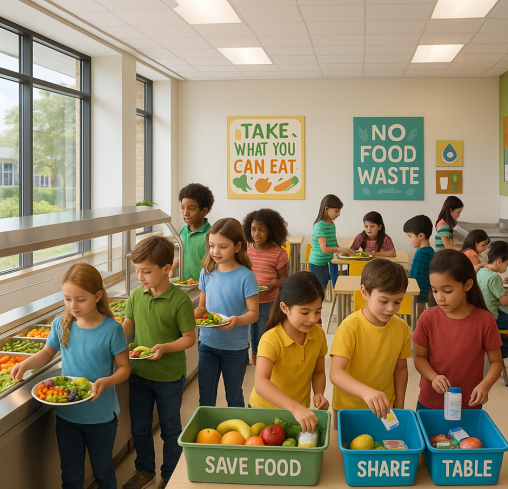
One of the most practical starting points is portion control. Serving age-appropriate portions helps prevent overflowing plates, reduces leftovers on tables, and ensures that food is fresh and rotated properly. When students are allowed to choose realistic portions, they waste less and eat more of what they take—supporting both health and safety.

Nutritional awareness is another powerful tool. Clearly displaying nutrition information, allergen warnings, and “safe choice” icons can guide students toward better decisions. This not only supports long-term health but also reduces the risk of students consuming foods that may trigger allergies or intolerance.

Safe food handling is non-negotiable in any school. Cafeteria staff and students should follow strict hygiene guidelines: proper handwashing, using gloves and clean utensils, maintaining correct cooking and storage temperatures, and separating raw and cooked foods. These practices dramatically reduce the risk of foodborne illness outbreaks that can disrupt learning and erode parent trust.

A smart Save Food Policy also addresses what happens to leftovers. Schools can safely redirect surplus food through pre-planned donation partnerships (where regulations allow), or through composting programs that involve students. This not only reduces environmental impact but also prevents unsafe, spoiled food from remaining on-site and attracting pests.

Allergen management is another essential component. Clearly labeled meals, separate preparation zones for allergen-free food, and trained staff who understand emergency protocols can prevent serious incidents. A strong policy ensures that every child, including those with allergies, can eat safely and confidently at school.

By organizing meal times, guiding safe food practices, and managing waste responsibly, a Save Food Policy helps reduce cafeteria chaos, improves hygiene, and lowers health risks. The result is a calmer, cleaner, and safer school environment.

For school leaders and early childhood centers, now is the time to treat food safety and waste reduction as core elements of your safety strategy—not optional add-ons. Review your current cafeteria practices, involve your safety committee, and start drafting or strengthening a Save Food Policy that protects both children and the environment.

Prev Article
The Role of Communication in Effective School Complaint Handling
Next Article
How Save Food Policies Help Schools Eat Healthier and Waste Less?

Related to this topic:

rocket-icon rocket-icon rocket-icon

Learn What Makes Schools Truly Safe

Receive safety guides, policy updates, and best practices from global experts.

We care about your Personnel Data. Please check Privacy Policy