ESC

What are you looking for?

ESC

What are you looking for?

Shopping cart

Your favorites

You have not yet added any recipe to your favorites list.

Browse recipes

Schedule your 15-minute demo now

We’ll tailor your demo to your immediate needs and answer all your questions. Get ready to see how it works!

0
0
×

School E-Shop

Food Safety as School Security

Food safety is often treated as a kitchen issue, but in schools it is a core part of overall security. When food is unsafe, contaminated, or poorly managed, the result is not just a health problem—it affects attendance, learning, discipline, and community trust. A well-designed Save Food Policy strengthens both safety and security across the campus.

Unsafe food handling can quickly trigger foodborne illnesses that spread rapidly in school environments where children share classrooms, washrooms, and eating spaces. A single lapse—like under‑refrigerated milk, unwashed hands, or mixing raw and cooked foods—can lead to multiple students falling sick simultaneously. This disrupts classes, worries families, and can even damage the school’s reputation.

To prevent this, schools should focus on a few critical food safety measures.
First, proper storage is non‑negotiable. Perishable items such as dairy, meat, and cooked leftovers must be kept at correct refrigeration or freezing temperatures to prevent spoilage and bacterial growth. Clear storage zones for raw and cooked foods reduce cross‑contamination risks.

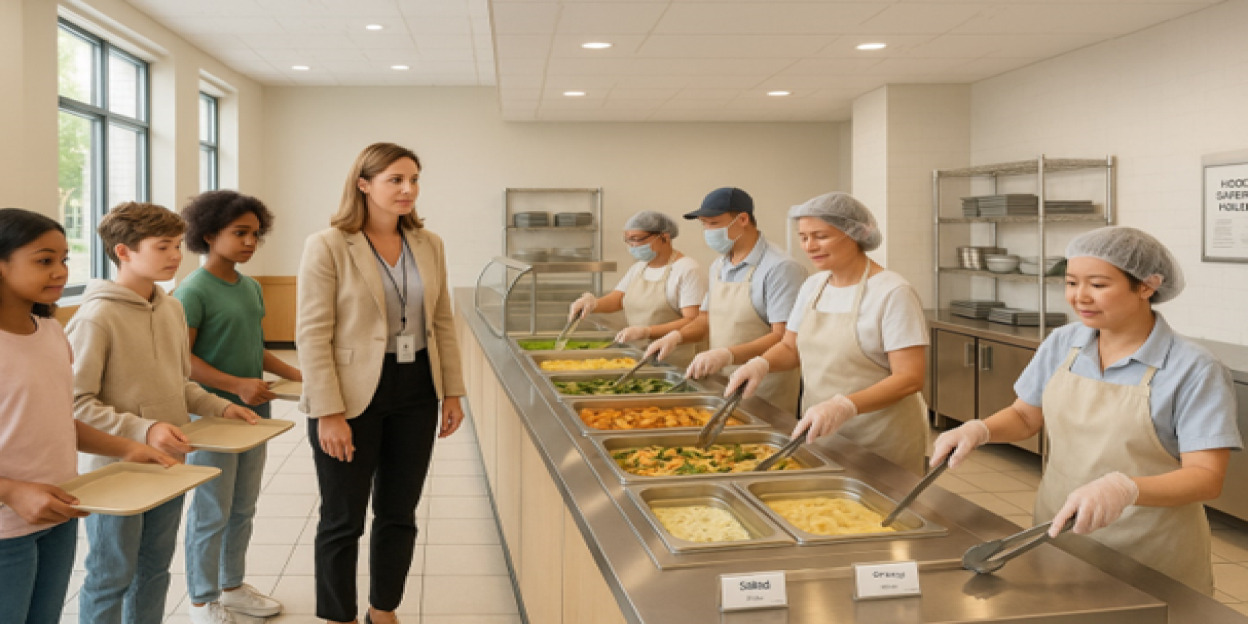
Second, strict hygiene practices must be standard for both kitchen staff and students. Staff should follow protocols for handwashing, glove use, hair restraints, and surface sanitization. Students should be guided to wash hands before eating, avoid sharing utensils or bottles, and keep eating areas clean.

Third, regular inspections help maintain discipline and accountability. Internal checklists and periodic external audits can verify that refrigerators are functioning, cleaning schedules are followed, and records of temperature logs and cleaning routines are maintained.

Fourth, accurate labeling and expiry monitoring are crucial. All stored food should be clearly marked with preparation and expiry dates. This prevents the accidental use of expired or doubtful items and reduces the chance of “forgotten” containers at the back of shelves.

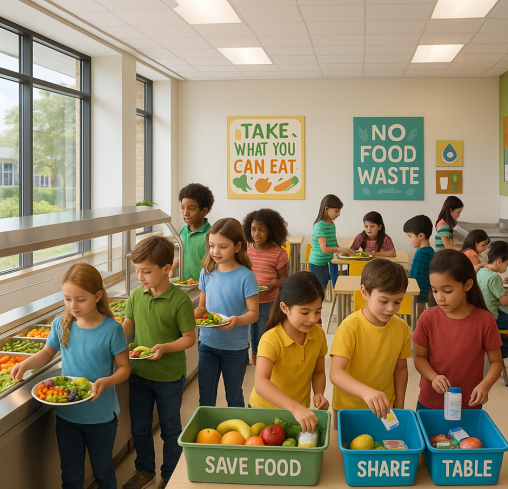
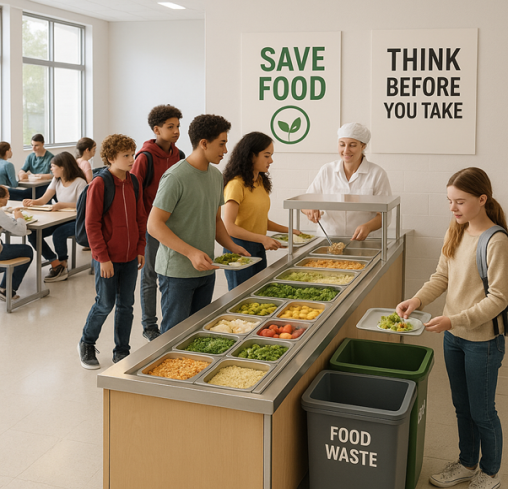
A structured Save Food Policy sits on top of these practices. It goes beyond safety to include planned purchasing, portion control, safe reuse of surplus, and responsible disposal. When food is managed systematically, the school minimizes health risks, reduces waste, and builds a culture of responsibility.

The security benefits are significant: healthy students are more attentive, less irritable, and more engaged in learning. Fewer illness-related absences lead to more stable classrooms and fewer emergency health incidents. Staff gain confidence that the school environment is safe, and parents feel reassured that their children are cared for in every aspect—including what they eat.

Incorporating food safety into the school’s overall security plan is not optional; it is a practical, preventive strategy. By adopting and implementing a clear Save Food Policy, schools can protect student health, support learning, and create a safer, more trustworthy environment for everyone on campus.

Prev Article
How Save Food Policies Help Schools Eat Healthier and Waste Less?
Next Article
How Schools Can Implement a Successful Save Food Policy

Related to this topic:

rocket-icon rocket-icon rocket-icon

Learn What Makes Schools Truly Safe

Receive safety guides, policy updates, and best practices from global experts.

We care about your Personnel Data. Please check Privacy Policy