ESC

What are you looking for?

ESC

What are you looking for?

Shopping cart

Your favorites

You have not yet added any recipe to your favorites list.

Browse recipes

Schedule your 15-minute demo now

We’ll tailor your demo to your immediate needs and answer all your questions. Get ready to see how it works!

0
0
×

School E-Shop

Storage Policies for Safer Emergencies

A school’s emergency plan is only as strong as its ability to act quickly. In a crisis—whether it’s a fire, earthquake, medical emergency, or lockdown—well‑organized storage can be the difference between confusion and calm. When emergency supplies are clearly stored, labeled, and maintained, staff can respond faster and more confidently.

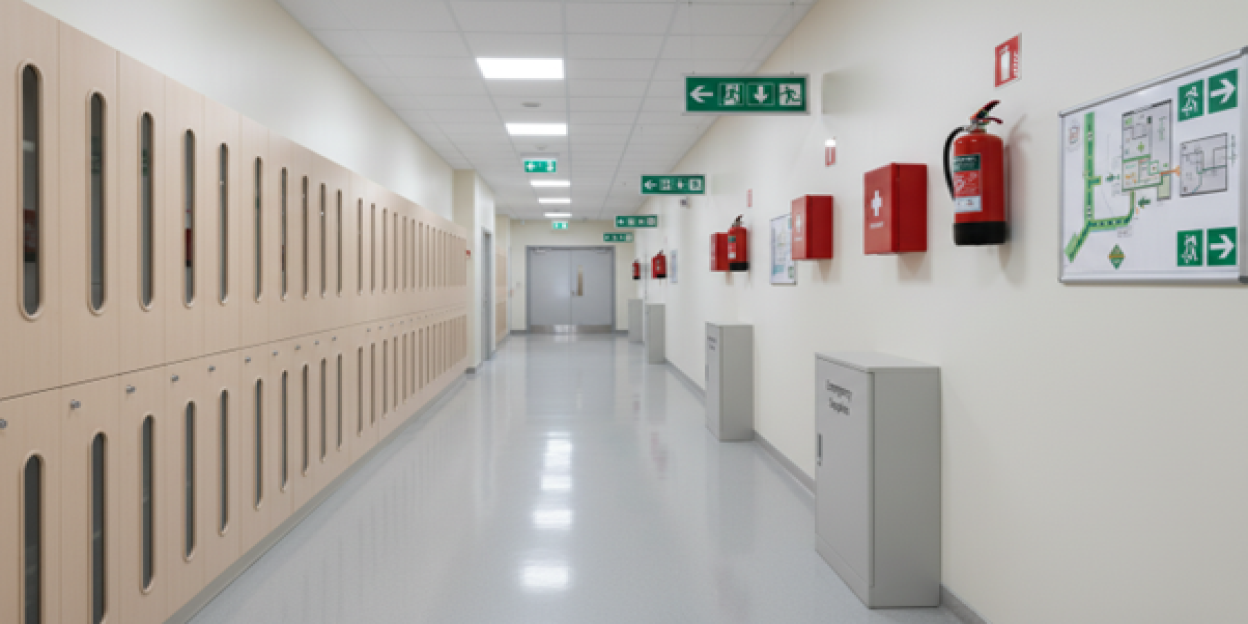
Proper storage policies ensure that essential items are not just present, but accessible and usable. First aid kits should be placed in visible, unlocked (yet supervised) locations such as the reception, staff room, Playground area, and corridors. Fire extinguishers, fire blankets, and other safety equipment must be installed near high‑risk areas like kitchens, laboratories, electrical rooms, and stages, with clear signage above eye level so they can be spotted quickly during an emergency.

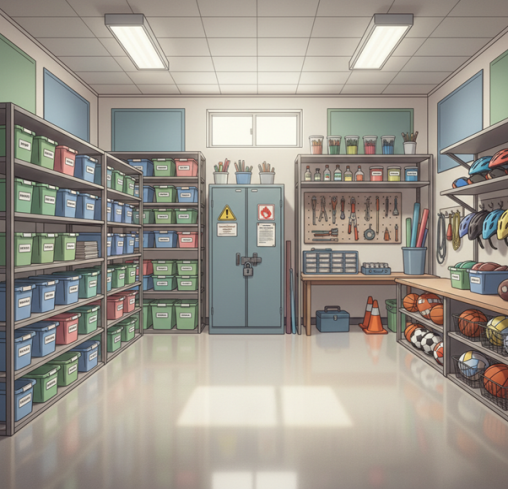
Emergency food and water supplies require special attention. They should be stored in cool, dry, pest‑free areas, clearly labeled as “Emergency Use Only,” with stock that is sealed, dated, and rotated before expiry. Schools can maintain centralized emergency storage rooms as well as smaller strategically located supply points (e.g., one per floor or per block) to ensure access if one area becomes unreachable.

Accessibility is a key principle. Storage areas for emergency supplies should be:

  • Clearly marked: Use consistent signs, colors, and symbols so even young students recognize them.
  • Unobstructed: Corridors, doors, and access to cabinets must be kept free from clutter, furniture, or boxes.
  • Known to everyone: Staff and age‑appropriately, students, should know the nearest first aid kit, fire extinguisher, and evacuation equipment.

Routine inspections are essential to keep storage reliable. Schools should establish a simple checklist and schedule (monthly or quarterly) to verify that:

  • First aid kits are fully stocked and items are within expiry.
  • Fire extinguishers are serviced and inspection tags are current.
  • Food, water, and batteries are within date and packaging is intact.
  • Cabinets, rooms, and lockers are locked/unlocked as per policy and free of non‑emergency clutter.

Training connects policies to practice. During staff orientations, drills, and refresher sessions, schools should walk staff through the locations of emergency storage, demonstrate how to use key items, and explain who is responsible for checks and replenishment. Older students can be taught basic awareness—where to find help and why these storage areas must not be tampered with.

By treating storage policies as a core part of emergency preparedness, schools build a safer, more resilient environment. Organized, accessible, and well‑maintained emergency supplies ensure that when every second counts, the right tools are always within reach. Schools and child care centers should review their storage policies regularly and make emergency readiness a visible, shared priority.

Prev Article
Safe Storage in Schools: Protecting Students from Hidden Hazards
Next Article
The Importance of a Complaint Handling Policy for School Safety

Related to this topic:

rocket-icon rocket-icon rocket-icon

Learn What Makes Schools Truly Safe

Receive safety guides, policy updates, and best practices from global experts.

We care about your Personnel Data. Please check Privacy Policy