ESC

What are you looking for?

ESC

What are you looking for?

Shopping cart

Your favorites

You have not yet added any recipe to your favorites list.

Browse recipes

Schedule your 15-minute demo now

We’ll tailor your demo to your immediate needs and answer all your questions. Get ready to see how it works!

0
0
×

School E-Shop

Implementing a School Save Food Policy

A Save Food Policy helps schools cut waste, lower costs, and teach students lifelong habits of responsibility and sustainability. To be successful, it must be more than a poster on the wall—it should be woven into daily school life, from the kitchen to the classroom.

1. Start with a Food Waste Assessment
Before making changes, schools should understand how much food is being wasted and why.

  • Conduct simple waste audits in the cafeteria over a week.
  • Weigh or visually estimate leftover food from plates and serving trays.
  • Identify patterns: Are portions too large? Are certain dishes always rejected?

This baseline data helps schools set realistic goals and measure improvement over time.

2. Engage Key Stakeholders Early
A Save Food Policy works best when everyone feels ownership.

  • Involve student councils, eco-clubs, and class representatives in brainstorming ideas.
  • Include teachers, kitchen staff, and maintenance staff in planning discussions.
  • Communicate with parents through circulars, newsletters, or parent meetings so home habits can support school efforts.

When students and adults co-create the policy, they are more likely to follow it.

3. Create Clear, Practical Guidelines
Guidelines should be simple, visible, and easy to follow:

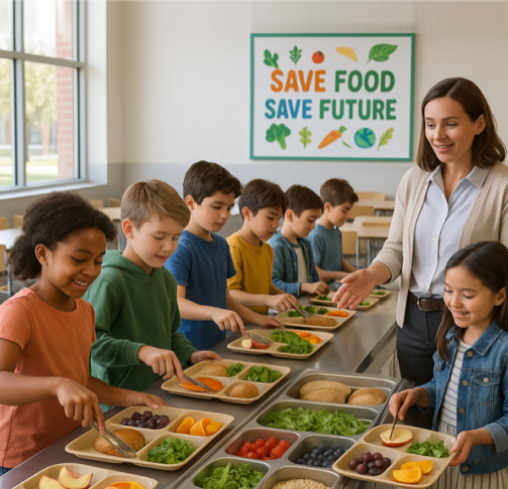
  • Portion control: Offer half and full portions, or tasting portions for new dishes.
  • Second servings: Allow second helpings only after students finish what they already took.
  • Storage and handling: Train staff on safe food storage so usable food is not thrown away unnecessarily.
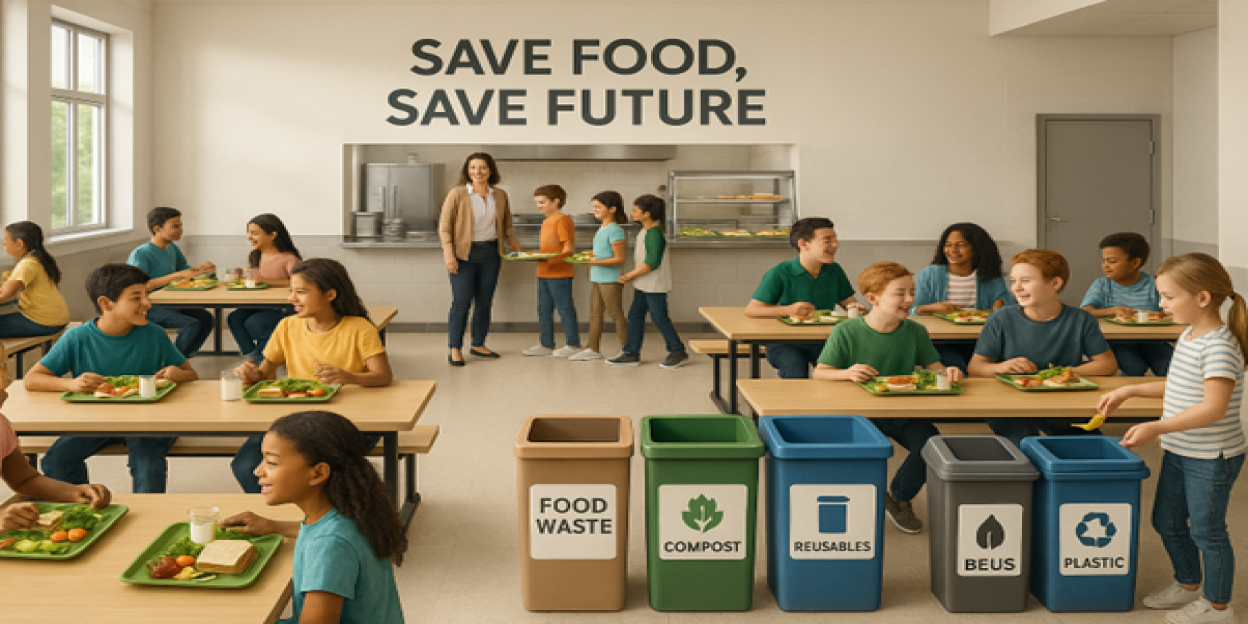
  • Waste segregation: Place clearly labeled bins for food waste, recyclables, and general trash.

Display these rules near serving areas and eating spaces so they become part of routine behavior.

4. Integrate Food Education into Learning
Policy becomes powerful when connected to learning.

  • Add short lessons on nutrition, hunger, and environmental impact of waste in science, social studies, or value education.
  • Use activities like “waste-free lunch days,” poster-making, or data charting from waste audits in math.
  • Invite local nutritionists or sustainability experts to speak to students.

Students are more motivated to act when they understand the “why” behind the rules.

5. Monitor, Celebrate, and Improve
Implementation is not a one-time effort.

  • Regularly review waste levels and share progress with students and staff.
  • Recognize classes or houses that consistently reduce food waste.
  • Adjust portions, menu variety, and communication strategies based on feedback.

To overcome resistance, schools can introduce reward programs, friendly competitions, or “Save Food Champions” among students.

Partnering with local food banks or community kitchens can also help redirect surplus safe food, reinforcing the message that food is a valuable resource, not something to be casually thrown away.

By planning carefully, involving the whole school community, and reviewing progress regularly, schools can build a strong Save Food culture that benefits students, budgets, and the planet.

Prev Article
The Hidden Link Between Food Safety and School Security
Next Article
The Long-Term Benefits of Save Food Policies in Schools

Related to this topic:

rocket-icon rocket-icon rocket-icon

Learn What Makes Schools Truly Safe

Receive safety guides, policy updates, and best practices from global experts.

We care about your Personnel Data. Please check Privacy Policy