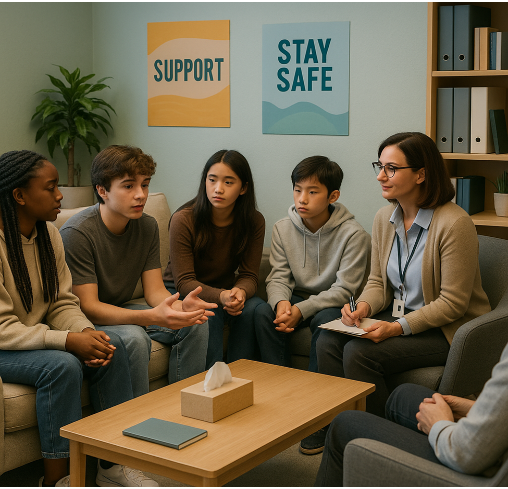
A strong Child Abuse Protection Policy
is one of the most important tools a school can have to keep students safe. It
sets clear expectations for everyone—leaders, staff, parents, and students—and
ensures that concerns are recognized early and handled correctly.
1. What Is a Child Protection Policy?
A Child Protection Policy is a written
commitment by the school to prevent, identify, and respond to any form of abuse
or neglect involving students.
It should:
- State the school’s zero-tolerance stance on abuse.
- Align with national safeguarding laws, child rights frameworks,
and local education regulations.
- Clearly define who the policy covers (students, staff,
volunteers, contractors, visitors).
This document becomes the foundation for
daily decisions, staff behavior, and how the school handles concerns.
2. Core Elements of the Policy
A robust policy should include:
- Clear definitions of abuse
Explain, in simple language, what constitutes:
- Physical abuse
- Emotional/psychological abuse
- Sexual abuse and exploitation
- Neglect and lack of supervision
- Bullying, cyberbullying, and online exploitation
- Staff roles and responsibilities
Specify what is expected from:
- All staff (duty to report, maintaining professional
boundaries)
- Designated Child Protection Officer/Safeguarding Lead
- School leadership and management
- Support staff, coaches, drivers, volunteers
- Reporting and response mechanisms
Outline:
- How and where concerns should be reported
- Timelines for reporting (e.g., immediately, within 24 hours)
- Confidentiality and documentation procedures
- How parents and external agencies will be involved
- Protection for whistleblowers and staff who report in good
faith
3. Training and Awareness Programs
Policies are effective only when people
understand and use them. Schools should:
- Provide regular training for all staff on recognizing signs of
abuse, responding to disclosures, and following reporting steps.
- Offer age-appropriate awareness sessions for students on body
safety, boundaries, safe/unsafe touch, trusted adults, and how to speak
up.
- Share clear information with parents about the school’s child
protection commitments.
4. Legal Obligations
The policy must reflect the school’s
legal responsibilities, including:
- Mandatory reporting duties where applicable
- Cooperation with child protection services, law enforcement,
and regulators
- Record-keeping requirements and data protection
- Alignment with international child rights conventions, where
relevant
This ensures the school acts lawfully
and protects both children and staff.
5. Building a Safe Environment
Beyond rules, the goal is a protective
culture:
- Respectful communication and positive discipline
- Safe recruitment and background checks for staff and volunteers
- Clear boundaries for physical contact and one-to-one
interactions
- Safe use of technology, social media, and cameras in school
When students feel heard, respected, and
included, they are more likely to speak up.
6. Policy Review and Updates
Child protection is not “write once and
forget.” The policy should be:
- Reviewed at least annually or after any serious incident
- Updated based on new laws, best practices, or lessons learned
- Shared again with staff and parents whenever changes are made
Every school should have a clear, living
Child Abuse Protection Policy—not just a document on a shelf. If your policy is
outdated, incomplete, or unclear, prioritize reviewing it now. A strong policy
today can prevent harm and protect children tomorrow.
Prev Article
Understanding Child Abuse and How Schools Can Help Keep Children Safe
Next Article
Empowering Educators to Identify and Prevent Child Abuse