ESC

What are you looking for?

ESC

What are you looking for?

Shopping cart

Your favorites

You have not yet added any recipe to your favorites list.

Browse recipes

Schedule your 15-minute demo now

We’ll tailor your demo to your immediate needs and answer all your questions. Get ready to see how it works!

0
0
×

School E-Shop

Child Abuse and School Safety

Child abuse is one of the most serious threats to a child’s safety, health, and future. It includes physical abuse (hitting, burning, or harming the body), emotional abuse (insults, humiliation, threats), sexual abuse (involving a child in sexual activities), and neglect (failing to provide basic care, supervision, or affection).

These experiences do not stay “outside” the school gate. Children carry the impact into classrooms, Playgrounds, and buses—directly affecting school safety, learning, and overall climate.

Abused children may show visible injuries, frequent “accidents,” or chronic health issues. Equally damaging, though less visible, are emotional and psychological effects such as anxiety, depression, fearfulness, withdrawal, or sudden aggression. Many struggle to focus in class, show falling grades, absenteeism, or a loss of interest in activities they once enjoyed. They may also have difficulty trusting adults or forming healthy friendships.

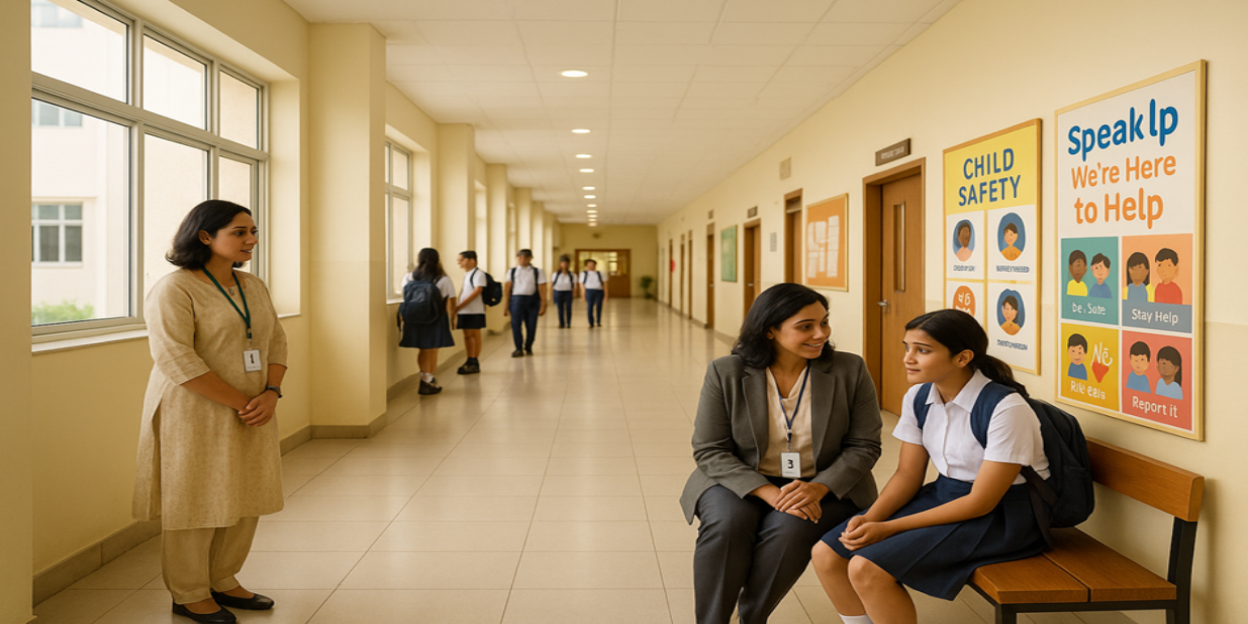
Because children spend a large part of their day at school, educators are in a unique position to recognize and respond to these warning signs early. A safe school is not only about CCTV cameras and secure gates; it also means emotionally safe spaces where every child is seen, heard, and protected.

Schools can strengthen child safety by training all staff—teachers, support staff, transport staff, and administrators—to notice red flags: unexplained injuries, drastic behavior changes, extreme fear of going home, inappropriate sexualized behavior, or consistent neglect in hygiene and nutrition. Staff should know exactly whom to approach and how to document and report concerns according to law and school policy.

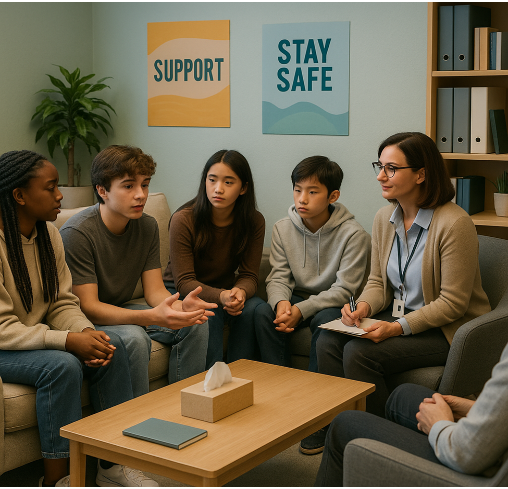
Building trust is equally important. When children feel heard and respected, they are more likely to disclose unsafe situations. Age-appropriate lessons on body safety, safe and unsafe touch, boundaries, and the right to say “no” help children recognise abuse and seek help. Schools should also offer access to counsellors or trusted safety officers who are visibly introduced to students.

Parents and caregivers are key partners. Regular workshops can help them recognise signs of abuse, understand positive discipline, and strengthen healthy, non-violent relationships at home. Clear communication from the school reinforces that child protection is a shared responsibility, not a matter of blame.

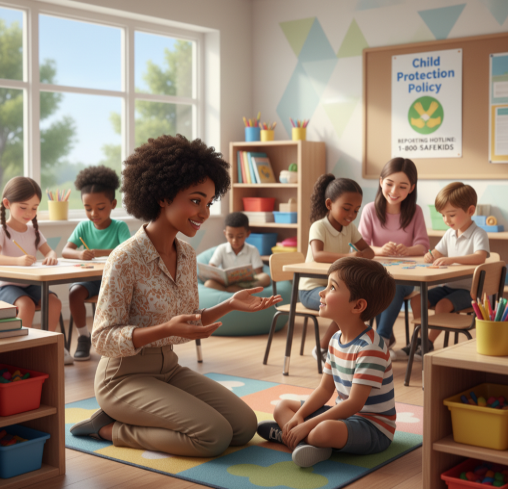
Strong child protection policies turn good intentions into action. Schools should have written procedures for reporting concerns, maintaining confidentiality, and collaborating with child protection services and law enforcement where required. Regular safety audits, designated child protection officers, and ongoing awareness campaigns keep these policies alive and practical, not just documents on a shelf.

Protecting children from abuse is more than a legal obligation—it is a moral commitment to their safety, dignity, and potential. When schools proactively recognise, respond to, and prevent abuse, they not only safeguard individual children but also create a culture where safety, trust, and respect are the foundation of learning.

Review your school’s child protection policy, staff training, and reporting systems today. One timely action could change a child’s life.

Prev Article
The Role of Technology in Earthquake Preparedness for Schools
Next Article
Essential Components of a Child Abuse Protection Policy in Schools

Related to this topic:

rocket-icon rocket-icon rocket-icon

Learn What Makes Schools Truly Safe

Receive safety guides, policy updates, and best practices from global experts.

We care about your Personnel Data. Please check Privacy Policy