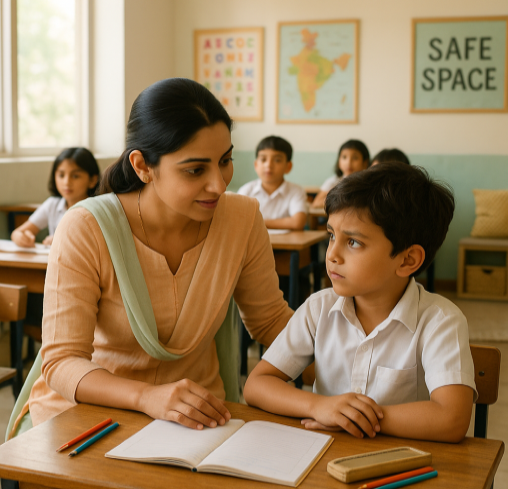
Teachers and school staff interact with
children every day, placing them in a unique position to notice when something
isn’t right. Empowering educators to recognize and respond to child abuse is
one of the most effective ways to protect children and break cycles of harm.
Recognizing Signs of Abuse
Abuse does not always leave visible marks.
Educators should watch for a combination of signs over time rather than a
single incident.
- Behavioral signs: Sudden
withdrawal, extreme clinginess, aggressive outbursts, age-inappropriate
sexualized behavior, fear of going home, drastic changes in academic
performance, or frequent absences.
- Physical signs: Unexplained
injuries, frequent bruises or burns, wearing long sleeves in hot weather
to hide marks, poor hygiene, or signs of neglect (constant hunger,
fatigue, unsuitable clothing).
- Emotional signs: Low self-esteem,
excessive guilt, anxiety, depression, hyper-vigilance, or appearing overly
compliant and eager to please adults.
Any one sign alone may not confirm abuse,
but patterns should raise concern.
The Educator’s Role
Educators serve as trusted adults and
advocates. By building predictable routines, showing respect, and listening
without judgment, they create a safe space where children feel seen and heard.
Simple actions—learning students’ names, checking in when behavior changes, and
giving positive attention—can open the door for a child to seek help.
Preventive Measures in the Curriculum
Protection also means prevention. Schools
can:
- Integrate age-appropriate lessons on body safety, consent,
and boundaries.
- Teach children the difference between safe and unsafe
secrets.
- Use stories, role play, and visuals to practice saying “no,”
walking away, and telling a safe adult.
- Include digital safety topics to address online grooming and
exploitation.
These lessons should be repeated regularly,
not just once a year.
Responding to Disclosures
When a child shares something concerning:
- Stay calm and listen. Avoid shock
or disbelief.
- Believe and validate. Use phrases
like, “You did the right thing by telling me.”
- Do not interrogate. Ask only open,
minimal questions needed to understand immediate safety: “Can you tell me
more about that?”
- Avoid promises you can’t keep.
Never promise secrecy; explain that you may need to share with people who
can help.
- Document accurately what was said,
using the child’s own words, as soon as possible.
Collaboration and Reporting
Educators must follow their school’s safeguarding
and mandatory reporting procedures. This includes:
- Knowing who the designated safeguarding or child protection
lead is.
- Reporting concerns promptly, even if they feel “small.”
- Cooperating with child protection services, law enforcement,
and counselors as required by local laws and school policies.
The goal is not to investigate, but to ensure
the child’s safety by alerting the right authorities.
Continuous Learning
Child protection is a specialized area.
Schools should:
- Provide regular training and refresher workshops on
recognizing signs of abuse, legally compliant reporting, and
trauma-sensitive communication.
- Offer case discussions and scenario-based drills to build staff
confidence.
- Encourage all staff—teachers, aides, transport, housekeeping—to
know their role in safeguarding.
When educators are informed, confident, and
supported by clear policies, schools become powerful protective environments
where children are safer, heard, and believed.
Prev Article
Essential Components of a Child Abuse Protection Policy in Schools
Next Article
Creating Safe Schools Through Effective Abuse Reporting Systems