School washrooms are often “blind spots” on
campus—places where supervision is limited and students may feel vulnerable.
Because of this, bullying and harassment can easily occur here if schools don’t
plan proactively. By combining smart supervision, thoughtful design, clear
policies, and student awareness, washrooms can become safer, more respectful
spaces.
Understanding the Types of Bullying in
Washrooms
Bullying in washrooms is not always loud or
obvious. It can include:
- Physical bullying: Pushing,
shoving, blocking the doorway, trapping students in stalls, or damaging
their belongings.
- Verbal bullying: Name-calling, body
shaming, mocking appearance or hygiene, and making threats.
- Cyberbullying: Secretly recording
videos or photos and sharing them online to shame or embarrass a student.
- Sexual harassment: Unwanted
comments about bodies, gender, or appearance, invading personal space, or
making suggestive remarks.
Recognizing these behaviors is the first
step to preventing them.
1. Supervised Entry and Exit Times
Without turning washrooms into constantly
monitored zones, schools can:
- Limit unsupervised group visits during high-risk times (start
of school, breaks, after lunch).
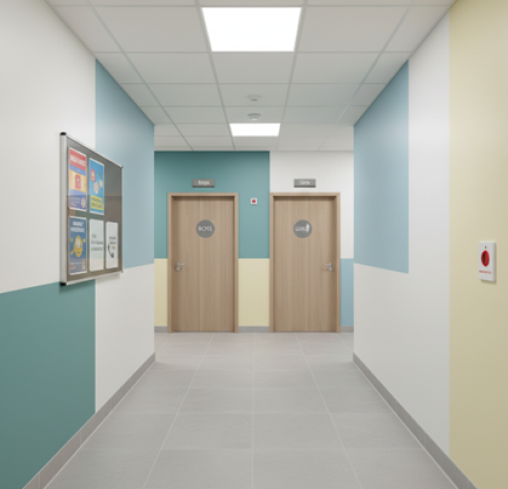
- Assign staff to casually monitor corridors leading to washrooms
and track usage patterns.
- Use short, rotating supervision schedules so staff presence
feels normal, not punitive.
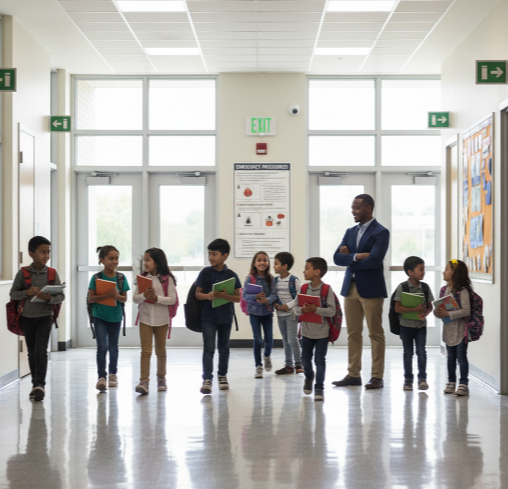
A visible adult presence near washrooms can
significantly reduce bullying opportunities.
2. Washroom Design Improvements
Design can support safety while respecting
privacy:
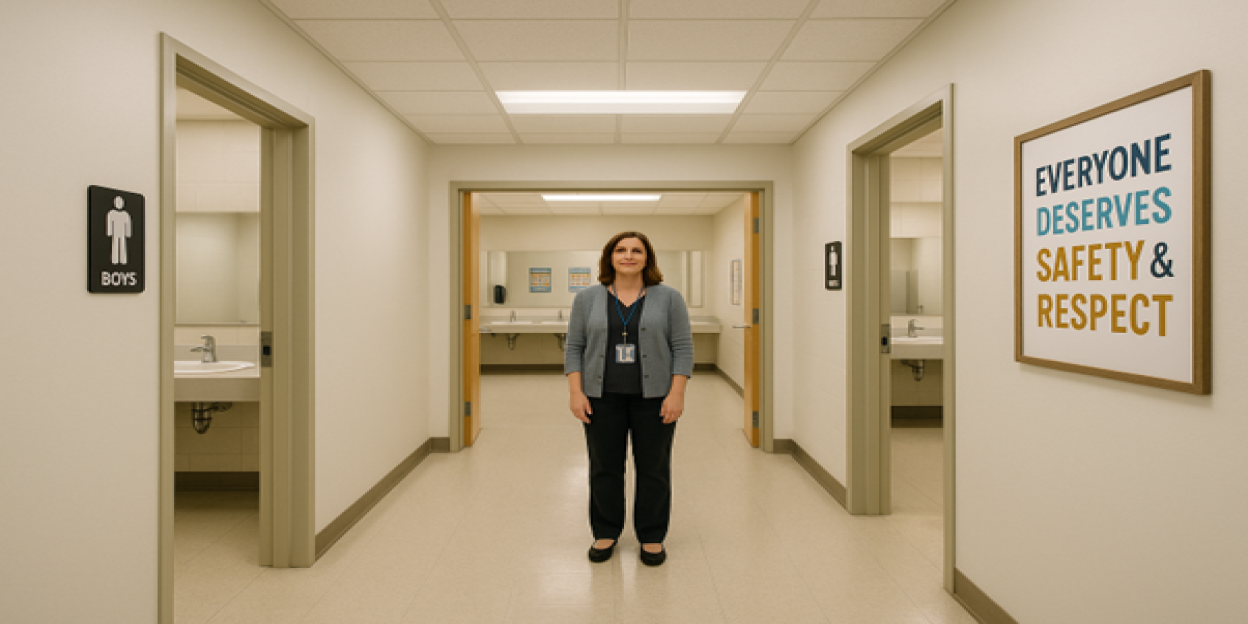
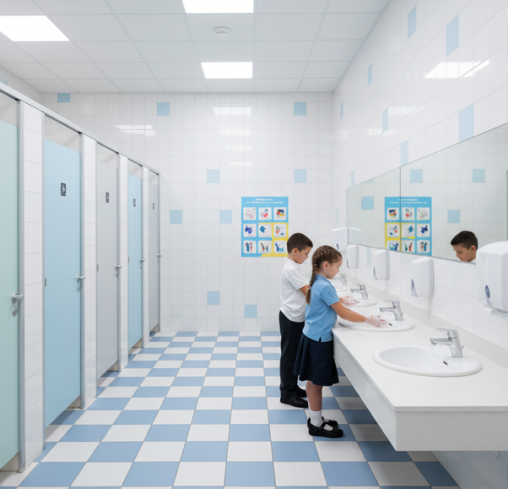
- Place open sink areas just outside the stalls or
partially visible from the corridor.
- Use doors and partitions that protect privacy but avoid hidden
corners.
- Ensure good lighting, clean surfaces, and clear signage about
behavior expectations.
For example, some schools in Japan use open
sink concepts outside washrooms, which has helped reduce hidden bullying and
increased student comfort.
3. Anonymous Reporting Systems
Many students stay silent out of fear of
retaliation. Schools can:
- Set up digital reporting tools (QR codes, web forms,
apps).
- Place physical anonymous boxes near the washrooms or in
common areas.
- Offer a simple hotline or designated email for bullying
concerns.
The key is to respond quickly and
consistently so students trust the system.
4. Clear Discipline and Restorative
Responses
Policies must be:
- Clearly written in the student handbook, including
specific references to washroom bullying and harassment.
- Paired with restorative justice programs that help
students understand the harm caused, repair relationships, and rebuild
trust where possible.
Firm, fair consequences combined with
education are more effective than punishment alone.
5. Education and Awareness Programs
Culture change is the long-term solution:
- Run anti-bullying campaigns, role-plays, and workshops
that address washroom scenarios.
- Promote peer mentorship or student ambassadors who model
positive behavior and offer support. One U.S. school with peer monitoring
reported about a 30% reduction in bullying cases.
- Reinforce messages of respect, inclusion, and body privacy in
assemblies and classroom discussions.
Moving Forward
Preventing bullying in school washrooms is
not about constant surveillance—it’s about smart supervision, thoughtful
design, clear policies, and student voice. When schools act intentionally,
washrooms can shift from being high-risk spaces to safe, respectful
environments where every child feels protected.
Schools, leaders, and parents should work
together now: review washroom layouts, update policies, listen to student
feedback, and make safety in these “hidden” spaces a visible priority.
Prev Article
Developing and Implementing an Effective School Washroom Safety Policy
Next Article
Ensuring Hygiene and Sanitation in School Washrooms