ESC

What are you looking for?

ESC

What are you looking for?

Shopping cart

Your favorites

You have not yet added any recipe to your favorites list.

Browse recipes

Schedule your 15-minute demo now

We’ll tailor your demo to your immediate needs and answer all your questions. Get ready to see how it works!

0
0
×

School E-Shop

Safe and Secure School Hostels

Providing hostel accommodation is a big responsibility for schools. Once students leave the classroom and move into residential spaces, the school becomes not just an educator, but a guardian. A safe, secure, and well-managed hostel helps students feel at home, stay focused on learning, and build healthy relationships with peers and staff.

Key Safety Challenges in School Hostels

School hostels often face specific safety and security risks, such as:

  • Unauthorized access by outsiders or visitors without proper checks
  • Bullying, harassment, or peer pressure in shared living spaces
  • Health emergencies at night or during weekends
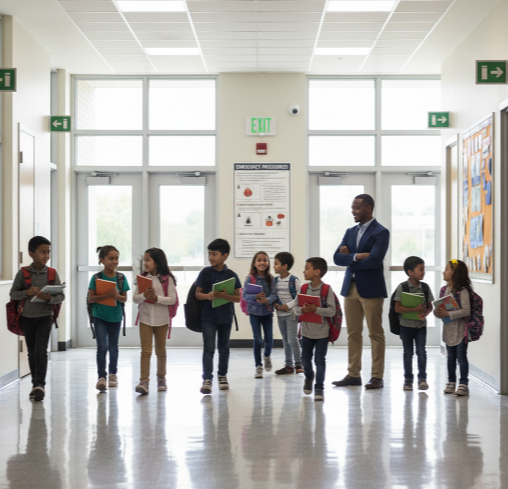
  • Fire hazards and evacuation difficulties
  • Supervision gaps, especially with older students seeking independence

These challenges require a structured, proactive approach rather than reactive responses after an incident.

Core Elements of a Safe Hostel Environment

A strong hostel safety policy should address both physical security and student well-being:

  1. Physical Security Measures
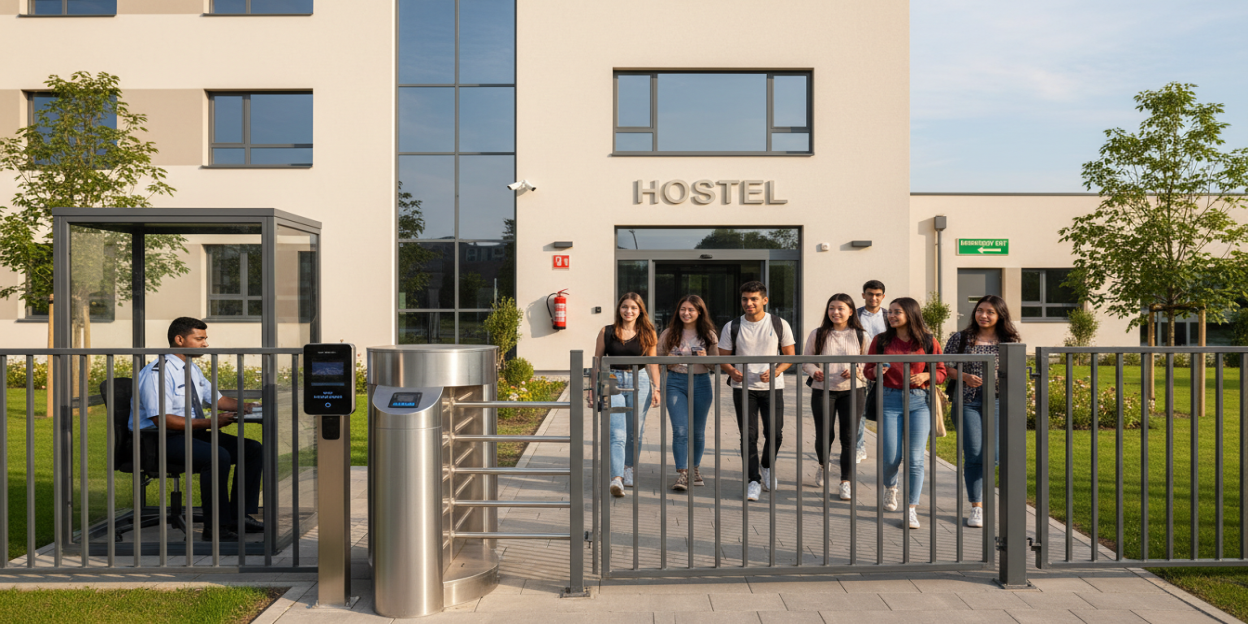
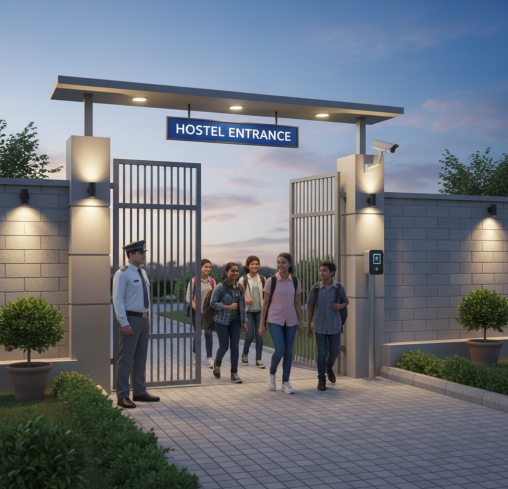
    • Controlled entry and exit points with guards or wardens on duty
    • CCTV coverage in common areas (not in bedrooms or bathrooms)
    • Adequate lighting in corridors, staircases, outdoor paths, and hostel surroundings
    • Visitor registration and time-bound entry protocols
  2. Trained Staff and Clear Protocols
    • Wardens, security staff, and caregivers trained in basic first aid, emergency response, and child protection
    • Clear written procedures for medical emergencies, fire, missing students, and conflicts
    • Night duty roster with documented handovers between shifts
  3. Supportive Hostel Culture
    • Structured mentorship programs where senior students or hostel leaders support younger residents
    • Regular interactions between hostel staff and students to build trust
    • Anonymous channels (drop box, digital form, or hotline) to report bullying or safety concerns

Practical Actions Schools Can Take

Schools can strengthen hostel safety by:

  • Implementing ID-based entry systems and access logs
  • Conducting periodic fire and evacuation drills during school hours and hostel hours
  • Establishing a clear reporting mechanism for students and parents for any safety concern
  • Regularly orienting students on hostel rules, emergency contacts, and safe behavior
  • Training students in conflict resolution, respect for diversity, and anti-bullying norms

Impact of Robust Hostel Safety

When hostels are well-managed and secure, schools see:

  • Fewer incidents of bullying, theft, or unauthorized visitors
  • Higher student confidence, sense of belonging, and emotional security
  • Better focus on academics, participation in activities, and overall well-being

Hostel safety is not a one-time checklist but a continuous process. Schools should regularly review their hostel policies, update infrastructure, and engage students and parents in conversations about safety. A comprehensive, living policy ensures that school hostels remain secure, inclusive, and truly student-friendly.

School leaders and hostel administrators should review their current hostel safety measures, identify gaps, and start upgrading policies, infrastructure, and training today—because a safe hostel is the foundation of a strong learning community.

Prev Article
Educating Students on Playground Safety Turning Play into Safe Play
Next Article
The Role of Security Policies in Safe and Secure School Hostels

Related to this topic:

rocket-icon rocket-icon rocket-icon

Learn What Makes Schools Truly Safe

Receive safety guides, policy updates, and best practices from global experts.

We care about your Personnel Data. Please check Privacy Policy