ESC

What are you looking for?

ESC

What are you looking for?

Shopping cart

Your favorites

You have not yet added any recipe to your favorites list.

Browse recipes

Schedule your 15-minute demo now

We’ll tailor your demo to your immediate needs and answer all your questions. Get ready to see how it works!

0
0
×

School E-Shop

Teaching Kids Smart Playground Habits

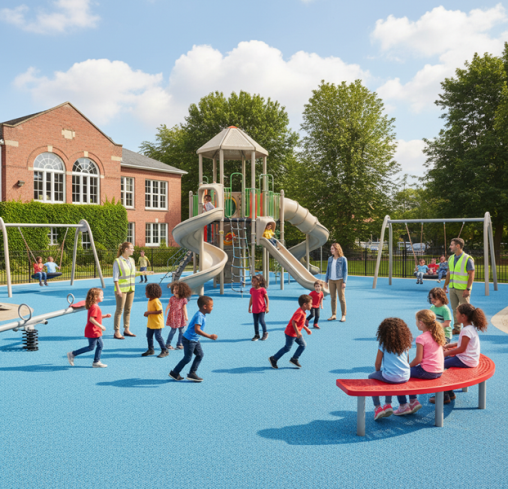
Playgrounds should be places of joy, not preventable injuries. While safe equipment and supervision are essential, one of the most powerful safety tools is an informed student. When children understand how to use the Playground responsibly, they become active partners in keeping themselves and their friends safe.

Educating students on Playground safety doesn’t have to be boring. With the right approach, schools can turn safety lessons into engaging, age-appropriate learning experiences.

Key Topics Students Should Learn

  1. Proper Equipment Use
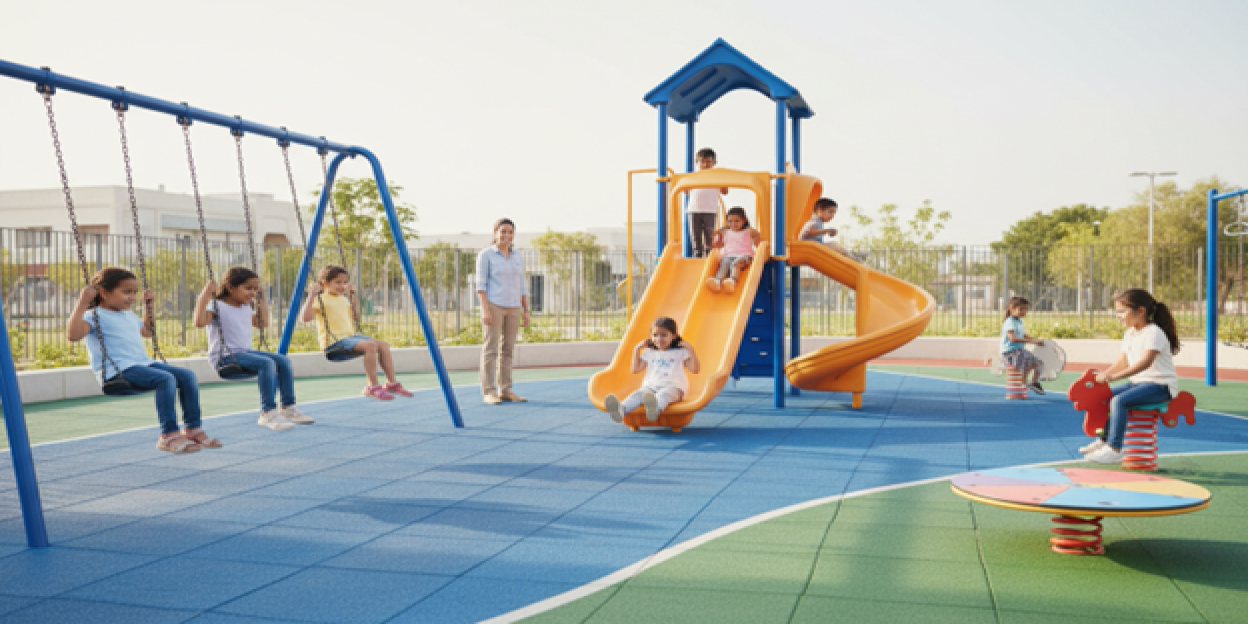
    Children need clear, simple guidance on how to use swings, slides, climbers, and other structures:
    • Sit when using swings and hold on with both hands.
    • Go down slides feet first, one child at a time.
    • Use ladders and climbing frames carefully—no jumping from the top.

Demonstrations and practice sessions help children connect rules to real actions.

  1. Respect for Rules
    Rules like “no pushing,” “no rough play,” or “no climbing on railings” should be explained with the why, not just the what:
    • Pushing can cause falls and head injuries.
    • Standing on swings or climbing outside marked areas can lead to serious accidents.

When children understand the reason behind rules, they’re more likely to follow them.

  1. Awareness of Others
    Safety is a shared responsibility:
    • Wait your turn to avoid overcrowding on equipment.
    • Look around before running or jumping.
    • Share equipment and include others to prevent conflicts and unsafe behavior.

This builds empathy and a cooperative Playground culture.

Effective Strategies for Teaching Playground Safety

  • Interactive Workshops
    Short, fun workshops with games, role-play, and “safe vs unsafe” scenarios help children practice what they learn. Let them act out both unsafe and safe behaviors, then discuss the difference.
  • Visual Aids Around the School
    Posters, simple diagrams, and child-friendly icons placed in classrooms and near Playground entrances serve as daily visual reminders.
  • Integrate Safety into the Curriculum
    For younger students, use stories, puppets, songs, and short videos to teach rules. For older students, discussions, quick quizzes, or peer-led talks can be effective.

Benefits for Schools and Students

When students are educated about Playground safety:

  • They begin to take ownership of their behavior.
  • Supervisors can focus on guidance rather than constant correction.
  • A collaborative environment develops, where students naturally remind each other of safe choices.

With consistent, positive safety education, schools can build lifelong habits that keep Playgrounds joyful, inclusive, and secure for every child.

Prev Article
The Silent Lifeguards: How Supervision Keeps School Playgrounds Safe
Next Article
Ensuring Safety and Security in School Accommodation Hostels

Related to this topic:

rocket-icon rocket-icon rocket-icon

Learn What Makes Schools Truly Safe

Receive safety guides, policy updates, and best practices from global experts.

We care about your Personnel Data. Please check Privacy Policy