ESC

What are you looking for?

ESC

What are you looking for?

Shopping cart

Your favorites

You have not yet added any recipe to your favorites list.

Browse recipes

Schedule your 15-minute demo now

We’ll tailor your demo to your immediate needs and answer all your questions. Get ready to see how it works!

0
0
×

School E-Shop

Why Every School Needs This Policy

Ensuring student safety is one of the most critical responsibilities of any school. A Missing Student Policy is not just another document for the handbook—it is a practical, life-saving framework that guides every adult on campus when a child cannot be located. In those first few minutes, clarity and preparation can make all the difference.

A strong Missing Student Policy starts with staff awareness. Every adult in the building—teachers, support staff, guards, bus staff, and office teams—should know exactly what to do if a student is reported missing. This includes immediate roll calls, checking attendance registers, confirming last known locations, and quickly verifying whether the child is on campus, has gone home, or is genuinely unaccounted for. Regular drills and brief refreshers during staff meetings keep these steps top of mind.

Coordination with law enforcement is another essential pillar. Schools should maintain updated student and staff lists that can be shared instantly with authorities when needed. Quick access to student photographs, emergency contacts, health conditions, and transport details helps police act without delay. Simple technological tools—such as digital attendance systems, student ID cards, and visitor management software—can significantly speed up information sharing and tracking.

Parental communication must be clearly defined in the policy. When a student is missing, parents or guardians should be informed promptly, calmly, and accurately. Having designated spokespersons, approved message templates, and clear channels (phone, SMS, email) prevents confusion and panic. Involving parents in awareness sessions and safety drills builds trust and ensures they understand how the school will respond in a crisis.

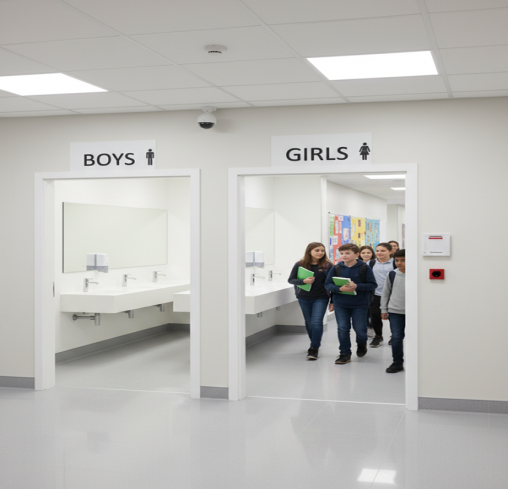
Prevention is just as important as response. A good policy includes measures such as controlled entry and exit points, monitored gates, functional CCTV coverage, and supervision in high-risk areas like Playgrounds, restrooms, staircases, and parking lots. Teaching students about personal safety, staying with groups, and reporting anything unusual strengthens peer accountability and makes the school safer overall.

Finally, the policy should address what happens after an incident. Even when a missing student is found safely, the experience can be traumatic. Providing counseling and psychological support to the student, classmates, staff, and family helps restore a sense of security. A structured debrief—what went well, what needs improvement—ensures the school learns from the incident and strengthens its procedures.

By adopting and regularly reviewing a detailed Missing Student Policy, schools send a clear message: student safety is non-negotiable. This proactive approach builds confidence among families, empowers staff, and creates a school environment where children can focus on learning—because the adults are prepared to protect them when it matters most.

Prev Article
Technology and Innovation in School Washroom Safety
Next Article
Key Components of an Effective Missing Student Policy

Related to this topic:

rocket-icon rocket-icon rocket-icon

Learn What Makes Schools Truly Safe

Receive safety guides, policy updates, and best practices from global experts.

We care about your Personnel Data. Please check Privacy Policy