ESC

What are you looking for?

ESC

What are you looking for?

Shopping cart

Your favorites

You have not yet added any recipe to your favorites list.

Browse recipes

Schedule your 15-minute demo now

We’ll tailor your demo to your immediate needs and answer all your questions. Get ready to see how it works!

0
0
×

School E-Shop

Psychometric Testing: Rights, Risks, Responsibility

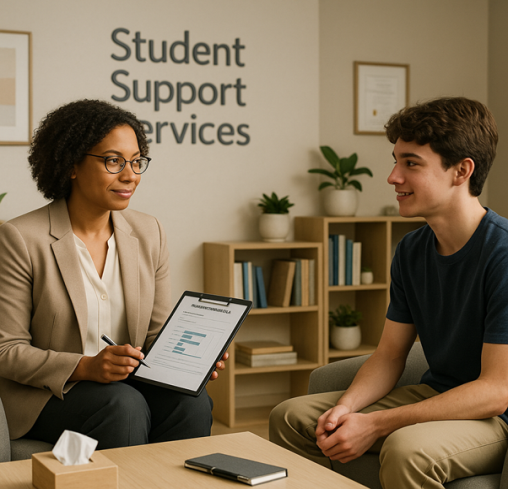
Psychometric testing is increasingly used in schools to identify learning needs, support mental health, and prevent safety risks. While these tools can be powerful, they also raise serious ethical and legal questions—especially around privacy, consent, and how the data is used.

Data Privacy and Student Rights

Psychometric assessments generate sensitive information about a student’s behavior, emotions, and cognitive profile. Legally and ethically, this data must be treated as confidential. Schools must follow national and local data protection laws (such as data privacy, child protection, and education regulations) to ensure:

  • Information is securely stored and accessed only by authorized staff
  • Data is not shared with third parties without proper consent
  • Students are not stigmatized, labeled, or discriminated against based on test results

Students and parents have a right to know what is being collected, why, for how long, and who can see it.

Legal Frameworks and Consent

Regulations differ by country, but common legal expectations include:

  • Clear policies governing psychometric testing in schools
  • Compliance with child protection and privacy laws
  • Proper documentation of consent and data handling

Ethically, informed parental consent is non‑negotiable. Parents should receive easy-to-understand explanations about:

  • The purpose of the test
  • How results will be used
  • Possible risks and limitations
  • What support will be offered after testing

Older students should also be involved in age‑appropriate discussions about their own assessments.

Balancing Safety with Ethics

Many schools introduce psychometric tools to flag early signs of distress, bullying, self‑harm, or violence risk. While this supports safety, misuse can harm student dignity and trust. Over-testing, misinterpretation of scores, or using results as disciplinary tools can lead to legal challenges and reputational damage.

Real-world case studies show that schools have faced lawsuits and policy changes when testing was done:

  • Without clear consent
  • With poor data security
  • Or when results were used punitively rather than supportively

Ethical Implementation: Practical Guidelines

To reduce risk and increase trust, schools should:

  • Obtain informed consent from parents (and assent from students where appropriate)
  • Ensure test accuracy and reliability by using validated tools appropriate for age and culture
  • Train staff on ethical use and data handling—not just how to administer tests
  • Provide clear follow‑up support, such as counseling, referrals, and structured interventions
  • Document policies covering storage, sharing, retention, and deletion of assessment data

Psychologists and legal experts consistently recommend transparency, responsible data usage, and integrating assessments with counseling—not using tests in isolation.

Looking Ahead: Future Regulations

Future rules are likely to tighten around:

  • Stronger data protection and cybersecurity
  • Ethical integration of AI‑based assessments
  • Standardization and oversight of school‑based psychological testing

For school leaders and early childhood centers, the message is clear: psychometric testing can support safety and well‑being—but only when it is grounded in ethics, law, and a genuine commitment to protecting every child’s rights.

Prev Article
Psychometric Testing: A Preventive Shield Against School Violence
Next Article
Establishing Effective E Safety Policies in Schools

Related to this topic:

rocket-icon rocket-icon rocket-icon

Learn What Makes Schools Truly Safe

Receive safety guides, policy updates, and best practices from global experts.

We care about your Personnel Data. Please check Privacy Policy