ESC

What are you looking for?

ESC

What are you looking for?

Shopping cart

Your favorites

You have not yet added any recipe to your favorites list.

Browse recipes

Schedule your 15-minute demo now

We’ll tailor your demo to your immediate needs and answer all your questions. Get ready to see how it works!

0
0
×

School E-Shop

Why Peer Medication Policies Matter

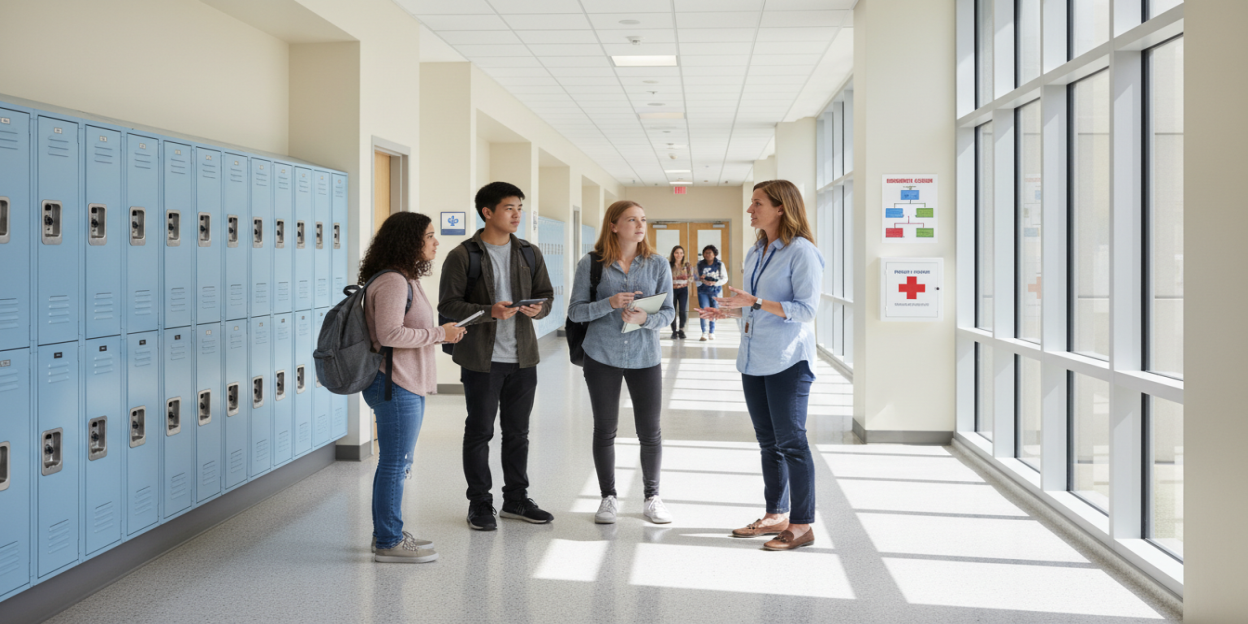
Peer Medication Policies (PMPs) are an emerging best practice in schools that sit at the intersection of health, safety, and student well-being. When thoughtfully designed and implemented, they help schools create a structured, safe, and supportive environment for students who rely on medication during the school day.

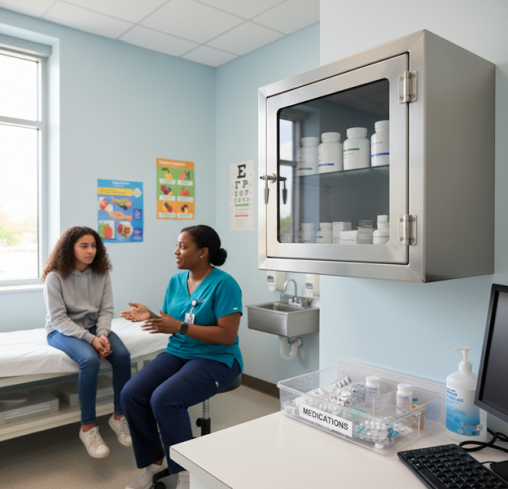
At the core of any PMP is enhanced student safety. Clear rules around how medication is stored and administered significantly reduce risk. Secure storage—such as locked cabinets or a dedicated medication room—protects against misuse, loss, or accidental ingestion. Standardized administration protocols ensure that medication is given to the right student, in the right dose, at the right time. This consistency helps schools avoid dangerous errors and builds trust with families.

Another powerful advantage of PMPs is empowerment through education. When students and staff receive training on medication safety, the culture shifts from “only the nurse’s job” to a shared responsibility. Age-appropriate workshops, demonstrations, and simple visuals can help students understand why protocols exist and how to follow them. This not only promotes safer behavior but also encourages responsibility, empathy, and respect for peers managing health conditions.

PMPs are particularly beneficial for students with chronic conditions such as asthma, diabetes, epilepsy, or severe allergies. A clear policy provides reassurance that their health needs are understood and supported throughout the school day. Knowing that there are defined procedures, trained adults, and in some cases supervised peers, allows these students to focus more on learning and participation rather than on anxiety about their condition.

A well-designed PMP also strengthens emergency readiness. Medical situations in schools can escalate within minutes, and delays in response can be critical. PMPs typically outline step-by-step actions for common emergencies, including when and how to administer epinephrine for anaphylaxis or inhalers for asthma attacks. By training designated staff and, where appropriate, peers under supervision, schools can shorten response times and improve outcomes in high-pressure moments.

However, the success of Peer Medication Policies depends heavily on execution. Schools must invest in:

  • Proper training for staff and, where appropriate, student leaders
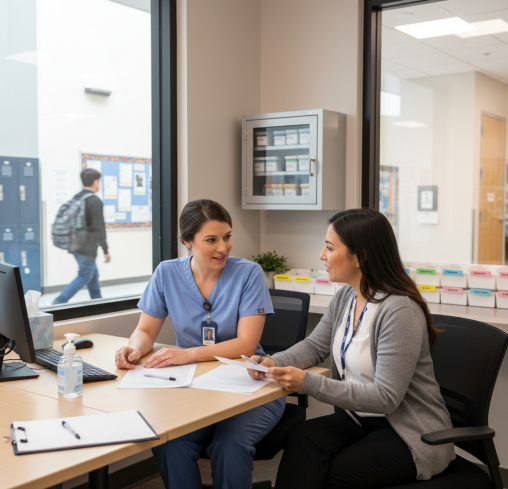
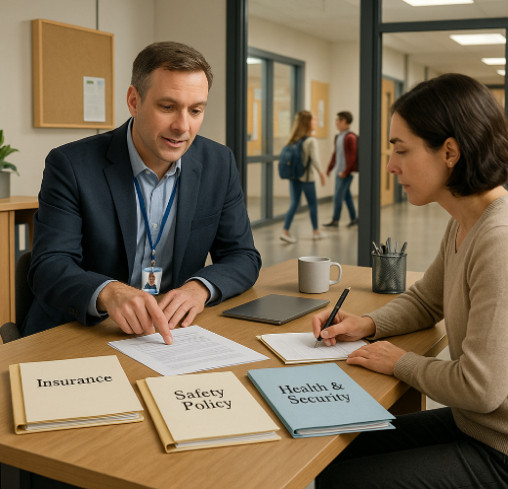
  • Clear documentation and communication with parents and healthcare providers
  • Adequate storage, labeling, and record-keeping systems
  • Regular review and updates of procedures

When these elements are in place, PMPs do more than manage medication—they build a safer, more informed, and more inclusive school community.

Prev Article
Understanding Peer Medication Policies in Schools
Next Article
Overcoming Challenges in Implementing Peer Medication Policies in Schools

Related to this topic:

rocket-icon rocket-icon rocket-icon

Learn What Makes Schools Truly Safe

Receive safety guides, policy updates, and best practices from global experts.

We care about your Personnel Data. Please check Privacy Policy