ESC

What are you looking for?

ESC

What are you looking for?

Shopping cart

Your favorites

You have not yet added any recipe to your favorites list.

Browse recipes

Schedule your 15-minute demo now

We’ll tailor your demo to your immediate needs and answer all your questions. Get ready to see how it works!

0
0
×

School E-Shop

Peer Medication Policy Essentials

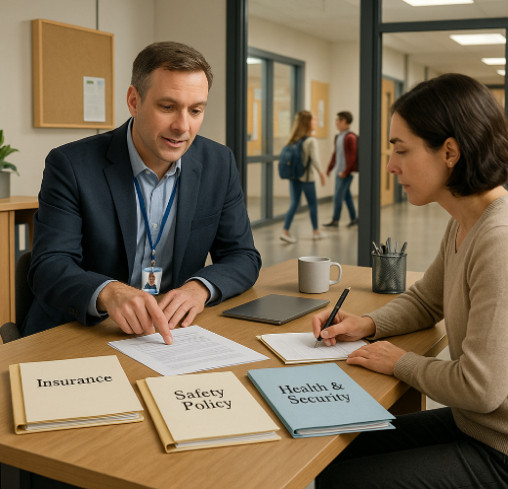
Schools are not just places of learning—they are also daily health environments for children. Many students rely on regular or emergency medication during school hours, and managing this safely is critical. A Peer Medication Policy (PMP) helps schools create a clear, structured approach to medication use, ensuring safety, accountability, and inclusion.

A Peer Medication Policy defines how student medications are handled, stored, and administered on campus. It sets out who is allowed to manage medication, where it is kept, and how every dose is recorded. This clarity protects students, reassures families, and guides staff.

At the core of a strong PMP is safe storage. Medications should be kept in secure, designated spaces—typically locked cabinets or supervised health rooms. This reduces the risk of accidental ingestion, sharing of medication among students, or intentional misuse. Access to these areas must be limited to authorized personnel only.

Equally important is controlled administration. Only trained staff, such as school nurses or designated personnel, should be responsible for giving medication. They follow written instructions from healthcare providers, check the right student, right medicine, right dose, and right time, and observe for any immediate side effects. This reduces errors and ensures that students receive consistent care.

Documentation is another key pillar. A good PMP requires up‑to‑date records of:

  • Medication name and dosage
  • Student details and consent
  • Administration times and staff signatures
  • Any side effects or missed doses

These records create a clear trail of responsibility, support communication with parents and healthcare providers, and help schools identify patterns—such as frequent missed doses or recurring side effects—that may require follow‑up.

A well-designed policy is also inclusive. Students with chronic conditions such as asthma, diabetes, epilepsy, or severe allergies often depend on timely medication. A PMP ensures they are not excluded from activities or learning because of health needs. It can also outline when and how certain students may self-carry or self-administer medication under supervision, depending on local regulations and medical advice.

Developing an effective Peer Medication Policy is a collaborative process. School leaders should work with healthcare professionals, teachers, support staff, and families to create procedures that match the school’s size, resources, and student needs. Training and regular reviews keep the policy practical and up to date.

Ultimately, a clear Peer Medication Policy does more than manage medicine. It builds a culture of care, safety, and shared responsibility—where students feel supported, staff feel confident, and parents know their children’s health is taken seriously at school.

If your school does not yet have a detailed Peer Medication Policy, this is the time to start the conversation, review current practices, and put a safe, child-centered framework in place.

Prev Article
Building Resilience Through School Emergency Preparedness
Next Article
Benefits of Implementing Peer Medication Policies in Schools

Related to this topic:

rocket-icon rocket-icon rocket-icon

Learn What Makes Schools Truly Safe

Receive safety guides, policy updates, and best practices from global experts.

We care about your Personnel Data. Please check Privacy Policy