ESC

What are you looking for?

ESC

What are you looking for?

Shopping cart

Your favorites

You have not yet added any recipe to your favorites list.

Browse recipes

Schedule your 15-minute demo now

We’ll tailor your demo to your immediate needs and answer all your questions. Get ready to see how it works!

0
0
×

School E-Shop

Building a Strong Missing Student Policy

A Missing Student Policy is one of the most critical safety documents a school can have. It guides staff on what to do in the first few minutes—when clarity, calm, and quick action matter most. A well-designed policy not only protects students but also reassures parents and builds trust in the school’s safety culture.

1. Involve the Right Stakeholders
Policy writing should never happen in isolation. Involve school leaders, teachers, non-teaching staff, parents, students (age‑appropriately), security personnel, and local law enforcement. Their combined perspectives help identify real gaps—such as busy dismissal gates, unsupervised corridors, or unclear communication channels—that may not appear on paper but exist in daily practice.

2. Start with a Risk Assessment
Before drafting the policy, map where and when students are most vulnerable to going missing: arrival and dispersal, field trips, restroom breaks, Playground transitions, after-school programs, and transport handovers. Look at existing controls—CCTV coverage, visitor control, supervision ratios, gate management—and list specific vulnerabilities. Your Missing Student Policy should directly respond to these identified risks.

3. Clearly Define Roles and Responsibilities
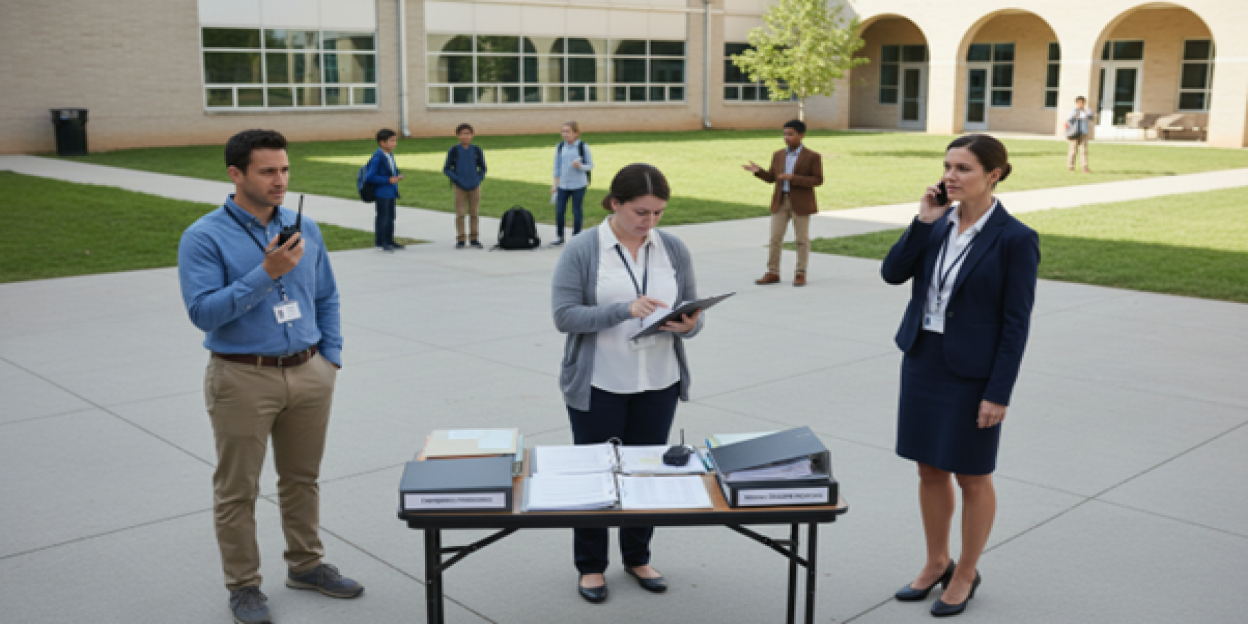
During a missing student incident, confusion wastes time. The policy should clearly specify:

  • Who confirms the student is missing and checks attendance records.
  • Who coordinates the search inside the campus.
  • Who manages external communication with parents and law enforcement.
  • Who documents timelines, decisions, and actions taken.
    Creating a small “Missing Student Response Team” with backups for each role ensures continuity even if someone is absent.

4. Embed Training and Drills
A policy is only as strong as the people who implement it. Plan regular training for teachers, support staff, transport staff, and security guards on:

  • Immediate steps when a child is unaccounted for.
  • How to escalate concerns without delay.
  • How to communicate calmly with students and parents.
    Mock drills—announced and unannounced—help test whether procedures are practical, timely, and clearly understood by everyone.

5. Review, Learn, and Improve Continuously
Treat the policy as a living document. Schedule an annual review, and conduct immediate reviews after any incident or near-miss. Ask: What worked? What caused delays? Were roles clear? Did communication flow smoothly? Use this feedback to refine steps, update contact lists, and adjust supervision practices.

A robust Missing Student Policy is not just a compliance requirement—it is a visible commitment to student safety. By involving stakeholders, understanding risks, defining clear roles, investing in training, and continuously improving, schools can create a safer environment where students learn with confidence and parents know their children are protected.

If your school does not have a written, practiced Missing Student Policy yet, make it a priority agenda item in your next leadership meeting—and start building one using these best practices.

Prev Article
Collaborating with Parents to Strengthen Missing Student Policies
Next Article
Understanding the Importance of Physical Contact Policies in Schools

Related to this topic:

rocket-icon rocket-icon rocket-icon

Learn What Makes Schools Truly Safe

Receive safety guides, policy updates, and best practices from global experts.

We care about your Personnel Data. Please check Privacy Policy