ESC

What are you looking for?

ESC

What are you looking for?

Shopping cart

Your favorites

You have not yet added any recipe to your favorites list.

Browse recipes

Schedule your 15-minute demo now

We’ll tailor your demo to your immediate needs and answer all your questions. Get ready to see how it works!

0
0
×

School E-Shop

Security Policies in School Hostels

A safe hostel is more than a building with beds—it is a structured, protected environment where students can live, learn, and grow with confidence. Clear, well-planned security policies are the backbone of a safe school hostel. They guide how risks are managed, how incidents are prevented, and how students are supported every day.

A strong hostel security policy starts with access control. Systems such as biometric scanners, ID cards, and strict visitor registration ensure that only authorized individuals enter the premises. This reduces the risk of intruders, unauthorized visitors, and helps track movement in and out of the hostel. When combined with clear rules for visiting hours and overnight permissions, access control becomes a powerful first line of defense.

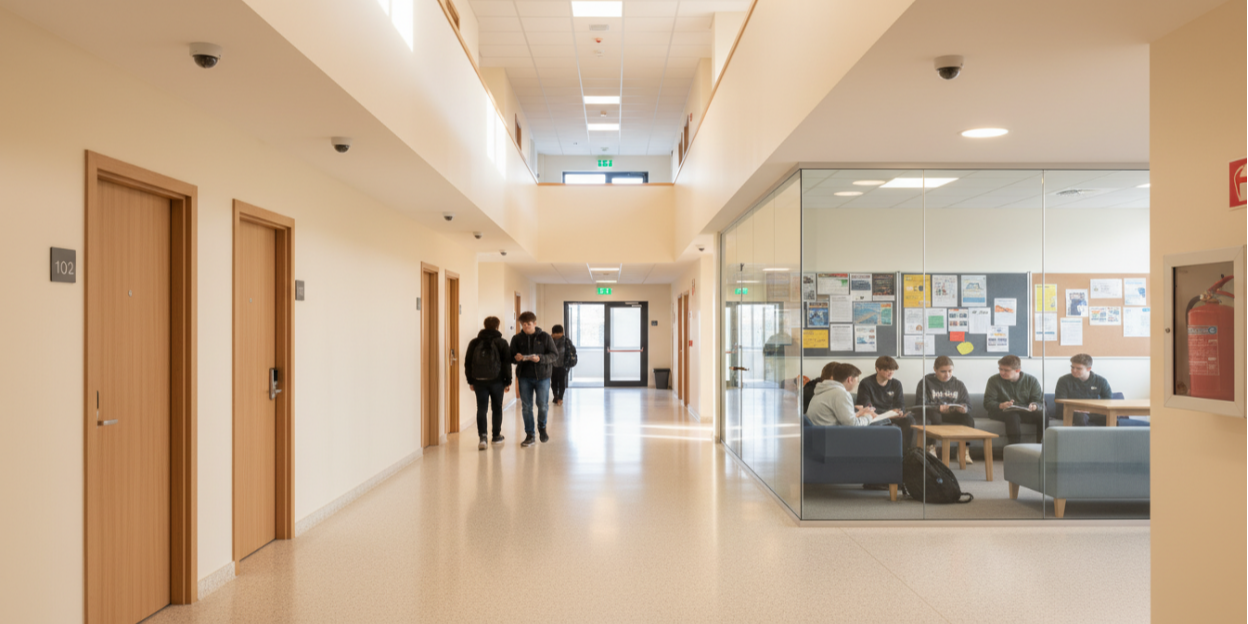
Surveillance is another critical component. CCTV cameras in corridors, entrances, and common areas help monitor activities, deter misconduct, and provide evidence if an incident occurs. However, cameras should never invade student privacy—no CCTV in washrooms or changing areas, and footage must be handled responsibly following clear data protection guidelines.

Trained security staff bring these systems to life. Guards who understand child safeguarding, basic counselling responses, emergency procedures, and respectful communication can prevent conflicts, respond quickly during emergencies, and reassure students and parents alike. Regular patrols inside and around the hostel help identify safety gaps before they turn into incidents.

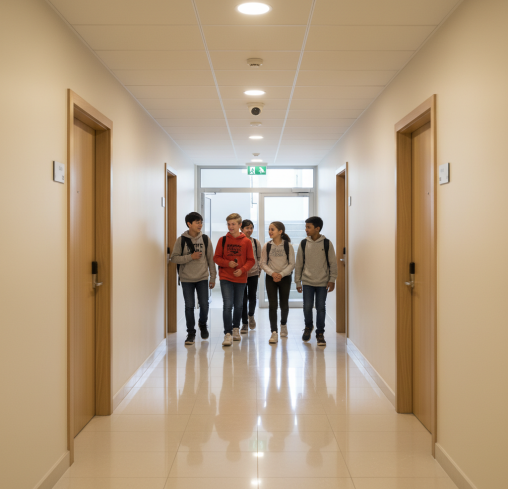
Fire safety protocols are non-negotiable in any residential facility. Hostels should have smoke detectors, alarms, fire extinguishers, emergency lighting, and clearly marked exits. Just as important are regular fire drills so that students and staff know exactly what to do, where to go, and who to follow in case of an emergency.

Student well-being must sit at the center of every security policy. Accessible first aid, timely medical support, and links to mental health services help address both physical and emotional needs. A safe hostel also means strong measures against bullying, harassment, and abuse, backed by clear reporting channels and prompt, fair action.

Effective implementation depends on communication. Policies should not sit in a file; they must be explained to students, staff, and parents through orientations, workshops, and handbooks. Encouraging students to report concerns—anonymously if needed—creates a culture of shared responsibility for safety.

When hostel security policies are well-designed and actively followed, the impact on student life is significant. Students feel safer, focus better on academics, and are less likely to experience bullying, theft, or unauthorized intrusions. Trust between parents, staff, and school leadership grows when safety is visibly prioritized.

Ultimately, security policies are living documents. Schools should review them regularly, update them with new technologies and lessons learned, and keep student welfare at the core. A secure hostel is not just protected—it is a place where students genuinely feel at home.

Prev Article
Ensuring Safety and Security in School Accommodation Hostels
Next Article
Addressing Safety Challenges in School Hostels: A Practical Guide

Related to this topic:

rocket-icon rocket-icon rocket-icon

Learn What Makes Schools Truly Safe

Receive safety guides, policy updates, and best practices from global experts.

We care about your Personnel Data. Please check Privacy Policy