ESC

What are you looking for?

ESC

What are you looking for?

Shopping cart

Your favorites

You have not yet added any recipe to your favorites list.

Browse recipes

Schedule your 15-minute demo now

We’ll tailor your demo to your immediate needs and answer all your questions. Get ready to see how it works!

0
0
×

School E-Shop

Smart Pest Management in Schools

A school can look spotless on the surface yet still struggle with hidden pest issues. An effective School Pest Management Policy doesn’t rely on quick chemical fixes—it builds a proactive system that keeps pests away while protecting children’s health and learning.

A strong policy starts with a clear assessment and risk analysis. School teams should map out high-risk areas such as kitchens, canteens, waste disposal points, science labs, storage rooms, and damp corners near plumbing. Understanding where food, water, and shelter are available helps schools anticipate where pests are most likely to appear.

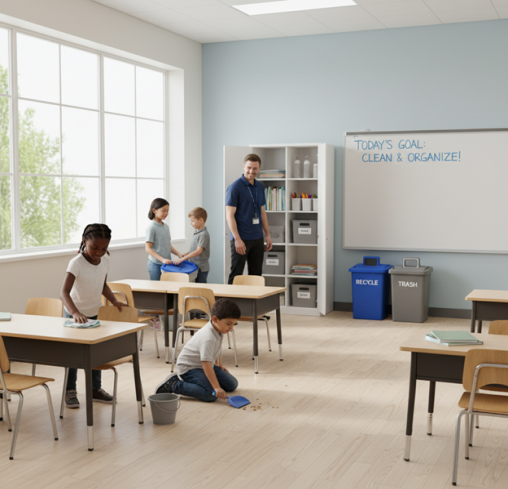
Next comes prevention. Simple, consistent measures often make the biggest difference: sealed food containers, prompt cleaning of spills, tightly closed trash bins, regular waste removal, and repairs to cracks, gaps, and broken window screens. When cleanliness and maintenance are prioritized, the environment becomes naturally less attractive to pests.

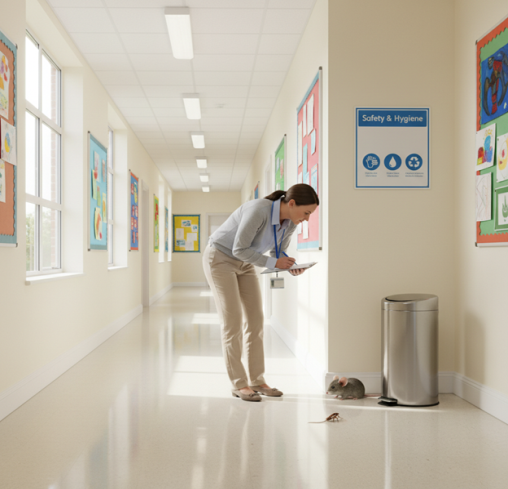
Training staff and students is equally critical. Teachers, custodians, cafeteria staff, and bus drivers should know the early signs of infestation—droppings, gnaw marks, insect trails, unusual smells—and how to report them. Students can be involved through age-appropriate hygiene education: not leaving food in desks, disposing of trash properly, and respecting “no food” zones.

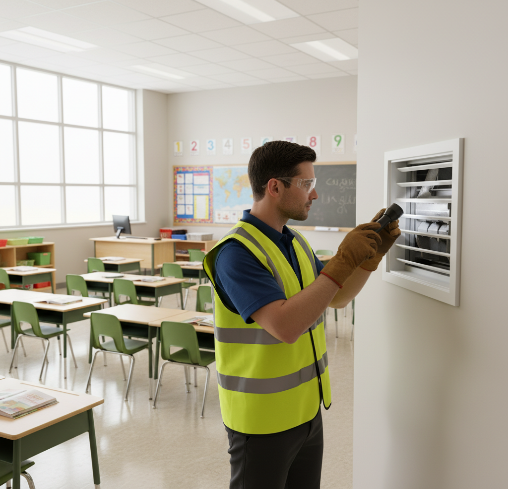
An effective policy also includes regular monitoring and inspection. Scheduled walkthroughs using a simple checklist help catch problems early. Documenting what is found, where, and when builds a history that guides future interventions and budget decisions.

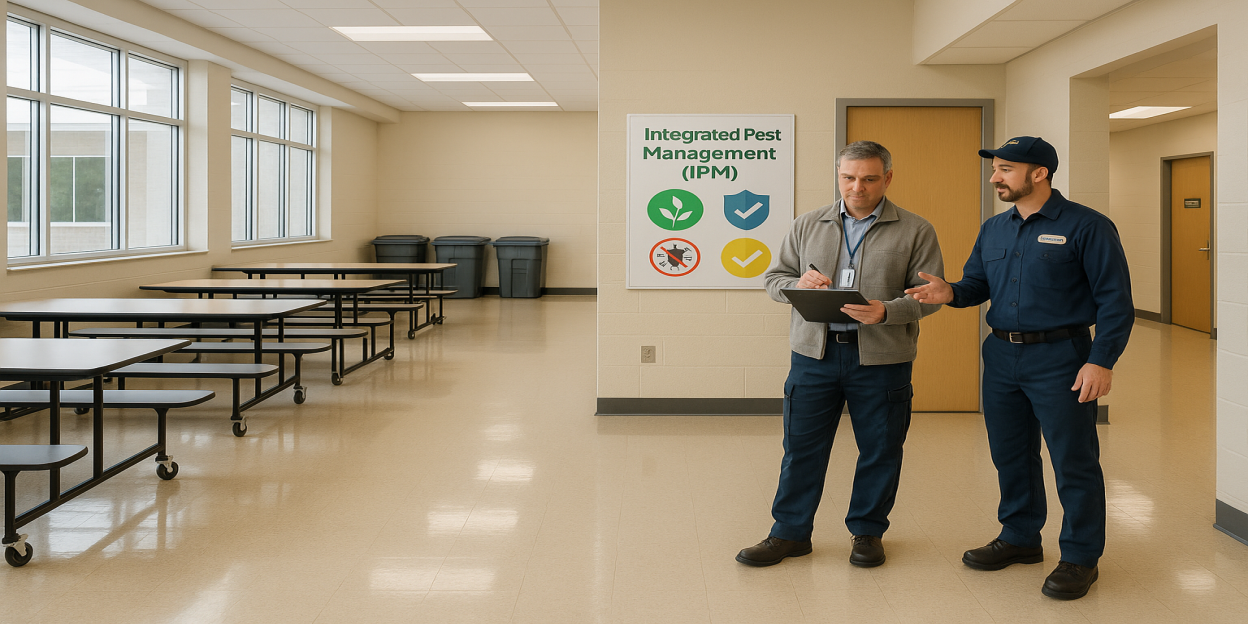
At the heart of modern school pest control is Integrated Pest Management (IPM). IPM emphasizes:

  • Biological controls – Encouraging natural predators where appropriate and safe.
  • Mechanical controls – Using traps, sealants, door sweeps, and screens to block and capture pests.
  • Chemical controls – Using pesticides only when necessary, selecting child-safe, low-toxicity options, and applying them under professional supervision outside school hours.

This layered approach reduces reliance on chemicals and lowers health risks for children with allergies, asthma, or sensitivities.

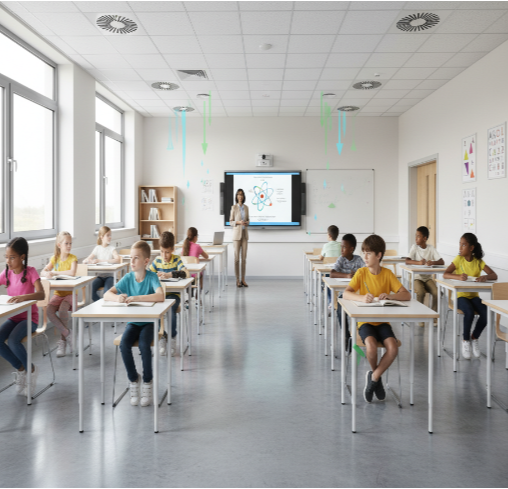
Why does this matter? Poor pest management can lead to contamination of food, spread of disease, damage to books, wiring, and infrastructure, and increased absenteeism. In contrast, a well-executed pest management policy supports a cleaner, healthier, and calmer learning environment.

Every school should:

  • Develop a written pest management policy aligned with IPM principles.
  • Assign clear roles for administrators, facility staff, and pest control professionals.
  • Communicate the policy to parents and staff for transparency and trust.

By treating pest management as a safety and learning issue—not just a maintenance task—schools can protect children, preserve infrastructure, and create an environment where teaching and learning truly thrive.

Prev Article
How Pests Compromise School Safety & Health and What Schools Must Do
Next Article
The Role of Students and Staff in School Pest Management

Related to this topic:

rocket-icon rocket-icon rocket-icon

Learn What Makes Schools Truly Safe

Receive safety guides, policy updates, and best practices from global experts.

We care about your Personnel Data. Please check Privacy Policy