ESC

What are you looking for?

ESC

What are you looking for?

Shopping cart

Your favorites

You have not yet added any recipe to your favorites list.

Browse recipes

Schedule your 15-minute demo now

We’ll tailor your demo to your immediate needs and answer all your questions. Get ready to see how it works!

0
0
×

School E-Shop

Preventing Gang Activity in Schools

Creating a safe school environment means facing difficult issues head-on—including gang activity. When gangs gain a foothold on or around campus, they can affect student safety, school culture, and community trust. A clear, well-implemented gangs policy helps schools identify, prevent, and respond to risks before they turn into crises.

A strong policy starts with a clear definition of gang activity. This goes beyond criminal behavior. Schools should specify behaviors such as wearing gang-related clothing or colors, displaying hand signs or symbols, using graffiti or tags, intimidating peers, or engaging in coordinated group behavior linked to known gangs. When the definition is specific, staff can recognize early signs and respond consistently, instead of relying on guesswork or assumptions.

Prevention is the heart of an effective approach. Schools should integrate age-appropriate education about gangs into life-skills, social studies, or guidance curricula. Lessons can cover how gangs recruit, the long-term consequences of involvement, and how to seek help safely. At the same time, offering positive alternatives—sports, clubs, art, music, leadership groups, and mentoring—reduces the appeal of gangs by giving students belonging and identity in healthier ways.

Collaboration with community organizations is also essential. Local youth agencies, faith-based groups, and NGOs that specialize in at-risk youth can provide mentoring, after-school programs, and job-readiness training. These partnerships extend the school’s protective net beyond the campus and involve families and neighborhoods in the solution.

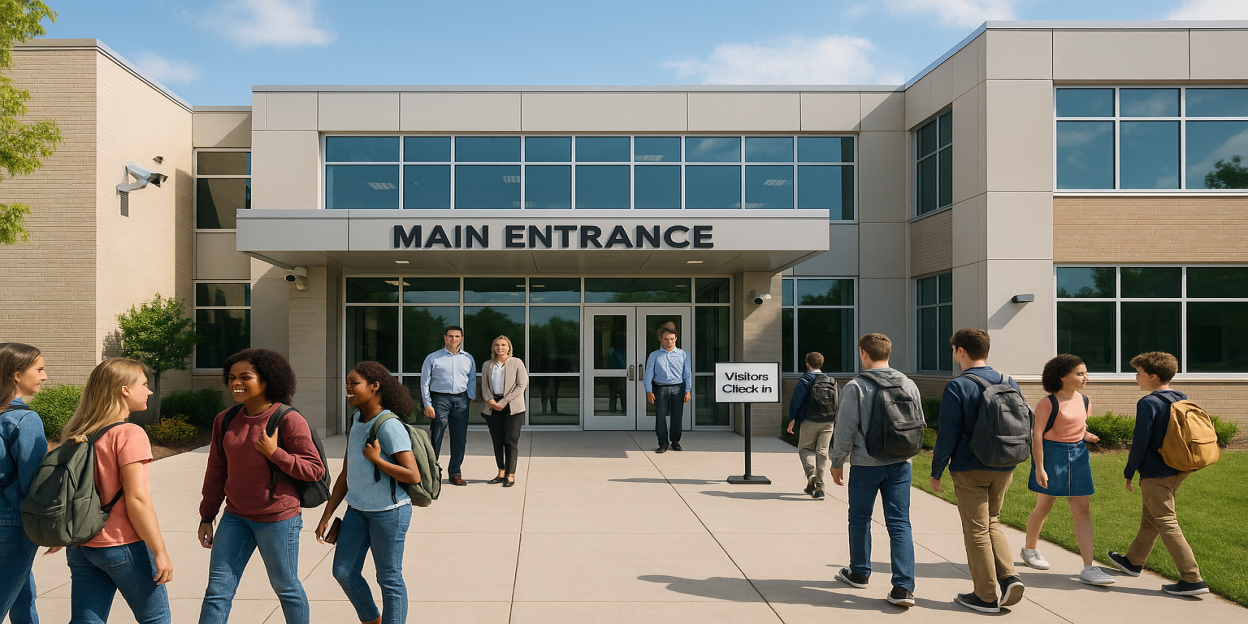
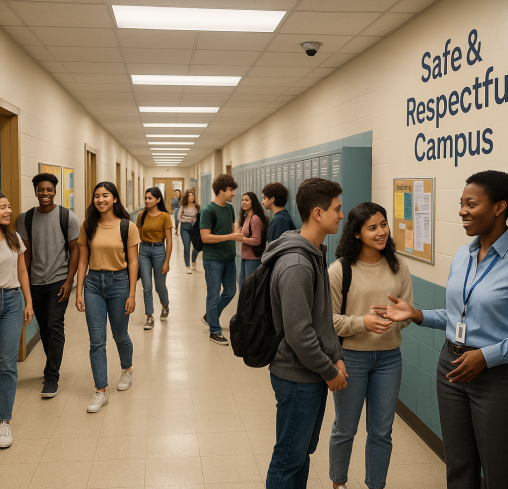
Physical and procedural security measures support prevention efforts. Increased adult presence in hallways and outdoor areas, strategic placement of security cameras, controlled entry points, and—where appropriate and lawful—metal detectors can all deter gang-related behavior. Staff training is critical: teachers, administrators, and support staff should know early warning signs, safe de-escalation techniques, and reporting procedures.

When gang-related incidents do occur, the school’s response must be timely, structured, and fair. Policies should clearly explain how to report concerns, how incidents are investigated, when to involve local law enforcement, and what consequences may apply. Some schools choose zero-tolerance consequences for violent or criminal gang activity, but this must be balanced with due process and clear communication with families.

Support for affected students is equally important. Victims of gang-related threats or violence may need counseling, safety planning, and academic support. Students who are at risk of joining gangs should have access to guidance counselors, social workers, and community outreach programs focused on building resilience and alternative pathways.

By combining clear definitions, proactive prevention, structured response, and strong partnerships, schools can significantly reduce the influence of gangs. The goal is not only to enforce rules, but to create a safe, supportive environment where every student can learn without fear and feel that they truly belong.

Prev Article
Comprehensive Gangs Policy Keeping Schools Safe, Prepared, and Supportive
Next Article
Preventing Gang Violence in Schools A Practical Guide for Safer Campuses

Related to this topic:

rocket-icon rocket-icon rocket-icon

Learn What Makes Schools Truly Safe

Receive safety guides, policy updates, and best practices from global experts.

We care about your Personnel Data. Please check Privacy Policy