ESC

What are you looking for?

ESC

What are you looking for?

Shopping cart

Your favorites

You have not yet added any recipe to your favorites list.

Browse recipes

Schedule your 15-minute demo now

We’ll tailor your demo to your immediate needs and answer all your questions. Get ready to see how it works!

0
0
×

School E-Shop

Resilient Schools Through Preparedness

Resilience in schools is not just about “getting through” a crisis; it’s about being ready to respond, recover, and grow stronger afterward. Emergency preparedness is a core part of that resilience. When schools prepare in advance, they protect students and staff and create a stable environment where learning can continue, even after disruption.

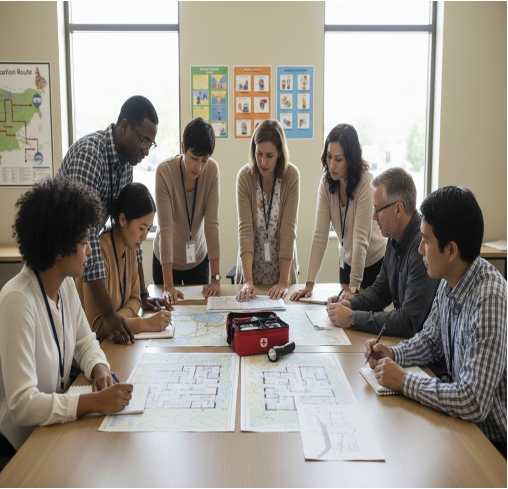
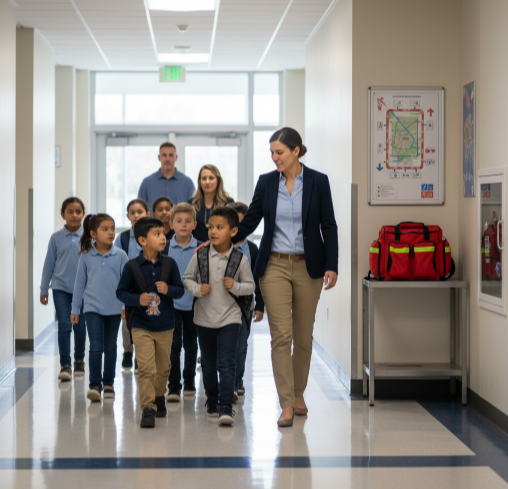
Effective emergency preparedness goes beyond having a document on a shelf. A strong school emergency plan clearly outlines roles, responsibilities, and step-by-step actions for different scenarios—such as severe weather, medical emergencies, fire, or security threats. Everyone, from teachers to transport staff, needs to know what to do, where to go, and who to contact.

Communication is at the heart of a resilient response. Schools should have clear protocols for notifying parents, coordinating with local authorities, and updating staff in real time. Pre-approved message templates, emergency contact trees, and multiple channels (SMS, app alerts, emails, public address systems) help reduce confusion and panic in high-stress moments.

Technology can significantly strengthen preparedness and response. Modern security systems, real-time alert platforms, and digital check-in or attendance tools help schools quickly account for students and staff. Well-designed reunification procedures—where parents and children are safely reconnected after an incident—are essential. These should be practiced, documented, and communicated to families ahead of time.

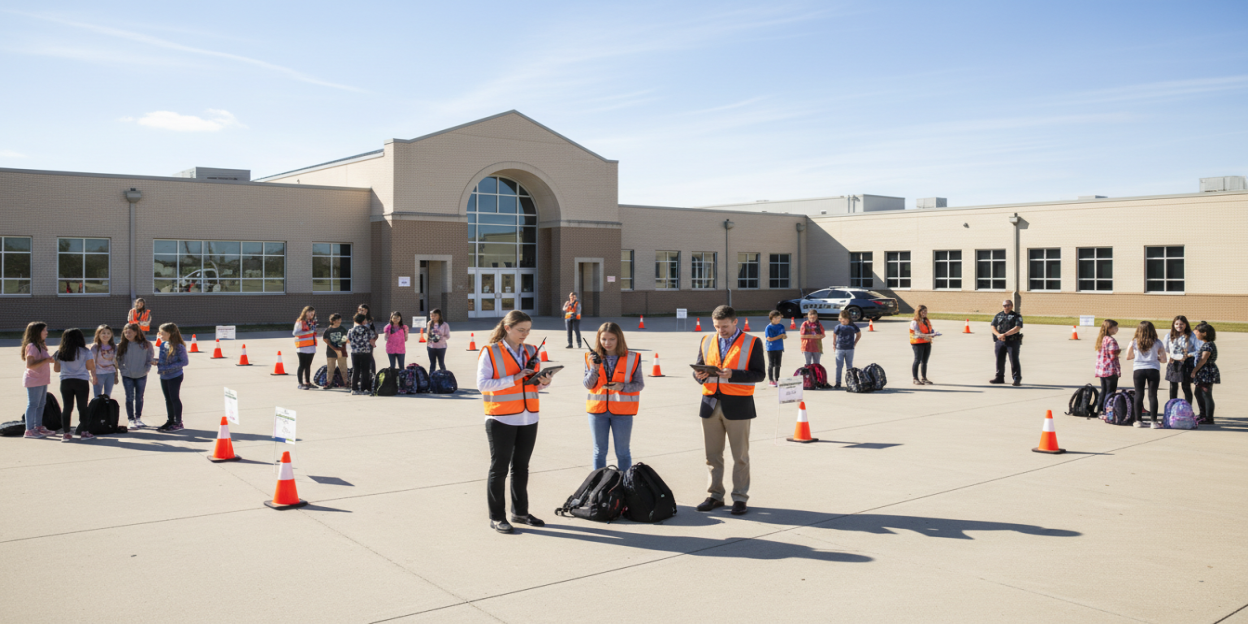
Training and drills turn plans into real-world readiness. Regular, age-appropriate drills help students and staff build confidence and muscle memory. When everyone understands their role—who leads, who checks classrooms, who calls emergency services—the response becomes faster and more coordinated. Involving the broader school community, including parents and local responders, creates a culture of shared responsibility.

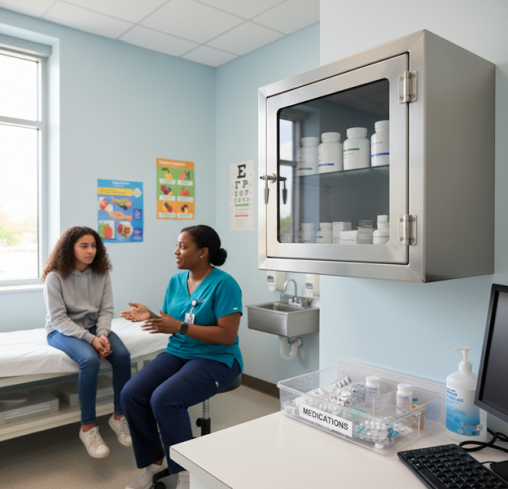
Recovery planning is just as important as the immediate response. After any emergency, schools must focus on mental health and emotional recovery. Providing access to counselors, offering safe spaces to talk, and watching closely for signs of trauma or anxiety help students and staff regain a sense of normalcy and safety.

Emergency preparedness is not a one-time task. Plans should be reviewed regularly, updated after drills or real incidents, and aligned with local regulations and best practices. When schools commit to continuous improvement—listening, learning, and adapting—they build true resilience.

By investing in clear plans, strong communication, smart use of technology, and compassionate recovery, schools can create an environment where students feel protected, supported, and ready to learn—no matter what challenges arise.

Prev Article
Proactive Emergency Preparedness for Modern Schools
Next Article
Understanding Peer Medication Policies in Schools

Related to this topic:

rocket-icon rocket-icon rocket-icon

Learn What Makes Schools Truly Safe

Receive safety guides, policy updates, and best practices from global experts.

We care about your Personnel Data. Please check Privacy Policy