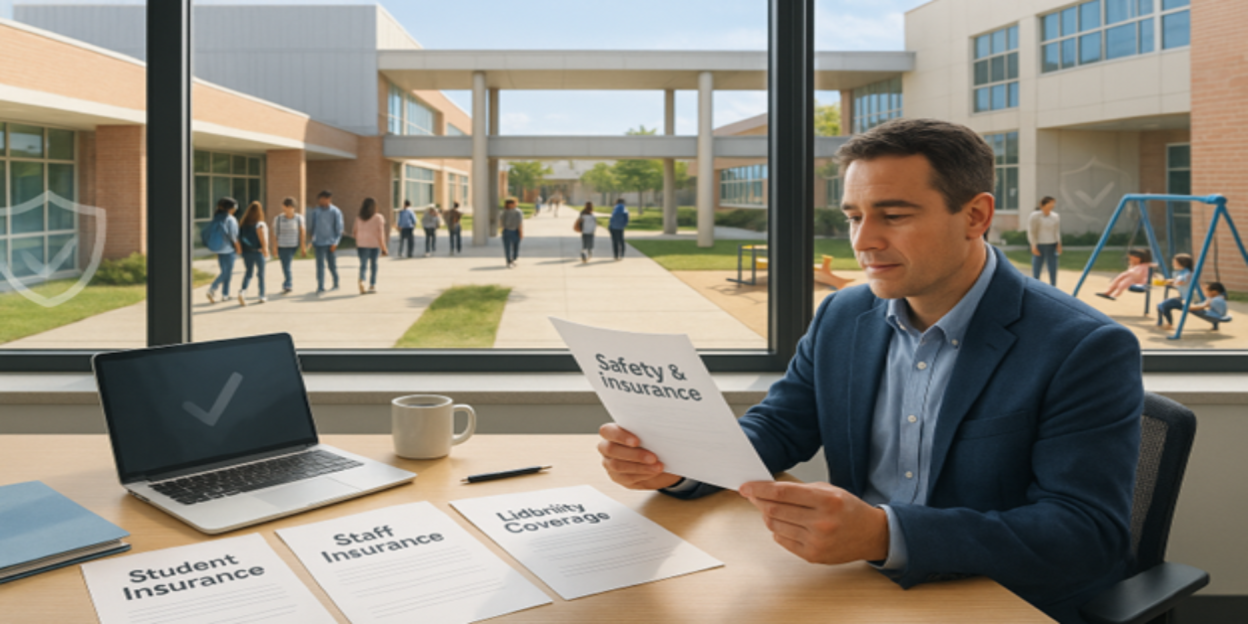
Ensuring the safety
and security of students and staff is non‑negotiable for any school or early
childhood setting. While CCTV, access control, safety drills, and medical
protocols are commonly discussed, one powerful layer of protection is often
overlooked: student and staff insurance.
Insurance is more
than a financial product. It is a policy-level commitment that if something
goes wrong, the school community will not be left unprotected—medically,
legally, or financially.
Why Insurance Matters in School Safety
Schools are high‑activity
environments. Children run, play sports, use stairs, travel for field trips,
and participate in labs and events. Staff manage classrooms, outdoor
supervision, and operational tasks. Even with strong safety protocols,
accidents and health emergencies can still occur.
Without appropriate
insurance, the cost of these incidents—medical treatment, legal claims, or
compensation—can fall on families, staff, or the institution. This not only
creates financial strain but can also damage trust between parents and the
school.
Insurance acts as a
safety net that supports all other safety measures. When a school is well‑insured,
stakeholders know that unforeseen incidents will be managed responsibly and
fairly.
Key Types of Insurance Schools Should Consider
- Liability Insurance
Protects the school if a student, staff member, or visitor is injured due
to alleged negligence. It can cover legal fees, settlements, and related
costs—crucial in serious incidents or disputes.
- Student Accident and Health
Insurance
Provides coverage for medical expenses when students are injured on
campus, in transport, or during school‑approved activities. This reduces
out‑of‑pocket burden for families and speeds up access to care.
- Workers’ Compensation Insurance
Supports staff who suffer work‑related injuries or illnesses by covering
medical expenses and partial wage replacement. This demonstrates that the
institution values staff well‑being and legal compliance.
- Property Insurance
Covers damage or loss to buildings, equipment, labs, buses, and learning
resources due to events like fire, theft, or natural disasters. Quickly
restoring infrastructure reduces disruption to learning.
Beyond Money: Peace of Mind and Stronger Systems
Insurance also
supports psychological safety. When parents know the school has proper
coverage, they feel more secure sending their children. Staff feel valued and
protected, which supports morale and retention.
In some cases,
insurance requirements or claims analysis can even drive improvements:
- Upgrading surveillance and access
control
- Improving Playground safety
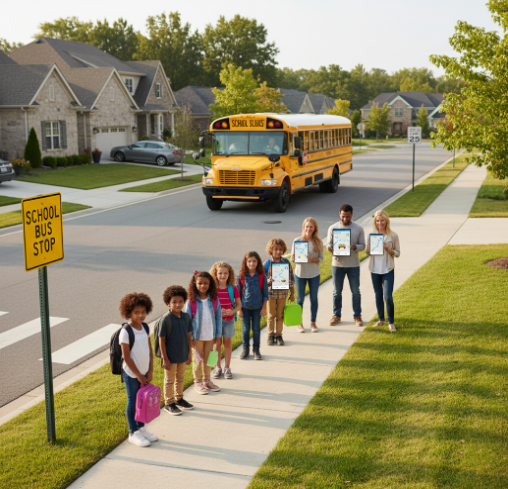
- Strengthening transport rules and
supervision
- Formalizing risk assessments and
documentation
Practical Steps for School Leaders
- Review current policies and
coverage limits annually.
- Ensure students, staff, and
activities (including field trips and sports) are clearly covered.
- Communicate insurance details
transparently to parents and employees.
- Align insurance with your broader
school safety plan and emergency procedures.
School leaders and
management teams should treat student and staff insurance as a core pillar of
school safety—not an optional extra. Review your coverage, close the gaps, and
ensure every child and every adult on campus is protected, both physically and
financially.
Prev Article
Technological Innovations Transforming School Transport Safety
Next Article
The Hidden Backbone of School Safety: The Power of Insurance