ESC

What are you looking for?

ESC

What are you looking for?

Shopping cart

Your favorites

You have not yet added any recipe to your favorites list.

Browse recipes

Schedule your 15-minute demo now

We’ll tailor your demo to your immediate needs and answer all your questions. Get ready to see how it works!

0
0
×

School E-Shop

Building Safer, Healthier School Environments

Keeping students safe is not only about reacting when something goes wrong. The most effective schools focus on prevention—reducing the chances of illness and injuries before they happen. A proactive approach protects children, supports learning, and builds trust with families.

1. Strengthening Health Education and Awareness

Prevention starts with what students and staff know and do every day.

  • Student Training
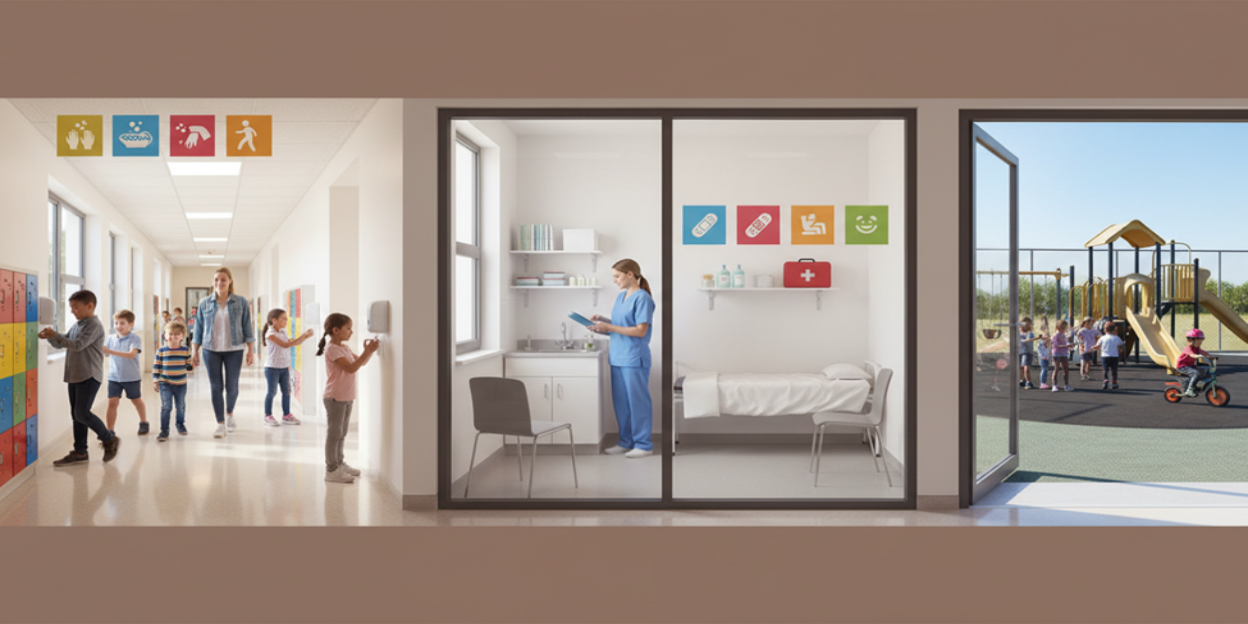
    Teaching children simple routines—like proper handwashing, using tissues, and covering coughs—significantly reduces the spread of common infections. Short demonstrations during assembly, posters near washbasins, and reminder routines before meals can make these habits stick.
  • Staff Training
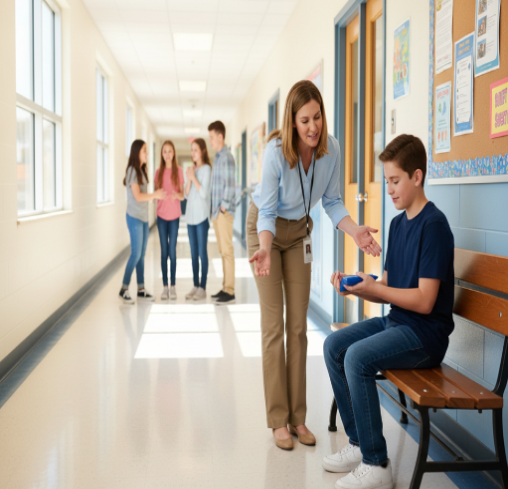
    Educators and support staff should be able to recognize early signs of contagious illness (fever, rash, persistent cough), dehydration, or injury. Regular refreshers on when to send a child to the nurse, how to document concerns, and how to communicate with families help prevent minor issues from becoming serious.

2. Creating a Safe Physical Environment

The school environment itself can either reduce or increase risk.

  • Regular Maintenance and Safety Audits
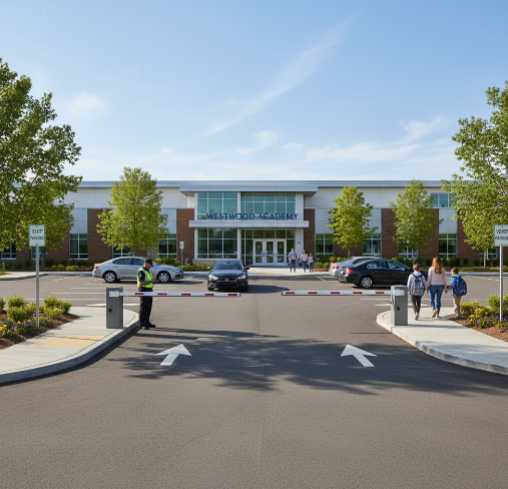
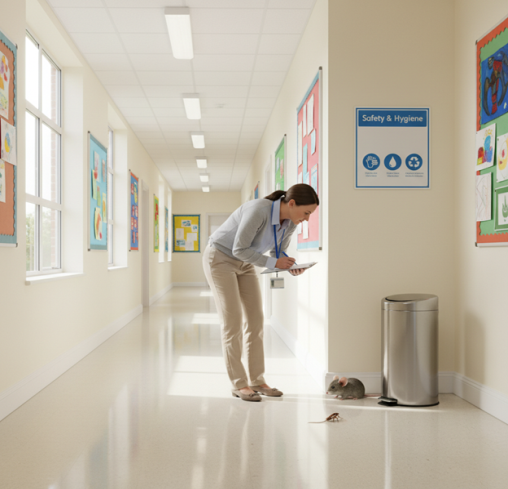
    Scheduled inspections of classrooms, corridors, staircases, toilets, Playgrounds, and sports areas are essential. Teams should look for loose tiles, slippery floors, exposed wiring, unstable furniture, or damaged Playground equipment. A simple checklist and a system to report and track repairs can prevent many avoidable injuries.
  • Emergency Preparedness
    Fire extinguishers, alarms, clear signage, and unobstructed evacuation routes must be non‑negotiable. Regular fire and evacuation drills—practiced calmly and explained in age-appropriate language—help ensure that students and staff know exactly what to do, reducing panic and confusion in real emergencies.

3. Promoting Whole-School Wellness

Healthy students are safer students.

  • Nutrition Programs
    Collaborating with nutritionists to plan balanced menus supports immunity, focus, and energy. Encouraging hydration, limiting junk food, and offering healthy canteen choices form part of a long-term illness-prevention strategy.
  • Mental Health Support
    Emotional well-being is closely linked to physical safety. Workshops on stress management, peer relationships, and bullying prevention, along with access to counselors or trained staff, help students manage emotions and reduce risky behaviors that may lead to injuries.

Safety as a Shared Responsibility

Prevention is a collective effort. School leaders, teachers, support staff, students, and families all play a role. By combining health education, a safe physical environment, and strong wellness initiatives, schools can move from reacting to incidents to actively preventing them—creating campuses that truly are havens of health, safety, and learning.

Prev Article
Steps to Responding to Illness and Injury in Schools: A Practical Guide for Educators
Next Article
The Importance of Vehicle Access Parking in Enhancing School Safety

Related to this topic:

rocket-icon rocket-icon rocket-icon

Learn What Makes Schools Truly Safe

Receive safety guides, policy updates, and best practices from global experts.

We care about your Personnel Data. Please check Privacy Policy