ESC

What are you looking for?

ESC

What are you looking for?

Shopping cart

Your favorites

You have not yet added any recipe to your favorites list.

Browse recipes

Schedule your 15-minute demo now

We’ll tailor your demo to your immediate needs and answer all your questions. Get ready to see how it works!

0
0
×

School E-Shop

Safe Food Practices in Schools

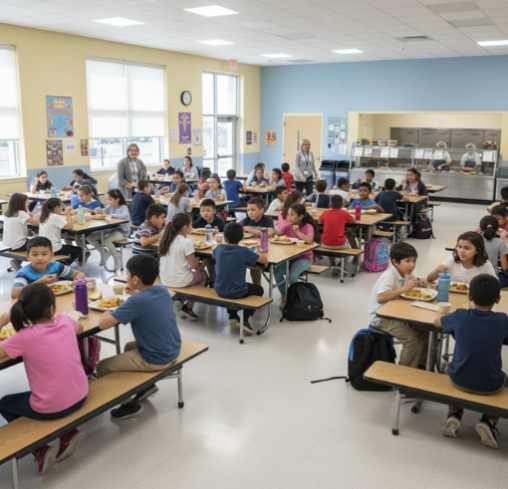
School cafeterias do much more than feed students—they support learning, well-being, and equity. But even the most nutritious meal can become a health risk if food safety practices are weak. A clear, well-implemented food safety policy helps schools prevent foodborne illnesses and build trust with families.

1. Safe Food Preparation and Storage

Food safety starts in the kitchen. All food must be cooked to recommended internal temperatures to kill harmful bacteria—meats thoroughly cooked, eggs fully done, and reheated foods brought back to safe temperatures. Perishable items such as dairy, meats, and cut fruits should be stored in refrigerators or freezers at correct temperatures, with regular temperature logs.
Leftovers should never be reused casually. Schools should have clear rules on cooling, labeling, reheating, and discarding leftover food, including “use by” timelines and visual checks for spoilage.

2. Strong Hygiene Practices for Staff and Equipment

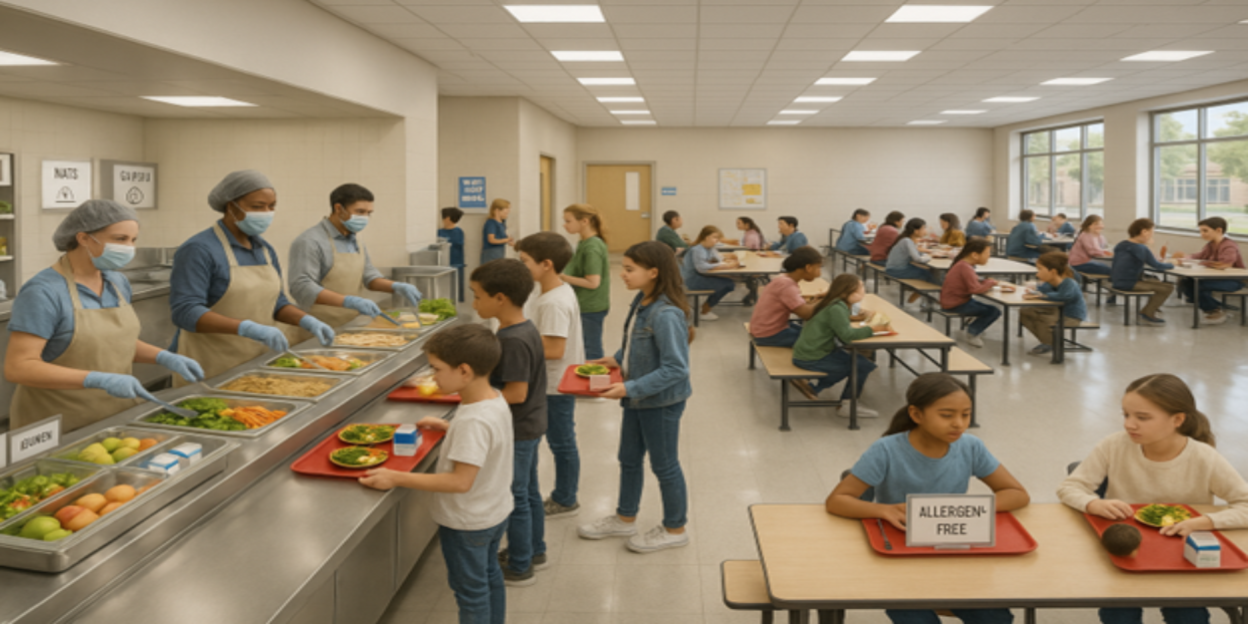
Cafeteria staff are the first line of defense. Handwashing with soap and water before handling food, after using the restroom, and after touching raw ingredients must be non-negotiable. Gloves and hairnets should be standard, not optional.
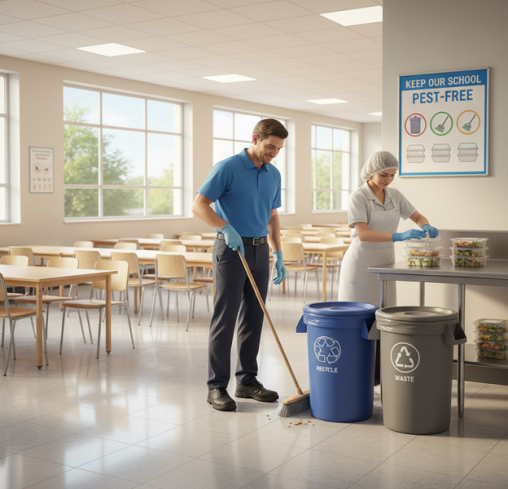
Equipment, utensils, and preparation surfaces must be cleaned and sanitized on a schedule—before and after each use, between raw and ready-to-eat foods, and at the end of each shift. Schools can reduce cross-contamination risks by using color-coded chopping boards and regularly replacing or sanitizing serving utensils.

3. Proactive Allergen Management

Food allergies can be life-threatening, so clear systems are essential. Menus should label common allergens and be shared with parents in advance when possible. Cafeteria teams should know which students have serious allergies and understand emergency response steps.
Creating allergen-free zones—such as a nut-free table—and having separate utensils and serving areas for allergen-free meals greatly reduces risk. Staff should be trained to recognize allergic reactions and respond quickly according to the school’s emergency plan.

4. Regular Inspections and Ongoing Training

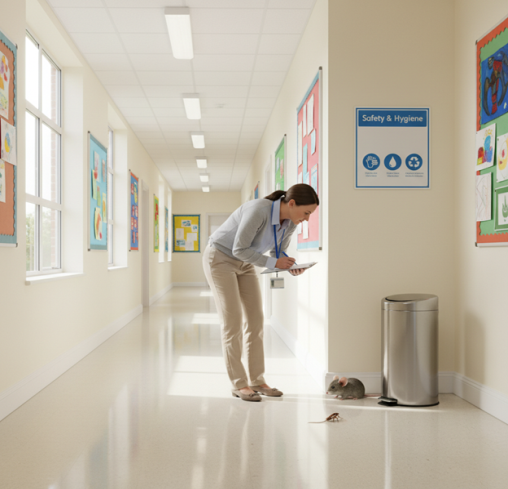
Scheduled health and safety inspections help schools identify gaps before they become incidents. Internal walk-throughs, along with external inspections, keep standards consistent.
Food handlers need regular refresher training on topics like safe temperatures, hand hygiene, cross-contamination, allergen management, and recognizing spoiled food. Short, focused training sessions and visual reminders (posters, checklists) keep safety top-of-mind.

5. Building Student Awareness

Students also have a role in cafeteria safety. Schools can teach simple habits: washing hands before meals, not sharing utensils or drinks, and telling an adult if food looks or smells “off.” Classroom lessons, assemblies, and posters near the cafeteria reinforce these messages.

Every school should review its cafeteria food safety practices at least once a year. Involve administrators, food service staff, school nurses, and parents in building a clear, practical food safety policy—because safe food is not optional; it’s part of a safe school.

Prev Article
Student and Staff Insurance: A Cornerstone of School Emergency Preparedness
Next Article
The Importance of Behavior Management in School Cafeterias

Related to this topic:

rocket-icon rocket-icon rocket-icon

Learn What Makes Schools Truly Safe

Receive safety guides, policy updates, and best practices from global experts.

We care about your Personnel Data. Please check Privacy Policy