ESC

What are you looking for?

ESC

What are you looking for?

Shopping cart

Your favorites

You have not yet added any recipe to your favorites list.

Browse recipes

Schedule your 15-minute demo now

We’ll tailor your demo to your immediate needs and answer all your questions. Get ready to see how it works!

0
0
×

School E-Shop

Emergency-Ready School Cafeterias

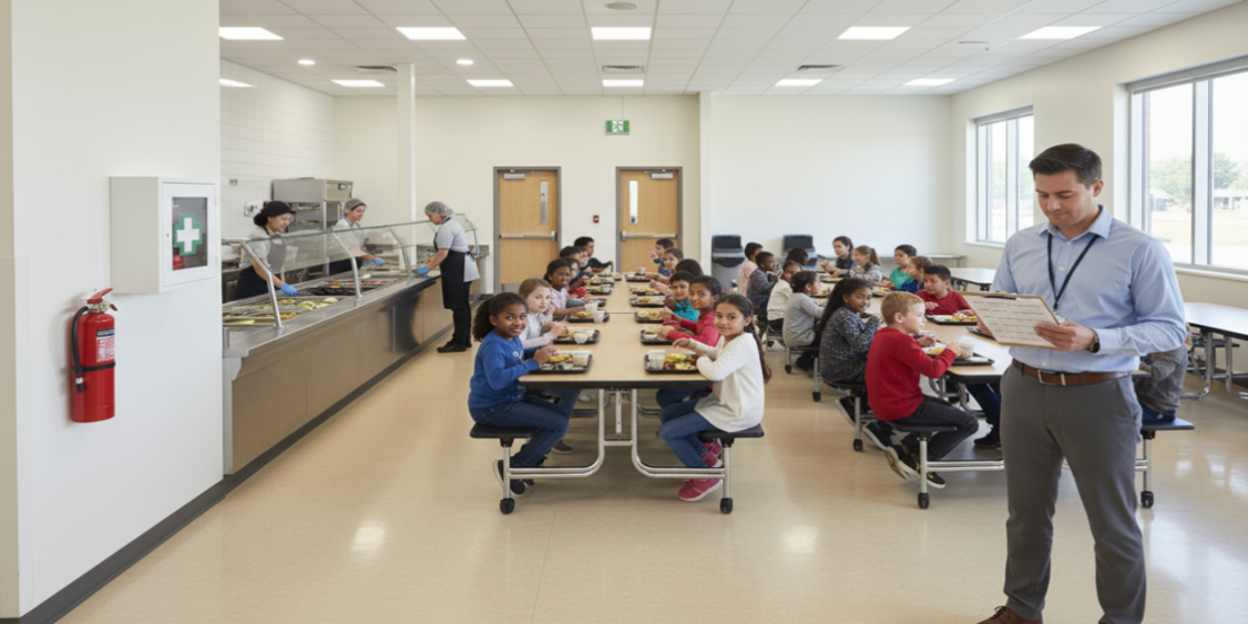
School cafeterias are busy, high-traffic spaces where hundreds of students gather every day. Because of the mix of people, equipment, and food, cafeterias must be treated as critical areas for emergency preparedness. A well-planned system not only protects students and staff but also builds confidence among parents and the school community.

A strong cafeteria emergency plan should address fire safety, medical readiness, foodborne illness response, clear communication, and regular safety checks.

1. Fire Safety Measures

Cafeterias rely on cooking equipment, electrical appliances, and gas lines—each a potential fire risk if not managed properly.
Schools should ensure:

  • Fire extinguishers, smoke detectors, and sprinkler systems are installed, inspected, and maintained.
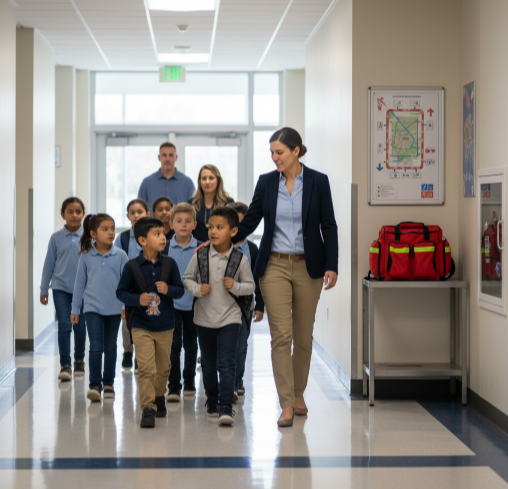
  • Clear evacuation routes and exit signage are visible and unobstructed.
  • Regular fire drills include cafeteria staff and consider peak times like lunch.

When drills mirror real-life scenarios, staff and students learn how to evacuate calmly and quickly.

2. First Aid Readiness

Minor cuts, burns, slips, or choking incidents can occur in cafeteria settings. To respond effectively:

  • Keep a fully stocked first aid kit within easy reach of staff.
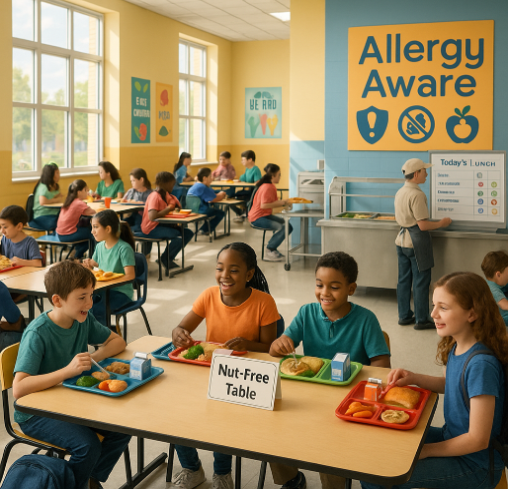
  • Train cafeteria and supervising staff in basic first aid, choking response, and recognizing allergic reactions.
  • Ensure staff know how to activate the school’s medical emergency protocol immediately.

Prepared adults make a critical difference in the first few minutes of any incident.

3. Foodborne Illness Prevention and Response

Food safety is central to cafeteria operations. In the event of a suspected foodborne illness:

  • Have a clear protocol to identify the food item, batch, and serving time.
  • Isolate and stop serving the suspected food immediately.
  • Document cases, symptoms, and timelines to support investigation.
  • Communicate transparently with school leadership, health authorities (as required), and parents.

Preventive measures—proper storage temperatures, hand hygiene, and cross-contamination controls—greatly reduce risk.

4. Crisis Communication

During an emergency, confusion can escalate risk. A well-defined communication plan should:

  • Specify who informs students, staff, and parents.
  • Use multiple channels: PA system, SMS, email, and school apps where available.
  • Provide simple, factual, and reassuring updates.

Clear communication prevents rumors and maintains trust.

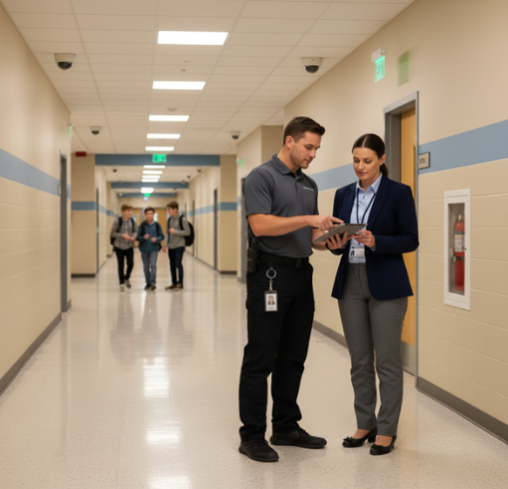
5. Routine Safety Audits

Regular safety audits help schools catch problems before they become emergencies. Audit checklists should include:

  • Equipment condition (ovens, gas lines, electrical outlets, refrigeration).
  • Housekeeping (clutter-free exits, dry floors, safe storage).
  • Compliance with safety signage, hygiene rules, and staff training records.

Addressing issues promptly builds a safer, more resilient cafeteria environment.

School leaders should review their cafeteria emergency plan at least annually, involve cafeteria staff in drills and training, and communicate safety expectations clearly. A prepared cafeteria isn’t just compliant—it’s a powerful safeguard for every child who eats there.

Prev Article
Enhancing Allergen Safety in School Cafeterias: A Practical Guide
Next Article
Understanding the Role of Risk Assessment Policies in School Safety

Related to this topic:

rocket-icon rocket-icon rocket-icon

Learn What Makes Schools Truly Safe

Receive safety guides, policy updates, and best practices from global experts.

We care about your Personnel Data. Please check Privacy Policy