ESC

What are you looking for?

ESC

What are you looking for?

Shopping cart

Your favorites

You have not yet added any recipe to your favorites list.

Browse recipes

Schedule your 15-minute demo now

We’ll tailor your demo to your immediate needs and answer all your questions. Get ready to see how it works!

0
0
×

School E-Shop

Safer, Gender-Sensitive School Changing Rooms

Creating gender-sensitive policies for school changing rooms is no longer optional—it is a core part of student safety, dignity, and well-being. Changing rooms are private spaces where students are often at their most vulnerable. When these areas are thoughtfully managed, they help reduce bullying, harassment, and anxiety, and promote respect among all students.

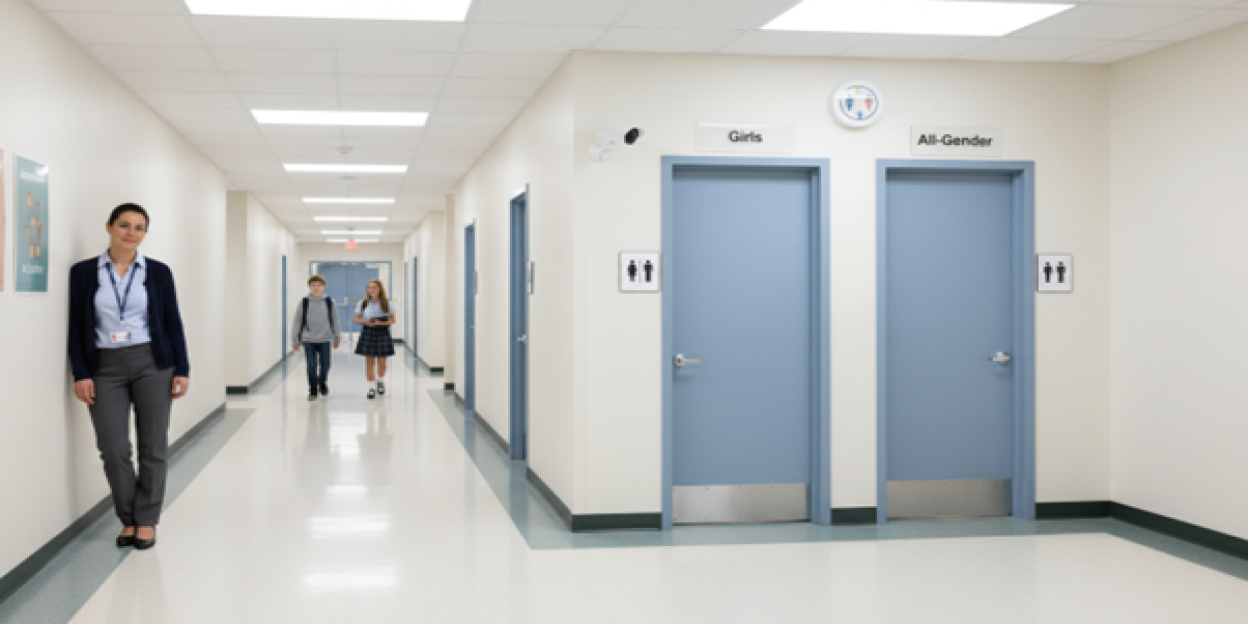
At the foundation, schools should ensure separate changing rooms for boys and girls in coeducational settings. Clear signage, age-appropriate layouts, and supervised access help prevent confusion and reduce the risk of inappropriate behavior. For students whose gender identity does not align with traditional male–female spaces, schools should consider providing gender-neutral changing areas. These may be individual cubicles or a small, private changing facility that any student can use without stigma. The goal is to offer real choices so every child can feel physically and emotionally safe.

Staff monitoring plays a critical role. Schools should assign trained, authorized staff to supervise the entrances and general vicinity of changing rooms, especially during high-use times such as before and after physical education classes. Monitoring must be done in a way that never invades students’ privacy—staff should remain outside or in clearly visible common areas, never inside undressed zones. Written protocols should define who is allowed to supervise, how often, and what actions to take if concerns arise.

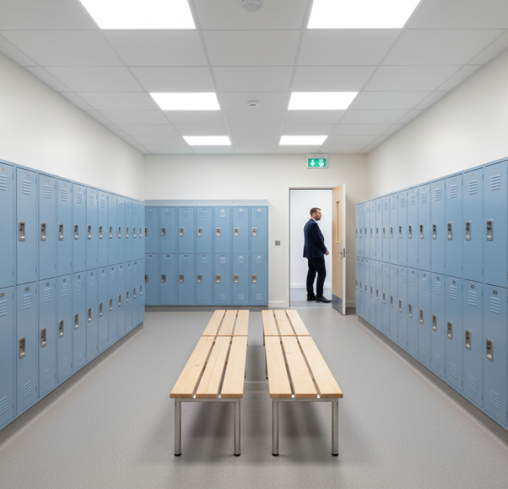
Security features strengthen these policies. Changing rooms should have functional locks, restricted access, and adequate, glare-free lighting. Clear rules must prohibit photography, video recording, or device misuse, with zero tolerance for sharing images or making derogatory comments. A visible, simple reporting system—such as an anonymous reporting box, QR code, or designated staff counselor—encourages students to speak up about bullying, harassment, or discomfort.

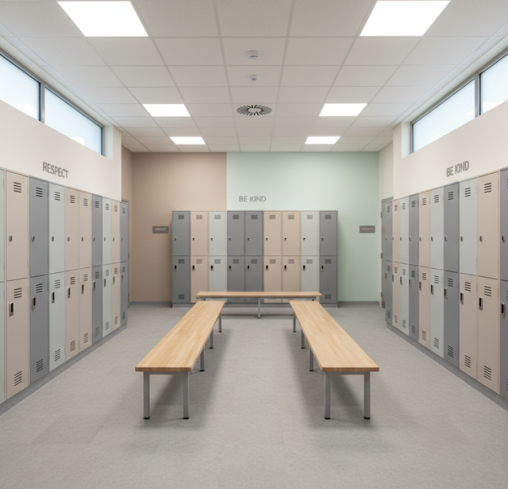
Equally important is education. Staff need training on gender sensitivity, privacy rights, and appropriate intervention in incidents. Students should be guided on what respectful behavior looks like in changing rooms: no mocking bodies, no invading personal space, no teasing based on gender identity or expression. Short awareness sessions, posters, and class discussions can normalize the idea that everyone deserves safety and respect while changing.

By implementing clear, gender-sensitive policies—separate and/or inclusive spaces, respectful supervision, secure infrastructure, and ongoing education—schools create changing rooms where students feel protected rather than exposed. This not only prevents misconduct, but also sends a powerful message: every student’s dignity matters.

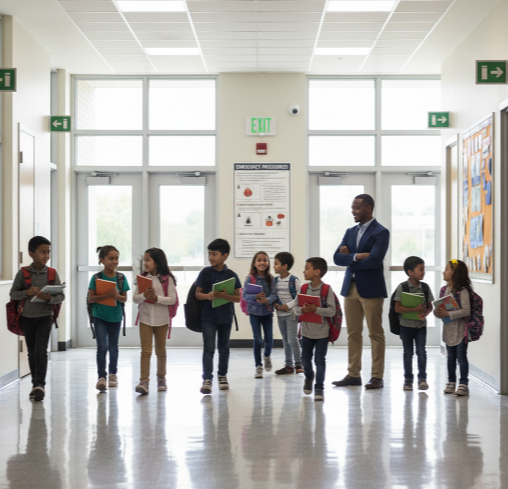
School leaders, review your current changing room policies, spaces, and supervision practices. Involve staff, students, and parents in strengthening them, so every child can change for class in comfort, confidence, and safety.

Prev Article
Enhancing Security in School Changing Rooms: Safe, Respectful Spaces for Students
Next Article
Preventing Bullying in School Changing Rooms: Turning Hidden Spaces into Safe Spaces

Related to this topic:

rocket-icon rocket-icon rocket-icon

Learn What Makes Schools Truly Safe

Receive safety guides, policy updates, and best practices from global experts.

We care about your Personnel Data. Please check Privacy Policy