ESC

What are you looking for?

ESC

What are you looking for?

Shopping cart

Your favorites

You have not yet added any recipe to your favorites list.

Browse recipes

Schedule your 15-minute demo now

We’ll tailor your demo to your immediate needs and answer all your questions. Get ready to see how it works!

0
0
×

School E-Shop

Safer School Changing Rooms

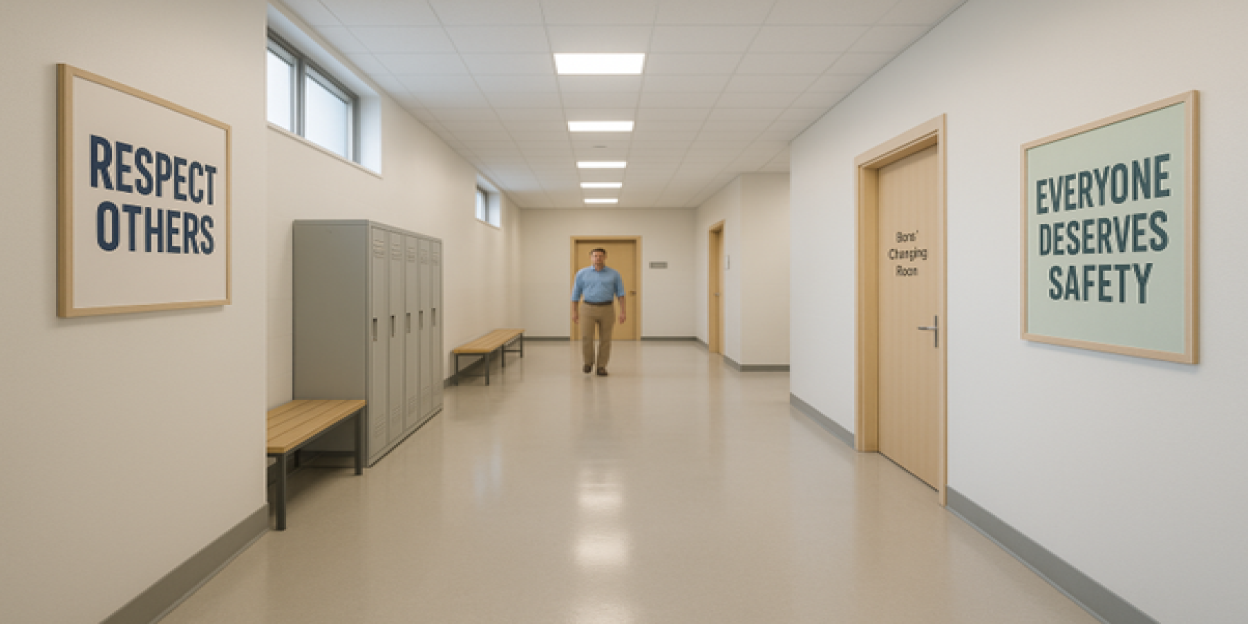
School changing rooms should be places where students quickly change, chat, and get ready for physical activities—not spaces filled with anxiety, teasing, or harassment. Because these areas are often semi-private and less structured, they can unfortunately become hotspots for bullying if schools don’t take proactive steps.

A strong approach combines clear rules, visible supervision, safe reporting channels, and a culture of respect.

1. Set a Clear Code of Conduct

Start with a written code of conduct specific to changing rooms. It should clearly state:

  • No mocking or comments about bodies or clothing
  • No taking photos or videos
  • No touching others’ belongings without permission
  • No threats, name-calling, or harassment

Communicate this regularly in assemblies, PE classes, and student handbooks. Make sure consequences are consistent and known to students, staff, and parents.

2. Provide Discreet but Effective Supervision

Adult presence alone can significantly reduce bullying:

  • Assign staff to be present during changing times, positioned at entrances or in adjacent areas
  • Train staff to balance supervision with privacy—listening and checking in, not hovering
  • Install security cameras in corridors outside changing rooms (never inside) to monitor access, loitering, or group intimidation

Clear supervision signals to students that this space is monitored and that harmful behavior will not be ignored.

3. Offer Anonymous Reporting Options

Many students stay silent because they fear being targeted if they speak up. To counter this:

  • Set up an anonymous reporting box in a neutral area
  • Provide a simple digital form or school app where students can report concerns
  • Publicize these options regularly and explain how reports are handled

Commit to timely follow-up and communicate, where possible, that action has been taken so students see that reporting leads to real change.

4. Build a Culture of Respect and Inclusion

Policies alone are not enough. Integrate respect into everyday school life:

  • Run anti-bullying campaigns that include messages about changing rooms and body respect
  • Use peer mentors or student leaders to model positive behavior and support younger students
  • Facilitate classroom discussions on personal boundaries, consent, and digital safety (including no photos in changing areas)

When students understand that everyone has a right to feel safe and that differences are respected, they are less likely to tolerate bullying among peers.

By combining clear rules, visible supervision, safe reporting, and a respectful culture, schools can transform changing rooms from hidden risk zones into safe, welcoming spaces where every student feels protected and respected.

Prev Article
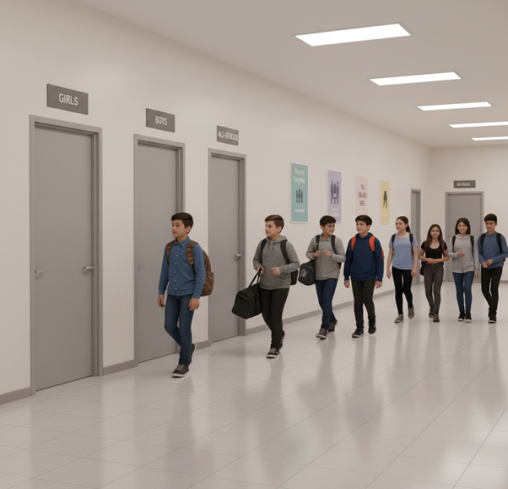
Gender-Sensitive Policies for School Changing Rooms: A Practical Guide for Safer Spaces
Next Article
Preparing Schools for Earthquakes: A Practical Readiness Guide

Related to this topic:

rocket-icon rocket-icon rocket-icon

Learn What Makes Schools Truly Safe

Receive safety guides, policy updates, and best practices from global experts.

We care about your Personnel Data. Please check Privacy Policy