ESC

What are you looking for?

ESC

What are you looking for?

Shopping cart

Your favorites

You have not yet added any recipe to your favorites list.

Browse recipes

Schedule your 15-minute demo now

We’ll tailor your demo to your immediate needs and answer all your questions. Get ready to see how it works!

0
0
×

School E-Shop

Earthquake Readiness in Schools

Earthquakes are sudden, unpredictable, and can be devastating—especially in schools where large groups of children and adults gather daily. Preparing schools for earthquakes is not just a compliance exercise; it is a core responsibility for protecting students, staff, and the wider community.

Many school buildings, especially older ones, may not fully meet current seismic safety standards. This increases the risk of structural damage, falling debris, and injuries. Crowded classrooms, hallways, and cafeterias can make safe evacuation more challenging if there is no clear plan. That is why proactive, well-practiced preparedness is essential.

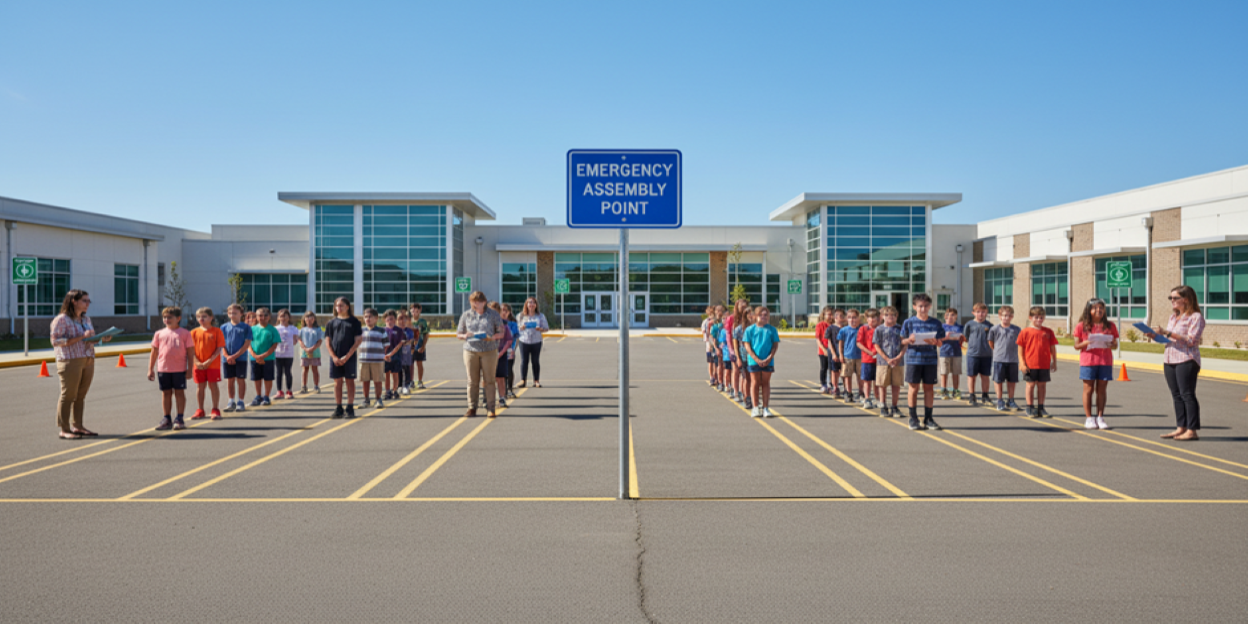
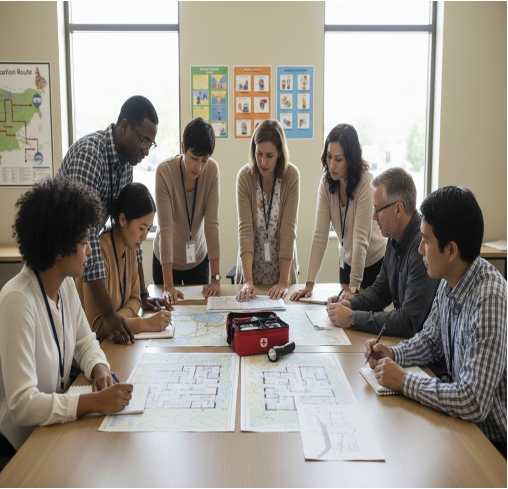
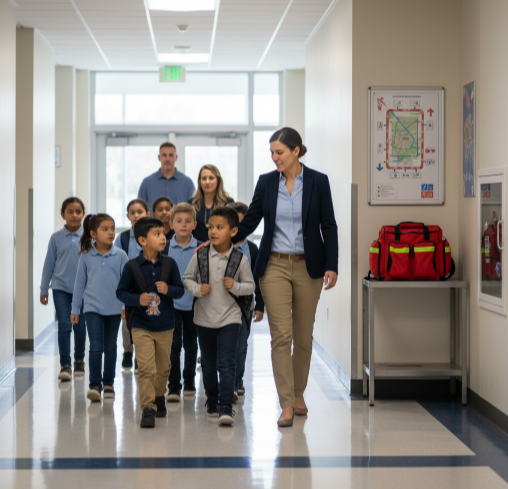
A strong earthquake emergency plan is the foundation of readiness. Every school should clearly define evacuation routes, safe assembly areas away from buildings, and backup locations if primary sites are unsafe. Communication protocols must specify who makes decisions, how instructions are relayed to classrooms, and how families are informed during and after an event. Easily accessible emergency kits—with first-aid supplies, drinking water, flashlights, batteries, whistles, and basic tools—should be placed in key locations like the office, staff rooms, and selected classrooms.

Drills are where plans become real. Regular earthquake drills help students and staff remember “Drop, Cover, and Hold On”: drop to the ground, take cover under a sturdy desk or table, and hold on until the shaking stops. Practicing how to protect the head and neck, how to move only when safe, and how to exit the building calmly after shaking reduces panic and confusion during a real earthquake. Including different scenarios—such as drills during class changes, lunchtime, or assemblies—builds real-world readiness.

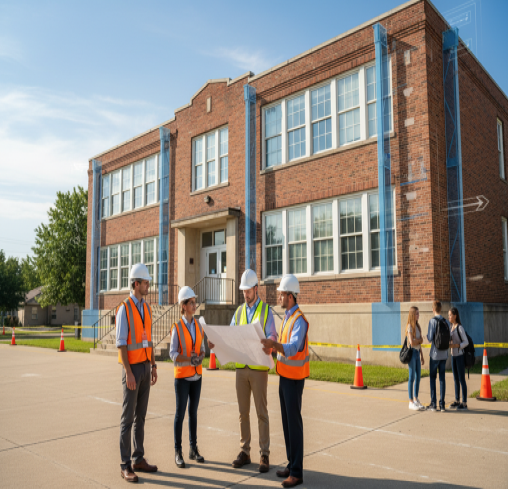
Physical safety of the environment is equally critical. Schools should schedule periodic seismic assessments by qualified professionals to identify vulnerabilities. Retrofitting older buildings, reinforcing walls and ceilings, and upgrading non-structural elements can significantly reduce harm. Inside classrooms and offices, heavy cupboards, bookshelves, and equipment should be anchored to walls. Overhead projectors, fans, and fixtures must be securely mounted. Clear pathways for evacuation must be maintained at all times.

Finally, earthquake preparedness should be part of the school safety culture. Orientation for new staff, child-friendly safety education for students, and clear information for parents all contribute to a shared understanding of what to do before, during, and after an earthquake.

Preparedness saves lives. When schools invest in strong plans, frequent drills, and safer infrastructure, they do more than comply with guidelines—they build confidence, reduce fear, and protect their entire community when the ground starts to shake. Now is the time for every school to review, strengthen, and practice its earthquake readiness plan.

Prev Article
Preventing Bullying in School Changing Rooms: Turning Hidden Spaces into Safe Spaces
Next Article
Retrofitting Schools for Earthquake Resilience: A Practical Safety Guide

Related to this topic:

rocket-icon rocket-icon rocket-icon

Learn What Makes Schools Truly Safe

Receive safety guides, policy updates, and best practices from global experts.

We care about your Personnel Data. Please check Privacy Policy