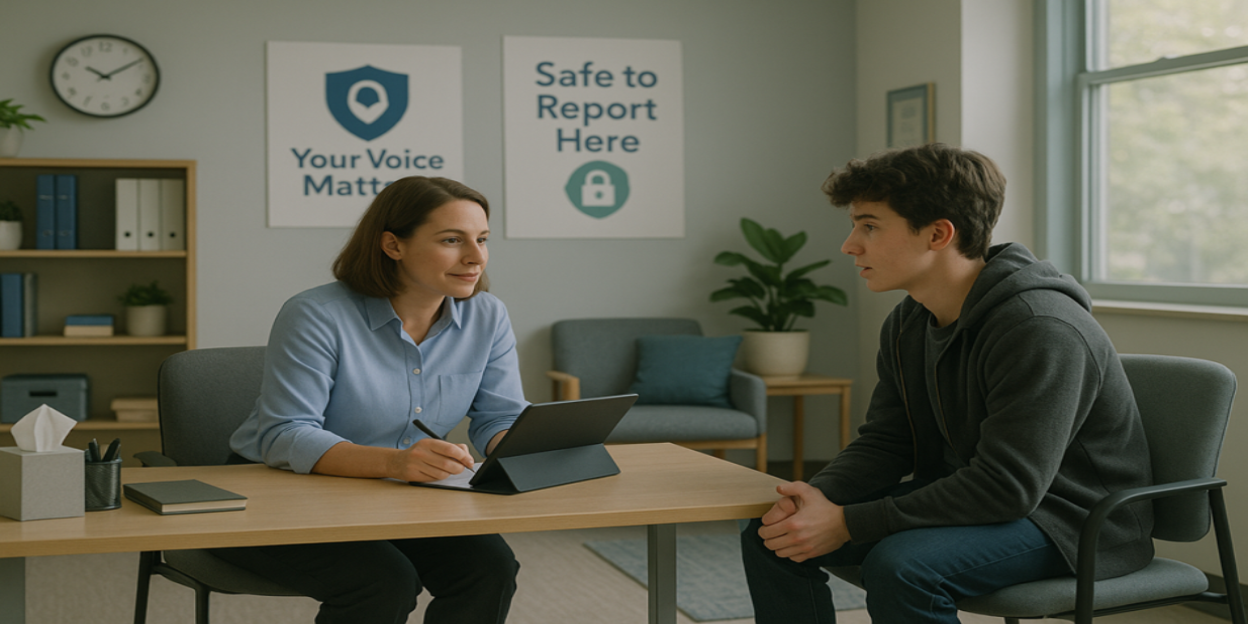
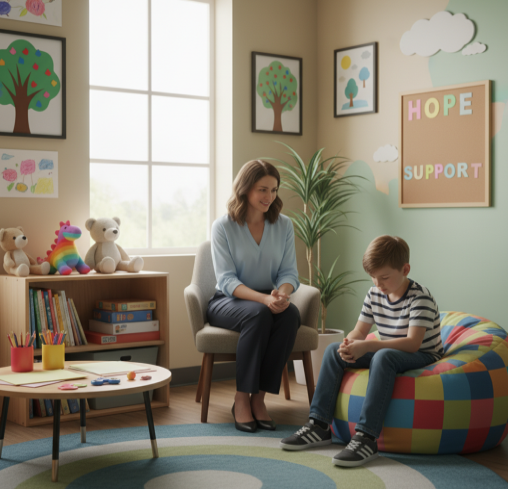
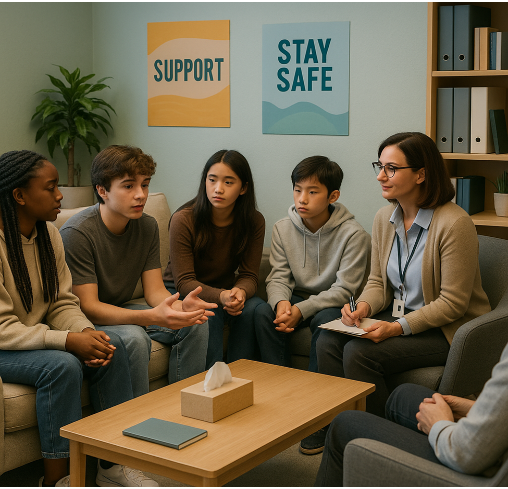
Effective abuse reporting systems are one
of the strongest safeguards a school can put in place to protect children. When
students, staff, and parents know how to report concerns—and trust that
reports will be taken seriously—schools can intervene early, prevent further
harm, and build a genuine culture of safety.
1. Why Reporting Systems Matter
Abuse often continues in silence when
children feel afraid, ashamed, or unsure whom to tell. A clear, visible
reporting process helps:
- Stop ongoing abuse quickly
- Identify patterns or repeat concerns
- Support timely referrals to child protection services
- Show children that adults are ready to listen and act
Prompt reporting is not just a
procedure—it’s a life-changing protection measure.
2. Characteristics of an Effective
System
A strong school abuse reporting system
should be:
- Accessible: Multiple reporting
channels—trusted staff, written forms, secure digital tools, and anonymous
options where appropriate.
- Confidential: Information is shared
only with those who need to know, following policy and law.
- Accountable: Every report is
logged, reviewed, and followed up. There are clear timelines and
responsible persons.
Policies should be written in simple
language and displayed where students, parents, and staff can easily see and
understand them.
3. Steps in Reporting Suspected Abuse
Schools should outline a simple,
step-by-step process such as:
- Recognize signs of possible abuse
(unexplained injuries, behavioral changes, fear of certain adults,
disclosures).
- Record what you saw or heard—facts
only, in the child’s own words when possible.
- Report immediately to the
designated safeguarding lead or school child protection officer.
- Refer to external agencies (child
protection services, police) as required by law and policy.
- Review and document each action
taken and maintain secure records.
Training staff regularly on these steps is
essential.
4. Legal and Ethical Considerations
Schools have a duty of care to
protect students from harm. Many regions have mandatory reporting laws
that require school staff to report suspected abuse to authorities. Systems
must also address:
- How to manage reports about staff members
- Protection from retaliation for those who report in good faith
- Fair processes for handling false or unsubstantiated
accusations, ensuring both child safety and staff rights
Clear policies, applied consistently,
reduce confusion and risk.
5. Supporting the Victim
Reporting is only the beginning. Children
who experience or disclose abuse need:
- Access to school counselors or external mental health
professionals
- A safe adult in school who regularly checks in
- Adjustments to learning or environment if needed
- Ongoing follow-up, not just a one-time meeting
Support should be trauma-informed,
respectful, and child-centered.
6. Technology and Innovation in
Reporting
Digital tools can strengthen school
reporting systems, such as:
- Secure online reporting forms or apps
- Encrypted record-keeping systems
- Anonymous reporting platforms for students
- Automated alerts to designated safeguarding leads
Used thoughtfully, technology makes it
easier to report concerns early and ensures they are not lost or ignored.
By investing in clear policies, staff
training, child-friendly communication, and reliable reporting tools, schools
move beyond slogans about safety—and create environments where children are
genuinely heard, protected, and able to thrive.
Prev Article
Empowering Educators to Identify and Prevent Child Abuse
Next Article
Supporting Child Abuse Victims in Schools: A Holistic, Child-Centered Approach