ESC

What are you looking for?

ESC

What are you looking for?

Shopping cart

Your favorites

You have not yet added any recipe to your favorites list.

Browse recipes

Schedule your 15-minute demo now

We’ll tailor your demo to your immediate needs and answer all your questions. Get ready to see how it works!

0
0
×

School E-Shop

Holistic School Support for Victims

Schools are often the first safe place where abused children are noticed, heard, and supported. When a child discloses abuse—or when abuse is suspected—the school’s response can deeply influence their healing, trust in adults, and future learning. A holistic approach ensures that support goes beyond a one-time intervention and becomes an ongoing, coordinated effort.

1. Understanding the Needs of Victims
Children who have experienced abuse may show a mix of emotional, physical, and academic challenges. Emotionally, they may be anxious, withdrawn, fearful, overly compliant, or unexpectedly aggressive. Physically, they might show fatigue, frequent psychosomatic complaints (headaches, stomach aches), or visible injuries. Academically, they may struggle to focus, show sudden drops in performance, or avoid school altogether. Staff should understand that these behaviours are often survival responses—not “misconduct”—and must be met with patience and care.

2. Counseling and Therapy
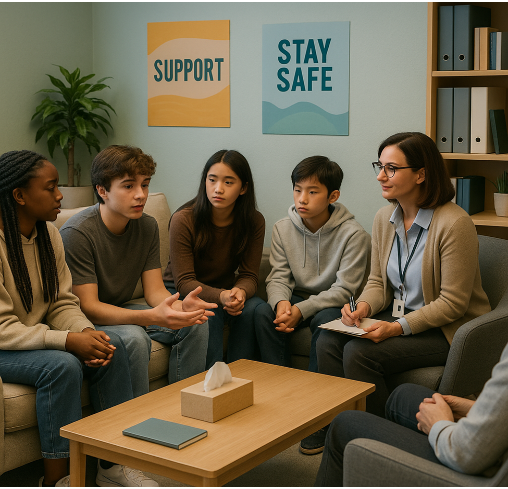
Trauma-informed counseling is central to recovery. Schools should maintain a clear referral pathway to qualified child psychologists, counselors, or social workers. Within school, a designated counselor or trained staff member should:

  • Offer a safe, private space for the child.
  • Use child-friendly communication and play-based or art-based techniques when appropriate.
  • Coordinate with external mental health professionals while protecting confidentiality and following mandated reporting laws.

3. Peer Support Programs
Safe peer relationships can reduce isolation and shame. Structured peer support—such as buddy systems, social skills groups, or well-facilitated circles—can offer belonging without exposing the child’s history. Programs must be supervised by adults trained in boundaries, inclusion, and sensitivity to trauma.

4. Building Resilience
Recovery involves helping children rediscover their strengths. Schools can:

  • Encourage participation in arts, sports, clubs, or leadership roles.
  • Teach coping skills (deep breathing, journaling, problem-solving).
  • Reinforce small successes, not just academic achievements.
    Resilience-building should be gentle and voluntary, never forcing a child into visibility they are not ready for.

5. Parental and Caregiver Involvement
Where it is safe and appropriate, parents or non-abusive caregivers should be actively involved. Schools can provide regular updates, share strategies to support the child at home, and connect families with community services. In cases where a parent is implicated in the abuse, schools must strictly follow legal guidelines, work with child protection authorities, and prioritize the child’s safety above all.

6. Monitoring and Follow-up
Support cannot end after the initial crisis. A simple monitoring plan—including regular check-ins, academic tracking, and behavior observations—helps ensure the child’s needs are continuously met. A confidential team (e.g., counselor, class teacher, school leader) should review progress, adapt strategies, and maintain communication with external agencies when involved.

When schools respond with empathy, structure, and sustained support, they do more than manage a case—they help rebuild a child’s sense of safety, dignity, and hope.

Prev Article
Creating Safe Schools Through Effective Abuse Reporting Systems
Next Article
Understanding the Role of Psychometric Testing in School Safety

Related to this topic:

rocket-icon rocket-icon rocket-icon

Learn What Makes Schools Truly Safe

Receive safety guides, policy updates, and best practices from global experts.

We care about your Personnel Data. Please check Privacy Policy