ESC

What are you looking for?

ESC

What are you looking for?

Shopping cart

Your favorites

You have not yet added any recipe to your favorites list.

Browse recipes

Schedule your 15-minute demo now

We’ll tailor your demo to your immediate needs and answer all your questions. Get ready to see how it works!

0
0
×

School E-Shop

Earthquake Drill Best Practices

When disaster strikes, response time is measured in seconds—not minutes. In earthquake-prone regions, schools have a responsibility to ensure that both students and staff know exactly what to do when the ground starts to shake. Well-planned earthquake drills transform fear and confusion into calm, practiced action.

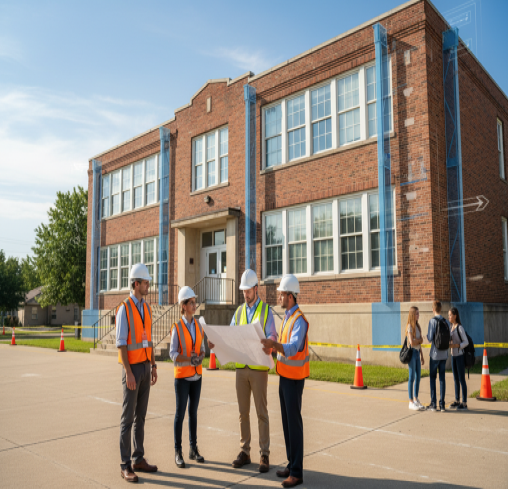
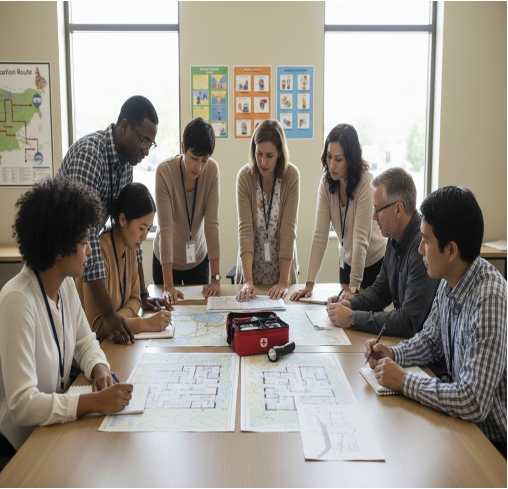
Effective earthquake drills begin long before the alarm sounds. School administrators should start by mapping safe evacuation routes from every classroom, lab, office, and common area. These routes must avoid hazards such as glass walls, display boards, or heavy equipment. Clear, visible signage and backup routes are essential in case primary paths are blocked. Designated assembly points—open spaces away from buildings, trees, poles, and power lines—must be identified and communicated to all.

Staff roles should be assigned in advance: who leads each class, who assists students with disabilities or additional needs, who checks washrooms and corridors, and who manages first-aid and communication. Conducting short orientation sessions with staff ensures everyone understands their responsibilities.

During the drill, focus first on the most critical life-saving action: “Drop, Cover, and Hold On.” Students and staff should be trained to drop to their hands and knees, cover their head and neck, and take shelter under a sturdy desk or table, holding on until the shaking stops. This simple, practiced move significantly reduces the risk of injury from falling objects and debris.

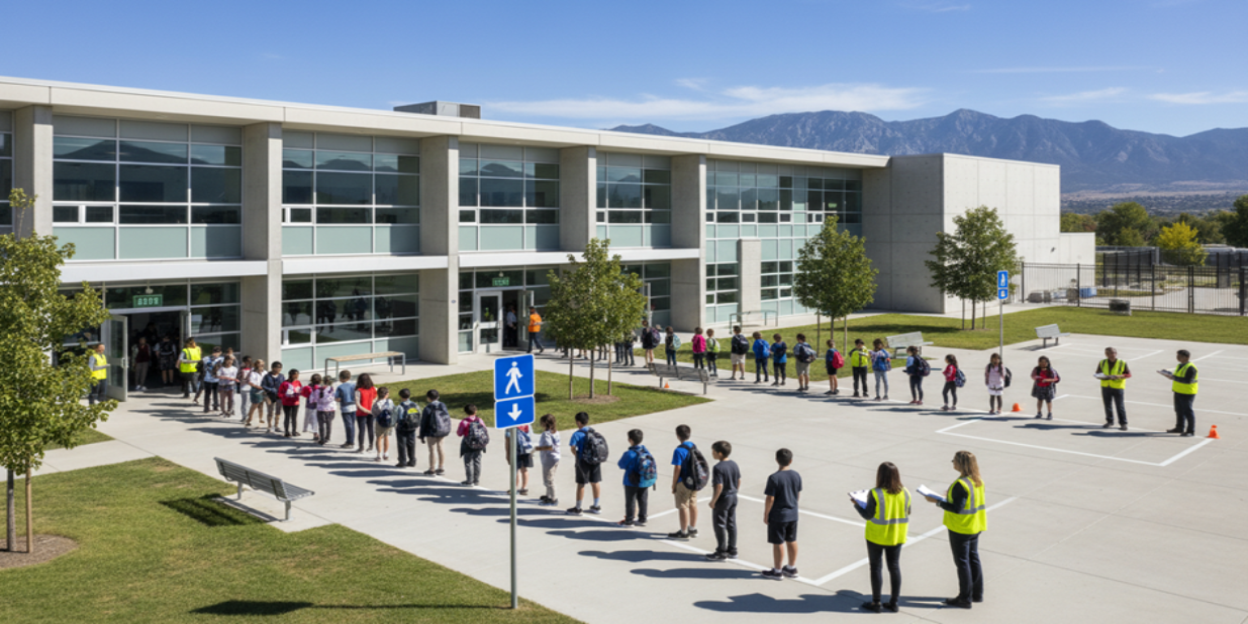
Once the simulated shaking “stops,” teachers should guide classes to evacuate in a calm, single-file line, leaving belongings behind. Staircases must be used instead of elevators. Staff should close doors (without locking) to limit fire spread risks. Reaching the assembly area, teachers quickly line up students, maintain distance from buildings, and begin roll call.

Accountability is non-negotiable. Each teacher must have an updated class list, and a central coordinator or incident commander should collect status updates from every class. Any missing or injured students or staff must be immediately reported as part of the drill scenario.

The most overlooked—but most valuable—part of any drill is the post-drill analysis. After the exercise, conduct a short debrief with staff and, where appropriate, with students. What went well? Were there bottlenecks in hallways or stairwells? Did everyone hear and understand the signal? Was roll call accurate and fast? Document these observations and update procedures, routes, and role assignments accordingly.

Regular, well-planned earthquake drills build muscle memory, reduce panic, and create a culture where safety is part of everyday school life. When schools treat drills as serious learning tools rather than checkbox activities, they greatly increase the chances that, in a real emergency, every student and staff member knows exactly what to do and where to go.

Prev Article
Retrofitting Schools for Earthquake Resilience: A Practical Safety Guide
Next Article
The Psychological Impact of Earthquakes on Students: How Schools Can Help

Related to this topic:

rocket-icon rocket-icon rocket-icon

Learn What Makes Schools Truly Safe

Receive safety guides, policy updates, and best practices from global experts.

We care about your Personnel Data. Please check Privacy Policy