ESC

What are you looking for?

ESC

What are you looking for?

Shopping cart

Your favorites

You have not yet added any recipe to your favorites list.

Browse recipes

Schedule your 15-minute demo now

We’ll tailor your demo to your immediate needs and answer all your questions. Get ready to see how it works!

0
0
×

School E-Shop

Supporting Students After Earthquakes

Earthquakes do not only shake buildings—they also shake a child’s sense of safety. While schools often focus on physical preparedness, the psychological impact on students can be just as serious and long-lasting. Understanding these emotional effects is essential for any school or child care setting located in an earthquake-prone region.

Immediate Reactions: What Happens During and Right After

During an earthquake, many students may experience intense fear, confusion, and panic. Alarms, shaking furniture, loud noises, and rushing adults can overwhelm a child’s ability to process what is happening. Even if no one is physically hurt, the sudden loss of control can leave a deep emotional mark.

In the hours and days that follow, some children may appear clingy, withdrawn, unusually quiet, or overly talkative. These are normal, short-term stress reactions—but they still need to be noticed and supported.

Long-Term Psychological Effects

If not addressed, the experience can lead to:

  • Ongoing anxiety or heightened startle response
  • Nightmares or difficulty sleeping
  • Trouble concentrating in class
  • Avoidance of certain places (e.g., classrooms, corridors, staircases)
  • Re-living the event during drills or aftershocks

These signs may be more subtle in older students, who might hide their worries behind jokes, silence, or irritability.

How Schools Can Provide Support

  1. Counseling Services
    • Ensure access to school counselors or psychologists trained in trauma-informed care.
    • Offer one-on-one sessions for highly affected students, and small group sessions for shared processing.
    • Create simple self-referral systems so students can ask for help without stigma.
  2. Peer Support Groups
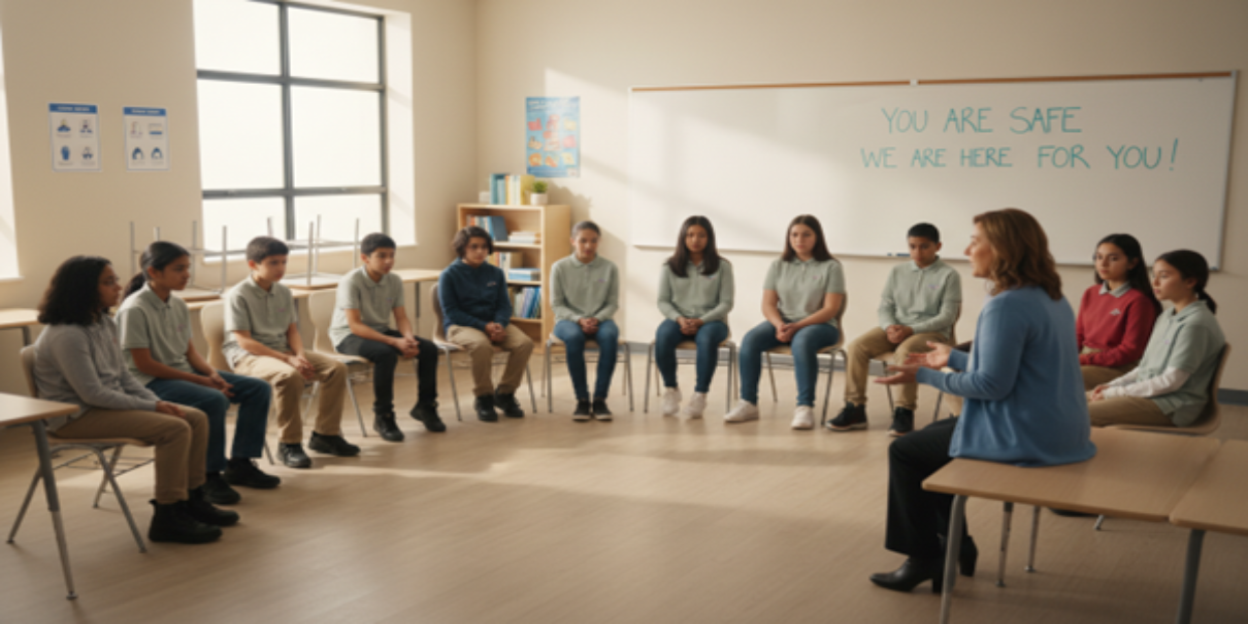
    • Facilitate guided sharing circles where students can talk about their experiences and feelings.
    • Train peer leaders to recognize signs of distress and to listen without judgment.
    • Use activities like drawing, storytelling, or journaling to help younger children express emotions.

Building Resilience Before and After Earthquakes

  1. Education and Preparedness
    • Teach students what earthquakes are, what to expect, and what safety steps to follow.
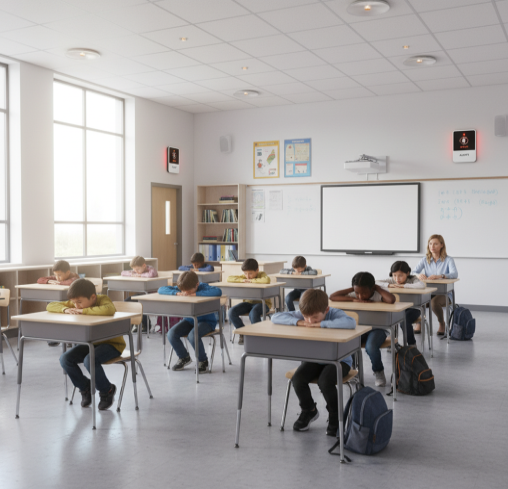
    • Practice regular, calm drills, emphasizing “We know what to do” instead of “This is scary.”
    • Empower students with roles during drills (line leader, buddy checker) to increase their sense of control.
  2. Maintaining Predictable Routines
    • Return to normal schedules as soon as safely possible.
    • Keep familiar classroom rituals—morning meetings, story time, or circle time—to rebuild security.
    • Inform students clearly about any changes so they are not left guessing.

Mental Safety Is Safety

Addressing the psychological impact of earthquakes is not optional—it is a core part of school safety. When schools recognize emotional reactions, provide structured support, and actively build resilience, students are far more likely to recover, continue learning, and feel safe again.

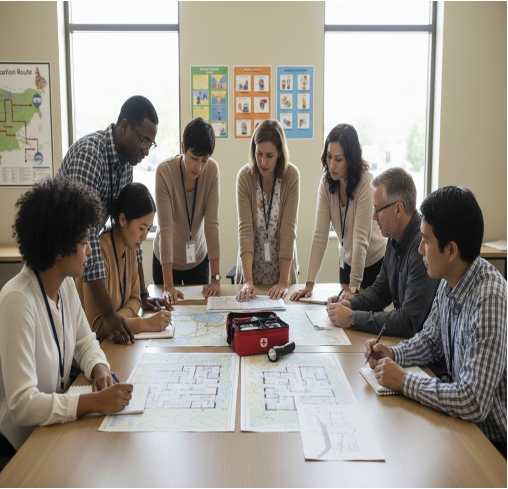
School leaders and educators should review their earthquake plans today and ensure they include mental health support, not just physical procedures. A prepared school protects both minds and bodies.

Prev Article
Conducting Earthquake Drills in Schools: Best Practices for Real Preparedness
Next Article
The Role of Technology in Earthquake Preparedness for Schools

Related to this topic:

rocket-icon rocket-icon rocket-icon

Learn What Makes Schools Truly Safe

Receive safety guides, policy updates, and best practices from global experts.

We care about your Personnel Data. Please check Privacy Policy