ESC

What are you looking for?

ESC

What are you looking for?

Shopping cart

Your favorites

You have not yet added any recipe to your favorites list.

Browse recipes

Schedule your 15-minute demo now

We’ll tailor your demo to your immediate needs and answer all your questions. Get ready to see how it works!

0
0
×

School E-Shop

Tech Tools for Safer Quakes

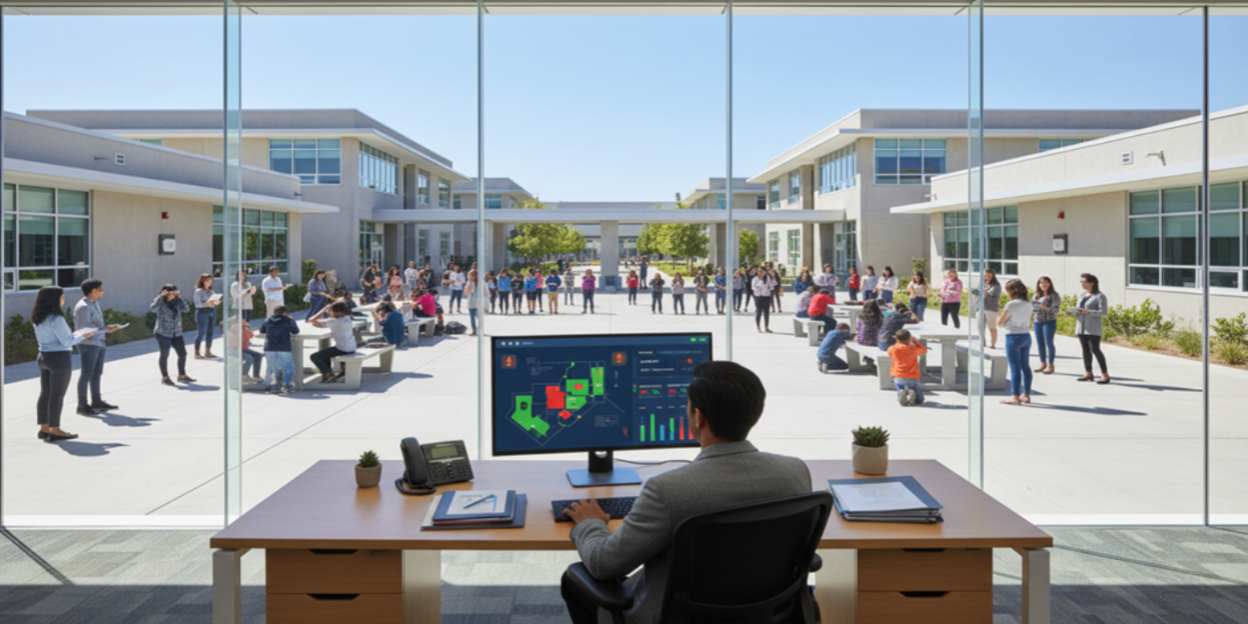
Earthquakes strike without warning, but schools don’t have to be unprepared. Today’s technology offers powerful tools that help administrators, teachers, and students respond faster and more safely when the ground starts to shake. When combined with strong planning and regular drills, these tools can significantly reduce risk and confusion during a real event.

Early Warning Systems: Gaining Precious Seconds
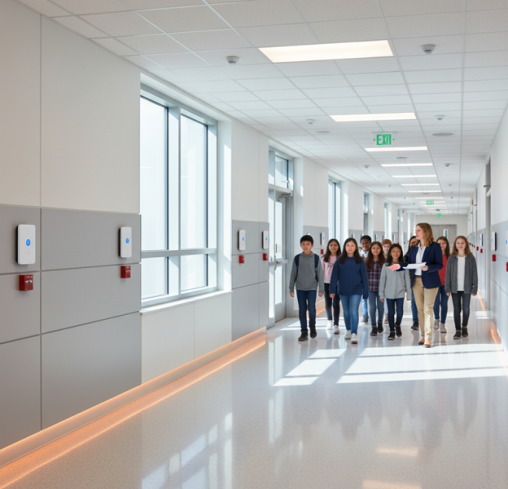
Modern seismic sensors can detect the first waves of an earthquake and trigger alerts before the stronger shaking begins. Even a 5–20 second warning can make a difference in a school setting. During this brief window, teachers can instruct students to “Drop, Cover, and Hold On,” move away from windows, and stop activities that could cause injury. Integrating early warning systems with school-wide PA systems, classroom speakers, and visual displays helps ensure the alert reaches everyone quickly.

Emergency Communication Tools: Keeping Everyone Informed
Reliable communication is critical once an earthquake occurs. Mobile apps, mass notification platforms, and SMS alert systems allow school leaders to send clear, consistent instructions to staff and families in seconds. These tools can share information such as evacuation routes, assembly areas, and reunification procedures. Parents are more likely to remain calm when they receive timely, accurate updates about their children’s safety and school status.

Digital Training Resources: Practicing Without Panic
Technology also transforms how schools train for earthquakes. Interactive simulations, videos, online modules, and even virtual reality scenarios can walk students and staff through what to do before, during, and after a quake. These tools make drills more engaging and memorable, especially for younger learners. They also support staff training on roles, responsibilities, and coordination with local emergency services.

Challenges and Limitations to Consider
Despite the benefits, schools must plan around several challenges:

  1. Accessibility: Not all schools have the budget for advanced early warning systems or sophisticated apps. Decision-makers should prioritize essential tools and explore grants, government programs, or partnerships.
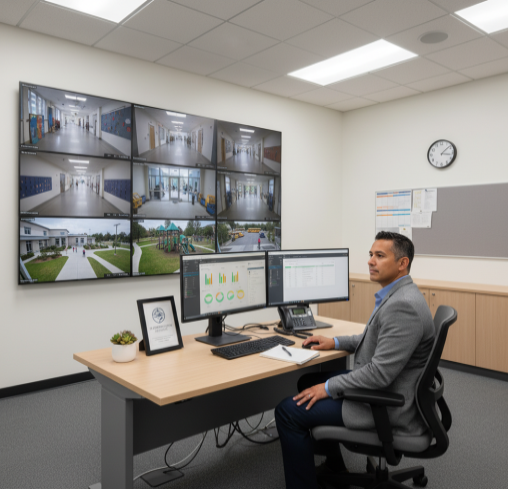
  2. Maintenance: Technology only works if it’s functional. Systems need regular testing, updates, and clear ownership—someone must be responsible for monitoring and upkeep.

Building a Safer Future with Smart Choices
Technology alone won’t keep students safe, but it is a powerful support to strong policies, well-practiced drills, and informed staff. By thoughtfully integrating early warning systems, communication tools, and digital training resources, schools can greatly improve their earthquake preparedness and protect the lives of students and staff.

School leaders should review their current earthquake plan, identify where technology can close gaps, and begin with one or two high-impact tools—then train, test, and improve regularly.

Prev Article
The Psychological Impact of Earthquakes on Students: How Schools Can Help
Next Article
Understanding Child Abuse and How Schools Can Help Keep Children Safe

Related to this topic:

rocket-icon rocket-icon rocket-icon

Learn What Makes Schools Truly Safe

Receive safety guides, policy updates, and best practices from global experts.

We care about your Personnel Data. Please check Privacy Policy