ESC

What are you looking for?

ESC

What are you looking for?

Shopping cart

Your favorites

You have not yet added any recipe to your favorites list.

Browse recipes

Schedule your 15-minute demo now

We’ll tailor your demo to your immediate needs and answer all your questions. Get ready to see how it works!

0
0
×

School E-Shop

Safer Play Through Age Design

Designing Age-Appropriate Play Areas

Children do not all play—or fall—the same way. Their bodies, balance, and problem-solving skills develop rapidly from ages 2 to 12. When a Playground doesn’t reflect these differences, the risk of injuries increases. Thoughtful, age-appropriate design helps schools and child care centers create play spaces that are both fun and safe.

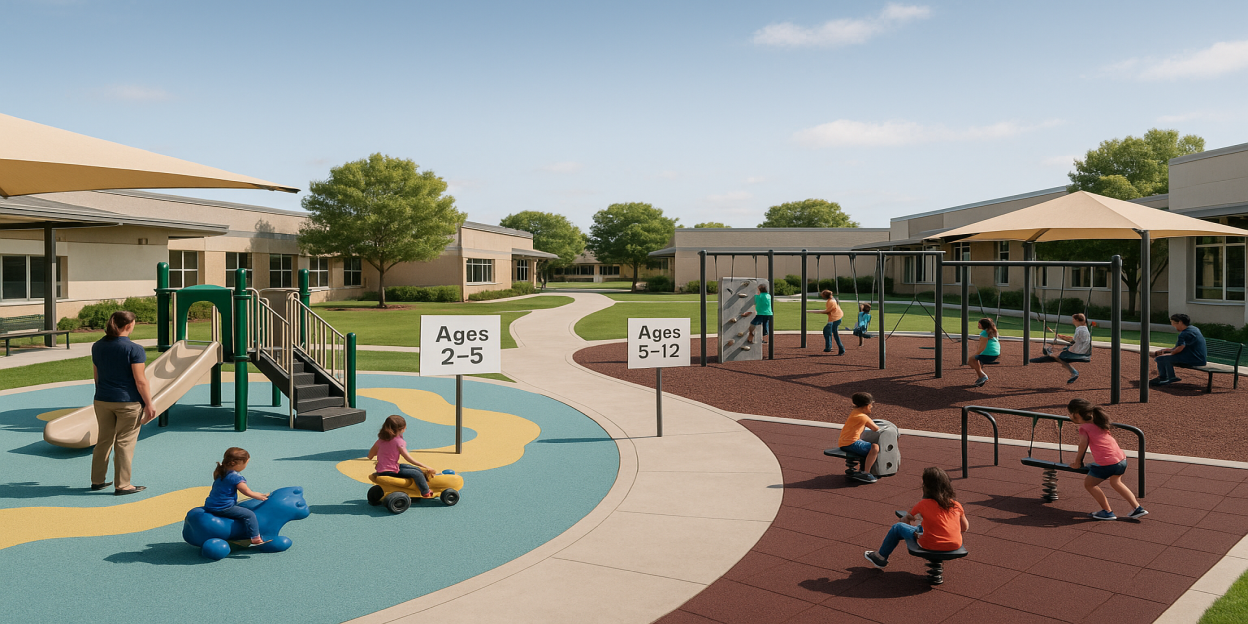
Age segregation is one of the most effective strategies. Younger children (ages 2–5) have limited coordination, shorter reach, and less strength. They need smaller, simpler equipment and highly cushioned environments to protect them as they learn basic motor skills. Older children (ages 5–12) are ready for more complex challenges that build upper body strength, balance, and confidence.

Toddler Zones (Ages 2–5)

Toddler areas should prioritize stability, soft landings, and simple movements:

  • Small slides with short inclines and low exit heights.
  • Low platforms and short steps that encourage climbing without exposing children to dangerous fall heights.
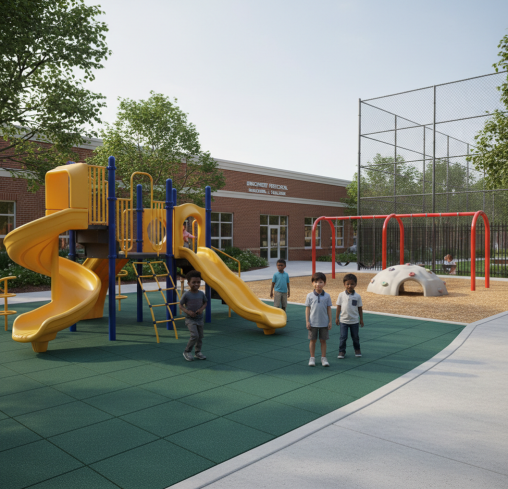
  • Cushioned, impact-absorbing surfaces that reduce the severity of injuries from frequent trips and falls.

These features allow toddlers to explore independently within a controlled, safer environment.

Elementary Play Areas (Ages 5–12)

For older children, slightly more risk—when managed well—is beneficial and developmentally appropriate:

  • Climbing walls, monkey bars, and rope bridges that challenge coordination and upper body strength.
  • Swings with sturdy chains and ergonomic seats designed for larger, more active children.
  • Obstacle course-style layouts that promote problem-solving, endurance, and cooperative play.

These structures keep older children engaged and less likely to misuse toddler equipment, which often leads to accidents.

Practical Implementation Tips for Schools

A safe, age-appropriate Playground is as much about layout and management as it is about equipment:

  • Use contrasting colors and clear signage to define age-specific zones so families, staff, and students instantly know where each child belongs.
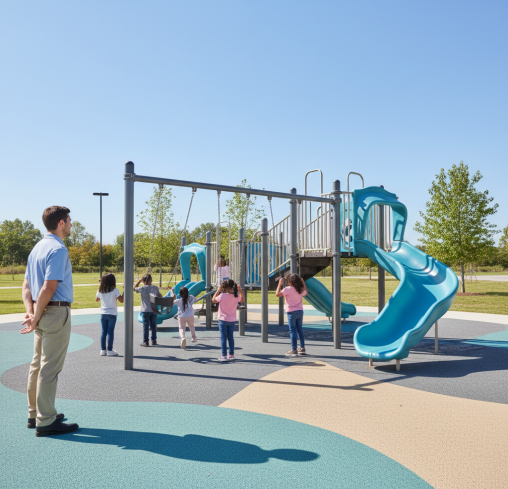
  • Provide comfortable seating and shaded areas for parents, guardians, and teachers to supervise children effectively.
  • Involve your community—conduct brief focus groups or surveys with students, parents, and staff to understand their needs, concerns, and cultural considerations.

Designing play areas tailored to specific age groups supports inclusivity, reduces overcrowding, and significantly lowers the risk of injuries. When schools and child care centers invest in age-appropriate Playgrounds, they are not just installing equipment—they are building safer, smarter environments where children can grow, explore, and thrive.

Prev Article
Spotting Hidden Dangers Common Playground Hazards Schools Must Address
Next Article
Why Impact-Absorbing Surfaces Matter in Every Playground

Related to this topic:

rocket-icon rocket-icon rocket-icon

Learn What Makes Schools Truly Safe

Receive safety guides, policy updates, and best practices from global experts.

We care about your Personnel Data. Please check Privacy Policy