ESC

What are you looking for?

ESC

What are you looking for?

Shopping cart

Your favorites

You have not yet added any recipe to your favorites list.

Browse recipes

Schedule your 15-minute demo now

We’ll tailor your demo to your immediate needs and answer all your questions. Get ready to see how it works!

0
0
×

School E-Shop

Making School Hostels Truly Safe

School hostels give students a unique opportunity to grow—away from home but within a structured, supervised environment. Along with independence and friendship, however, comes a critical responsibility for schools: ensuring every hostel resident is safe, protected, and supported.

Common Safety Concerns in Hostels

  1. Bullying and Harassment
    Bullying in hostels can be subtle or severe—and often happens out of sight. Schools should implement strict anti-bullying policies, make them part of the hostel orientation, and ensure students know how to report issues confidentially. Anonymous reporting mechanisms, regular check-ins by wardens, and clear consequences for misconduct help create a respectful culture.
  2. Unauthorized Entry
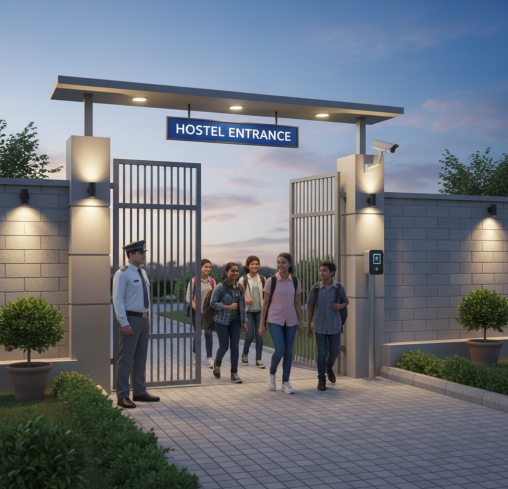
    Open hostel gates and unsecured doors increase the risk of intruders or unauthorized visitors. Schools should use access control measures such as biometric entry, smart cards, or coded locks. A proper visitor log, ID checks, and time-bound visitor permissions ensure only authorized people can enter hostel premises.
  3. Health and Hygiene
    Shared living spaces can quickly become unhygienic if not monitored. Regular health checkups, cleanliness inspections, and awareness sessions on personal hygiene, menstrual hygiene, and disease prevention are essential. Adequate toilets, clean drinking water, proper waste disposal, and pest control must be non-negotiable standards.
  4. Emergency Preparedness
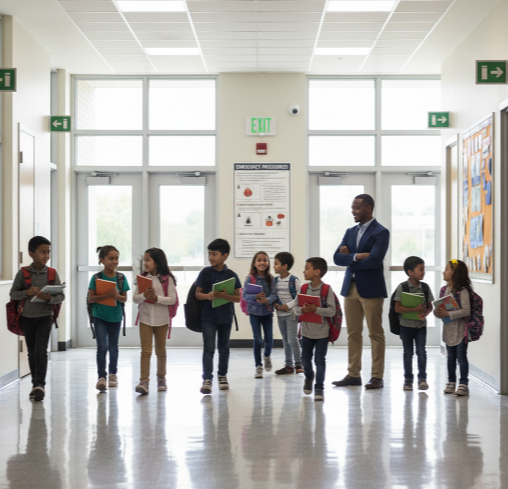
    Hostels must be ready for fire, medical emergencies, or natural disasters. Clearly displayed evacuation routes, functional fire extinguishers, smoke detectors, and periodic fire and evacuation drills prepare students and staff to respond calmly and quickly. Emergency contact numbers should be visible on every floor.

Building Effective Safety Policies

  • Clear Hostel Rules
    Define acceptable and unacceptable behavior, curfew times, guest rules, and use of gadgets. Communicate these rules to students and parents, and apply structured, fair disciplinary actions when needed.
  • Supportive Staff Presence
    Resident wardens, matrons, or advisors should be approachable, trained in child protection, basic counseling, and conflict resolution. Their role is not just to enforce rules, but to listen, guide, and observe early signs of distress.
  • Technology Integration
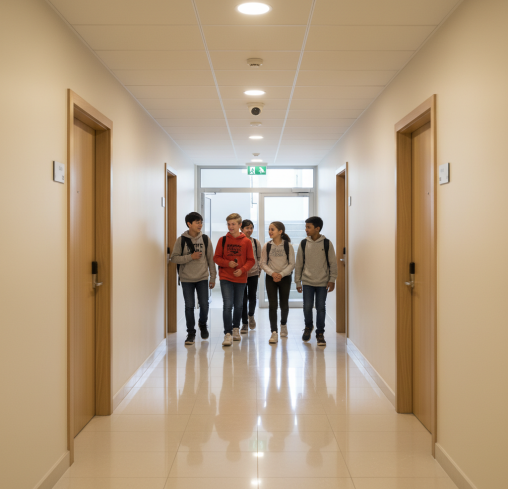
    Smart locks, CCTV in common areas, panic buttons in corridors, and real-time alerts to security or management during emergencies can significantly strengthen hostel safety when used ethically and with clear privacy guidelines.

Engaging Students in Their Own Safety

When students are part of the safety system, compliance improves. Leadership programs, peer mentors, and student safety committees can help monitor common areas, support juniors, and share feedback with management. Safety talks, suggestion boxes, and regular meetings make students feel heard and responsible.

Safe school hostels don’t happen by chance—they are the result of clear policies, trained staff, engaged students, and informed parents working together. By proactively addressing bullying, access control, hygiene, and emergency readiness, schools can ensure hostel life is not just convenient, but truly safe, supportive, and enriching for every child.

Prev Article
The Role of Security Policies in Safe and Secure School Hostels
Next Article
Creating Safe, Inclusive, and Emergency-Ready School Hostels

Related to this topic:

rocket-icon rocket-icon rocket-icon

Learn What Makes Schools Truly Safe

Receive safety guides, policy updates, and best practices from global experts.

We care about your Personnel Data. Please check Privacy Policy