ESC

What are you looking for?

ESC

What are you looking for?

Shopping cart

Your favorites

You have not yet added any recipe to your favorites list.

Browse recipes

Schedule your 15-minute demo now

We’ll tailor your demo to your immediate needs and answer all your questions. Get ready to see how it works!

0
0
×

School E-Shop

Building Water-Safe School Communities

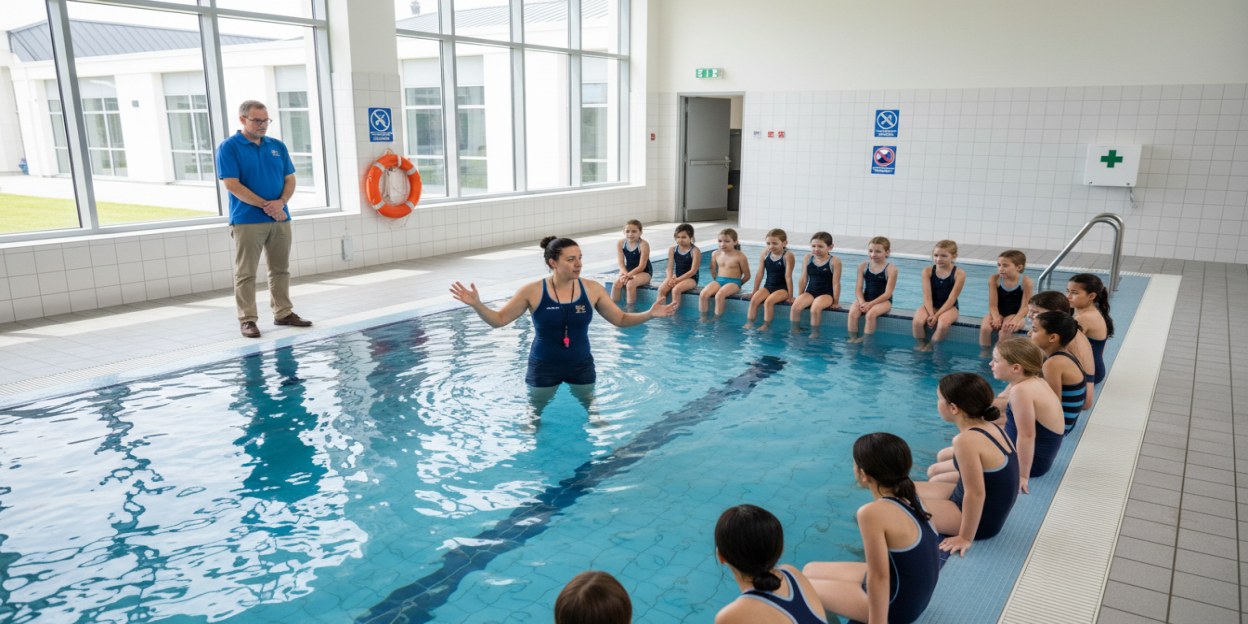
Water is a source of fun, fitness, and learning—but it also carries real risks when safety is neglected. For schools, educating students on water safety is not just an activity; it is a preventative strategy that protects lives and builds lifelong confidence around water.

A structured water safety program helps students understand both the joys and the dangers of aquatic environments—pools, water parks, lakes, and even school trips near water bodies. By combining skills, rules, responsibility, and practice, schools can significantly reduce the chances of accidents.

1. Start with Basic Swimming Skills

Teaching basic swimming techniques is the foundation of water safety. Every student should learn how to:

  • Float on their back
  • Tread water
  • Swim short distances in a controlled manner

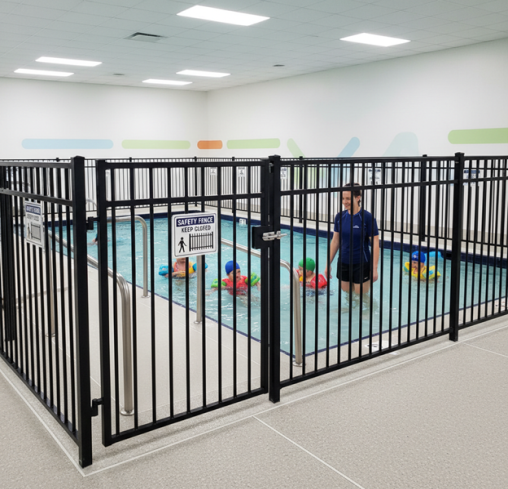
Making swimming lessons part of the curriculum, rather than an optional activity, ensures inclusive access. Age-appropriate sessions, qualified instructors, and clear supervision ratios are key to safe learning.

2. Establish Clear Water Safety Rules

Rules around water must be simple, visible, and consistently reinforced. Core rules include:

  • Only swim under adult supervision
  • No running, pushing, or horseplay near the pool
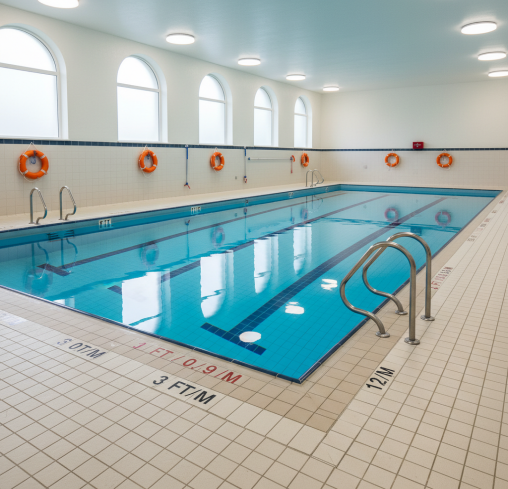
  • Respect depth markers and stay within allowed zones

Displaying rules on signage, revisiting them before every session, and integrating them into classroom discussions help convert rules into habits.

3. Teach Students to Recognize Danger Signs

Children should learn to notice when someone is in trouble, such as:

  • Struggling to keep their head above water
  • Silent or weak movements instead of active splashing
  • Calling for help or looking panicked

The message should be clear: do not attempt unsafe rescues themselves. Instead, they must immediately alert a lifeguard, teacher, or responsible adult.

4. Promote Peer Responsibility

Water safety is stronger when students look out for one another. Schools can:

  • Use buddy systems during swim sessions
  • Encourage students to check in with their partner regularly
  • Teach “see something, say something” as a core safety value

This builds accountability, empathy, and a shared sense of safety.

5. Use Mock Drills and Practical Exercises

Mock rescues, whistle drills, and evacuation practices make safety procedures memorable. Simple, supervised activities—like how to safely exit the pool in an emergency or how to respond when a whistle is blown—translate theory into action.

When schools treat water safety as a core part of education, not an extra, they create confident, responsible, and aware students.

Schools and child care centers should review their current water safety practices, integrate structured lessons and drills, and ensure every child is equipped with the knowledge and skills to stay safe in and around water.

Prev Article
Designing Safe and Child-Friendly Swimming Pool Areas in Schools
Next Article
Maintaining a Safe School Swimming Pool: Essential Tips for Administrators

Related to this topic:

rocket-icon rocket-icon rocket-icon

Learn What Makes Schools Truly Safe

Receive safety guides, policy updates, and best practices from global experts.

We care about your Personnel Data. Please check Privacy Policy