ESC

What are you looking for?

ESC

What are you looking for?

Shopping cart

Your favorites

You have not yet added any recipe to your favorites list.

Browse recipes

Schedule your 15-minute demo now

We’ll tailor your demo to your immediate needs and answer all your questions. Get ready to see how it works!

0
0
×

School E-Shop

Stronger Communication, Safer School Trips

School trips are powerful learning experiences, but they also carry added responsibility. Effective communication and meaningful parental involvement are two of the strongest safeguards for trip safety. When schools, parents, and students share clear information and expectations, risks can be managed and confidence increases for everyone.

Pre-Trip Communication with Parents
Before the trip, schools should communicate early, clearly, and in writing. A trip orientation meeting—virtual or in-person—helps parents understand:

  • The itinerary and educational purpose
  • Travel routes and modes of transport
  • Supervision ratios and staff responsibilities
  • Key risks and how they are being managed

A comprehensive consent form should collect essential medical information, allergies, special needs, and up-to-date emergency contacts. This not only protects students but also equips staff to respond quickly and appropriately if something goes wrong.

Keeping Parents Updated During the Trip
Parents feel more at ease when they know what’s happening. Establishing a real-time communication channel—such as a WhatsApp group, SMS broadcast, email list, or school app—allows schools to:

  • Confirm safe arrival at the destination
  • Share important updates or schedule changes
  • Inform parents about delays in return time
  • Quickly communicate in case of an emergency

Assigning a dedicated trip coordinator to handle communications ensures messages are timely, consistent, and accurate, rather than fragmented across different staff members.

Ensuring Student Awareness & Preparedness
Students themselves are an important part of the safety system. Before departure, schools should:

  • Explain destination-specific risks in age-appropriate language
  • Review rules for staying with the group and listening to instructions
  • Teach students what to do if separated from the group
  • Ensure they know key emergency contact numbers and who to approach for help

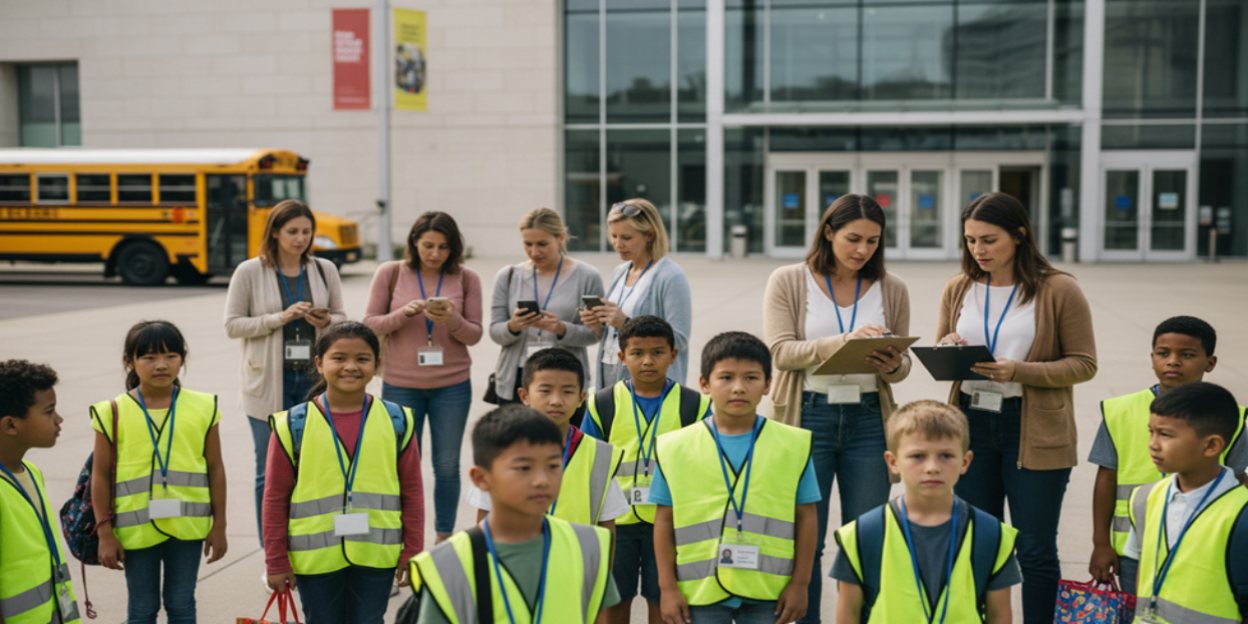
Simple tools—like ID cards with school contact details and grouping students with a “buddy”—can add extra layers of protection.

Post-Trip Debriefing and Improvement
After the trip, gathering feedback from parents, students, and staff helps strengthen future planning. Schools can ask:

  • Did parents feel well-informed at all stages?
  • Were any safety concerns not addressed in time?
  • What communication methods worked best (and which didn’t)?

Identifying safety or communication gaps and documenting lessons learned supports continuous improvement.

School leaders and educators should treat communication and parental involvement as core safety tools, not optional extras. Review your current trip communication plan, involve parents early, and create clear protocols for updates and emergencies—so every school trip is not only educational, but confidently safe.

Prev Article
Best Practices for Maintaining a Safe and Secure School Environment
Next Article
The Importance of a Comprehensive School Trips Policy

Related to this topic:

rocket-icon rocket-icon rocket-icon

Learn What Makes Schools Truly Safe

Receive safety guides, policy updates, and best practices from global experts.

We care about your Personnel Data. Please check Privacy Policy