ESC

What are you looking for?

ESC

What are you looking for?

Shopping cart

Your favorites

You have not yet added any recipe to your favorites list.

Browse recipes

Schedule your 15-minute demo now

We’ll tailor your demo to your immediate needs and answer all your questions. Get ready to see how it works!

0
0
×

School E-Shop

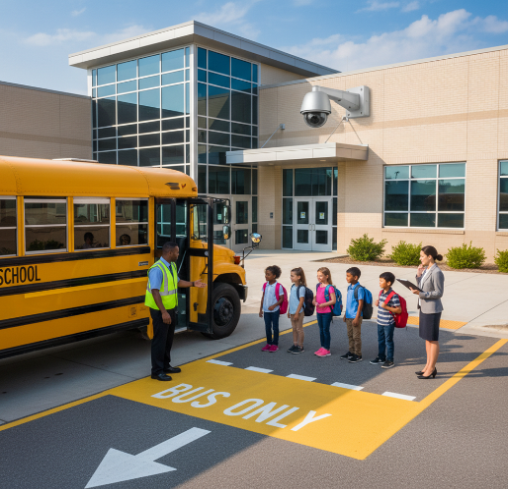
Building Safer School Trips

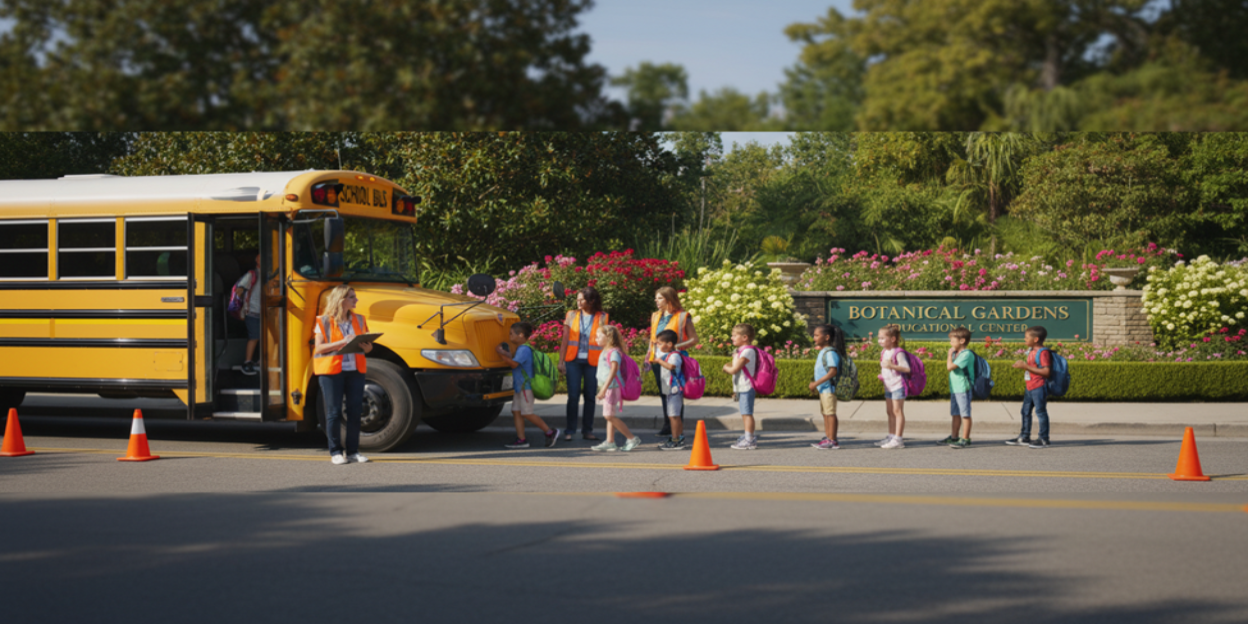
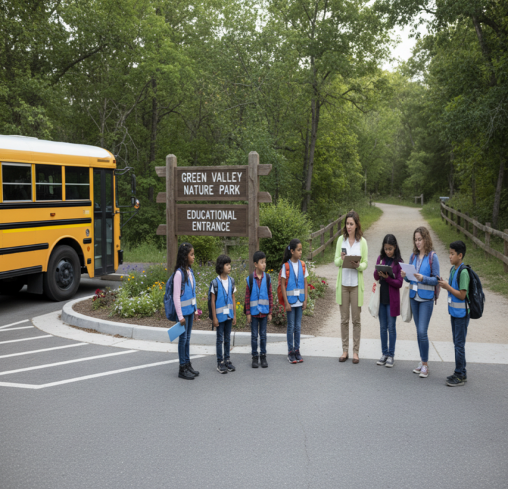
School trips are often students’ most memorable learning experiences. Whether it’s a visit to a historical monument, a science center, or a nature trail, these experiences bring classroom lessons to life. But behind every successful trip is a clear, comprehensive School Trips Policy that keeps students safe while enabling meaningful exploration.

A School Trips Policy is more than just a permission slip and a bus booking. It provides a structured framework that guides planning, supervision, communication, and emergency response from start to finish.

A strong policy begins by clearly defining the purpose of each trip. Every outing should have specific learning objectives—such as understanding local history, observing ecosystems, or building cultural awareness. Aligning the destination with the age and developmental level of students ensures the experience is not only engaging, but also appropriate and safe.

Risk assessment is at the heart of trip safety. Before any trip is approved, schools should systematically evaluate potential risks, including travel routes, transport modes, weather conditions, and destination-specific hazards. This process helps identify what precautions are needed: medical support, special equipment, safe meeting points, or alternative plans for adverse weather. Clear emergency protocols—who to contact, what steps to follow, and how to document incidents—ensure staff can respond quickly and calmly if something goes wrong.

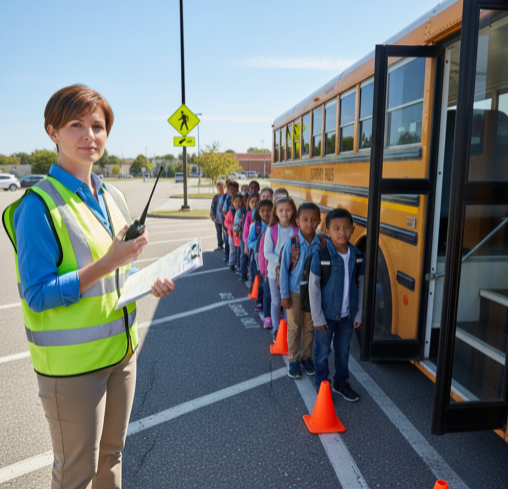
Supervision and staff training are equally critical. A defined adult-to-student ratio, adjusted for age and special needs, helps maintain visibility and control. All staff and chaperones should understand their roles, know the itinerary, and be trained in basic emergency response, including first aid and how to manage missing child procedures or unexpected disruptions.

Effective communication with parents is another cornerstone of a robust policy. Families need access to detailed itineraries, transport information, accommodation details (if overnight), and emergency contact numbers. Consent forms should capture medical information, allergies, and special needs so staff can plan appropriate care. Transparent communication builds trust and reassures parents that safety is being taken seriously.

Ultimately, a comprehensive School Trips Policy helps schools create safe, enriching experiences that extend learning beyond the classroom. By clearly defining purpose, assessing risks, preparing staff, and engaging parents, schools can reduce uncertainty and respond confidently to challenges. The result is what every educator and parent wants: students who return from trips not only inspired by what they’ve seen, but also safe, supported, and eager to learn more.

Schools that invest time in developing and regularly reviewing their trips policy are investing directly in students’ safety, well-being, and overall educational experience.

Prev Article
Communication & Parental Involvement in School Trip Safety
Next Article
Risk Assessment & Emergency Preparedness for Safe School Trips

Related to this topic:

rocket-icon rocket-icon rocket-icon

Learn What Makes Schools Truly Safe

Receive safety guides, policy updates, and best practices from global experts.

We care about your Personnel Data. Please check Privacy Policy