ESC

What are you looking for?

ESC

What are you looking for?

Shopping cart

Your favorites

You have not yet added any recipe to your favorites list.

Browse recipes

Schedule your 15-minute demo now

We’ll tailor your demo to your immediate needs and answer all your questions. Get ready to see how it works!

0
0
×

School E-Shop

Building Safer School Transport Systems

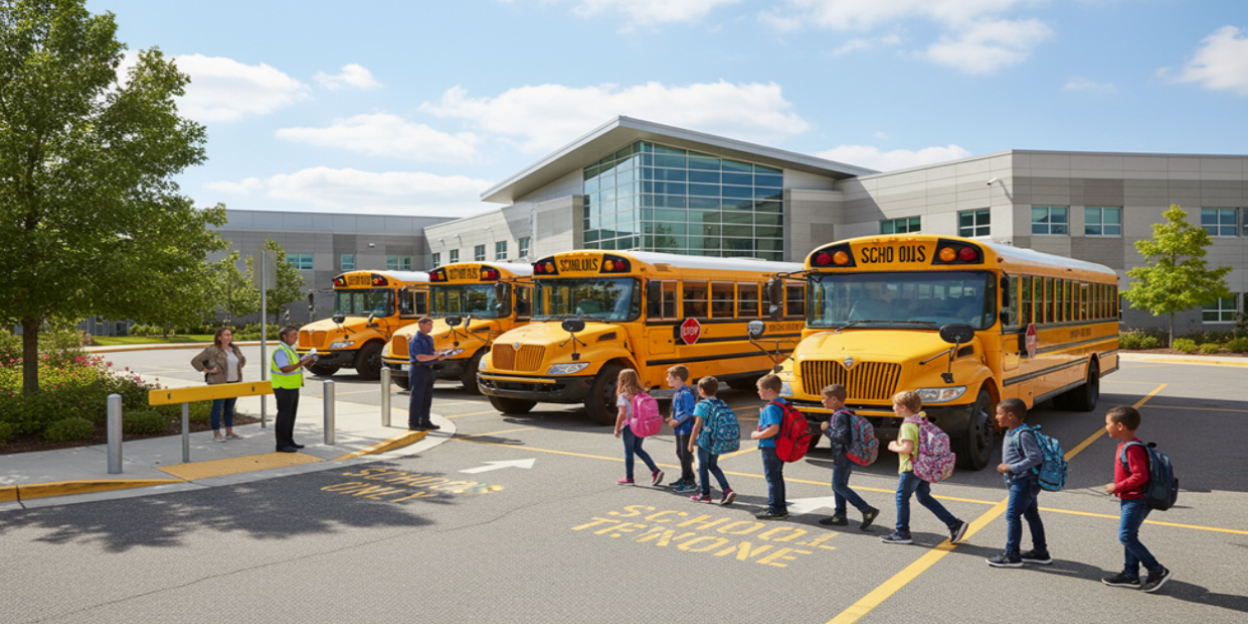
Safe school transportation doesn’t start on the road—it starts on paper, with clear, well-designed policies. A strong school transport policy is the foundation of a safe, predictable, and trustworthy system that protects students, supports staff, and reassures families. When written and implemented well, these policies move beyond “bus rules” and become a core part of a school’s overall safety culture.

At its core, an effective school transportation policy focuses on three pillars: vehicle safety, driver competence, and student behavior.

1. Vehicle Safety: Non-Negotiable Standards
Every vehicle used to transport students should meet or exceed government-mandated safety standards. This includes:

  • Regular, documented inspections and preventive maintenance
  • Functional seat belts, emergency exits, and fire extinguishers
  • Clear procedures for handling mechanical issues during transit

Making these requirements explicit in policy ensures that safety checks are not optional or ad-hoc, but a routine expectation.

2. Driver Training and Supervision
Drivers are at the center of transport safety. A robust policy should cover:

  • Thorough vetting: background checks, license verification, and medical fitness
  • Mandatory induction and periodic refresher training
  • Defensive driving and basic first aid training

Ongoing supervision is equally important. Surprise route inspections, ride-alongs, and periodic performance reviews help maintain standards. Technology can support this: GPS tracking for route and speed monitoring and onboard cameras for accountability and incident review.

3. Student Conduct and Supervision
Student behavior directly affects safety. A clear code of conduct for bus travel should be:

  • Age-appropriate, simple, and consistently communicated
  • Shared with students, staff, and parents
  • Reinforced through reminders, visuals, and orientation sessions

Rules such as remaining seated, using indoor voices, no pushing, no blocking aisles, and never distracting the driver should be standard. Bus monitors or aides, especially for younger children, can help manage behavior, support vulnerable students, and report concerns early.

4. Engaging Parents and Building Trust
Parent confidence grows when they understand how the system works. Schools can:

  • Share transport policies in handbooks, websites, and parent meetings
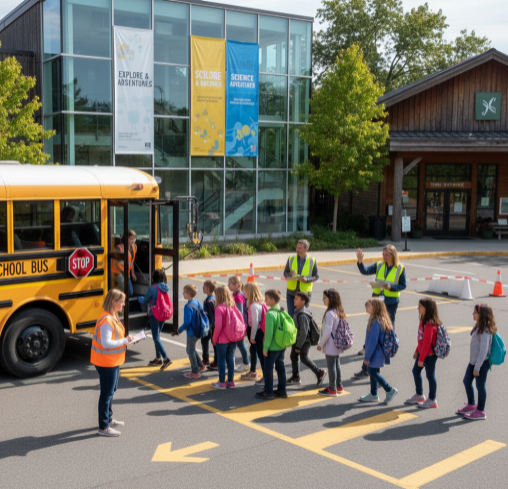
  • Organize short orientations on bus rules and safety expectations
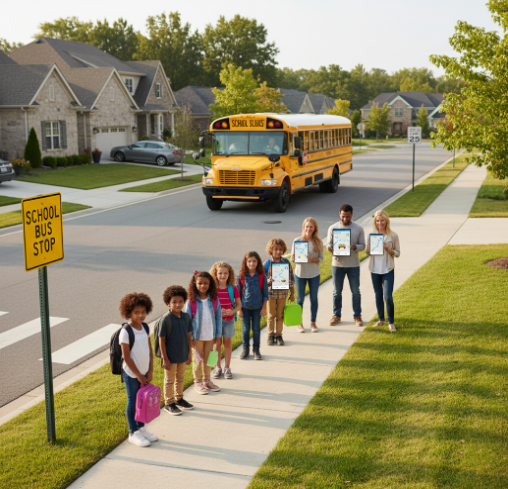
  • Encourage parents to model and reinforce respectful, safe behavior around pick-up and drop-off zones

A real-world example illustrates the impact: When the XYZ School District implemented a comprehensive policy focusing on regular vehicle inspections, structured driver training, and clear student conduct guidelines, bus-related incidents dropped by 40% in one year. Parents reported higher satisfaction and trust in the school’s commitment to safety.

If your school has buses but not a clearly documented, communicated, and monitored transportation policy, this is the time to act. Review your current practices, identify gaps in vehicle standards, driver training, and student behavior guidelines, and formalize them into a written policy. Safe journeys begin with strong policies—and every child on your bus deserves nothing less.

Prev Article
Best Practices for Implementing Vehicle Access Parking Systems in Schools
Next Article
Technological Innovations Transforming School Transport Safety

Related to this topic:

rocket-icon rocket-icon rocket-icon

Learn What Makes Schools Truly Safe

Receive safety guides, policy updates, and best practices from global experts.

We care about your Personnel Data. Please check Privacy Policy