ESC

What are you looking for?

ESC

What are you looking for?

Shopping cart

Your favorites

You have not yet added any recipe to your favorites list.

Browse recipes

Schedule your 15-minute demo now

We’ll tailor your demo to your immediate needs and answer all your questions. Get ready to see how it works!

0
0
×

School E-Shop

Managing Crowds at School Exhibitions

School exhibitions bring together students, parents, and community members to celebrate learning and creativity. But with large crowds in limited spaces, safety can quickly become a concern if movement is not properly planned. Effective crowd control ensures that everyone can enjoy the event without confusion, congestion, or risk.

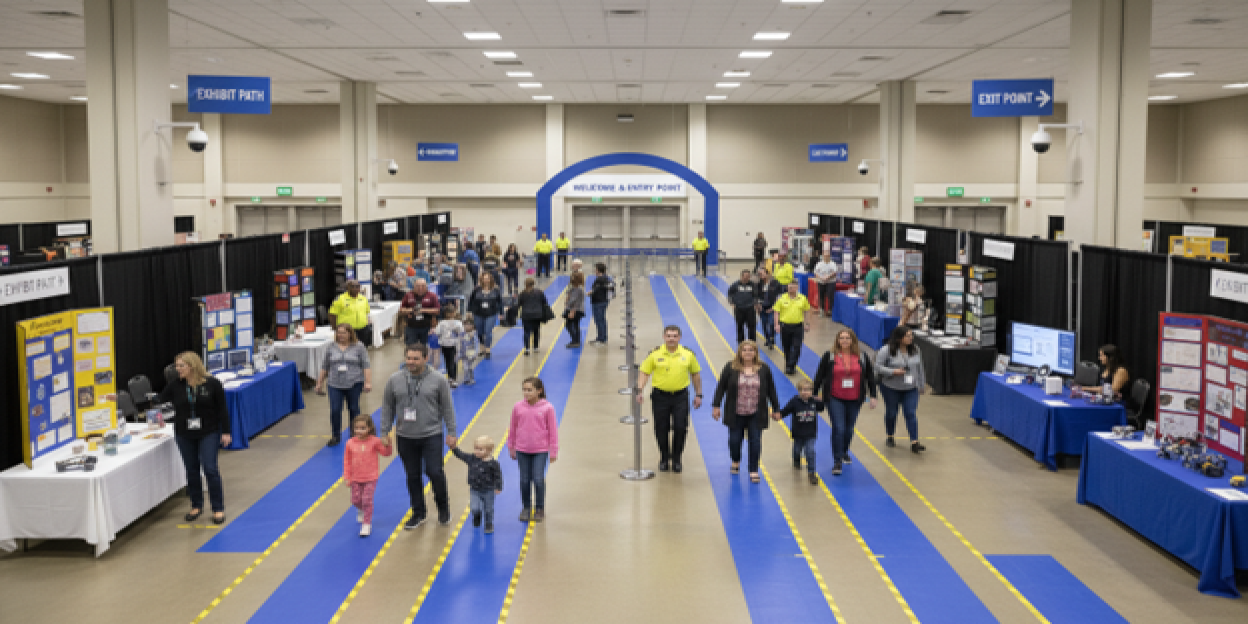
A well-organized exhibition starts with thoughtful venue planning. Schools should define clear entry and exit points and avoid using the same door for both when possible. Pathways for movement—especially near popular stalls, stage areas, and food counters—should be clearly marked with arrows, rope barriers, or floor tape. Displaying a simple layout map at the entrance helps visitors understand where to go, reducing unnecessary crowding and repeated back-and-forth movement.

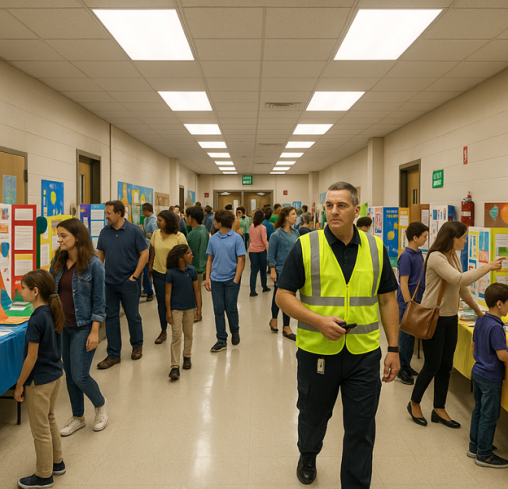
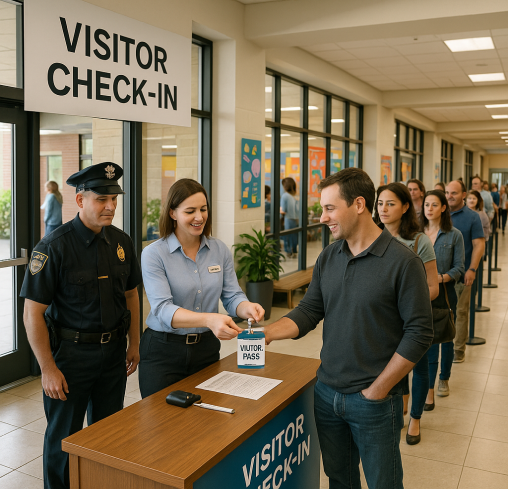
Security personnel deployment is equally important. Trained guards or designated staff should be placed at key locations such as the main gate, entrances to halls, staircases, and high-traffic zones. Their role is not only to control entry and exit but also to calmly guide visitors, manage queues, and respond quickly to any disturbance, medical issue, or missing child report. A clear communication line between security staff and event organizers—through walkie-talkies or mobile phones—is essential to coordinate responses and avoid confusion in case of any incident.

Monitoring and surveillance add another layer of protection. CCTV cameras, where available, should cover entrances, exits, cash collection points (if any), and crowded corridors. A designated person should be assigned to monitor the feeds during the event so potential risks—like overcrowding in a corner, suspicious behavior, or blocked exits—are identified early. Visible surveillance and patrolling also act as a deterrent against theft, unauthorized entry, or tampering with exhibits.

To further strengthen safety, schools can:

  • Limit the number of people inside closed halls at one time.
  • Use batch-wise entry for school groups or classes.
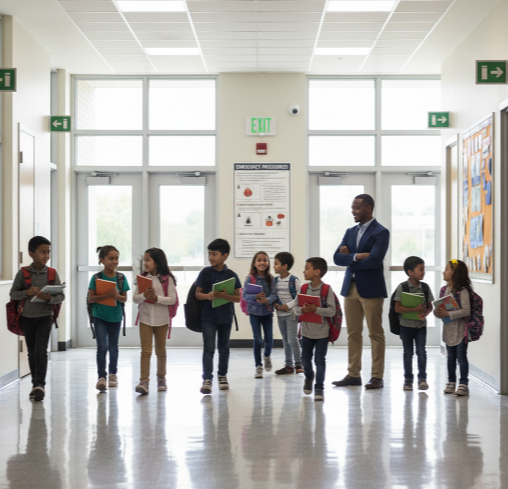
  • Keep emergency exits unobstructed and clearly marked.
  • Brief all staff and volunteers on basic crowd management and emergency procedures before the event.

Proper crowd management is not about creating fear or strict control; it is about ensuring a smooth, safe, and enjoyable experience for every visitor. When schools invest in planning, security deployment, and effective monitoring, exhibitions become not only memorable learning events but also models of responsible and safe event management.

Call-to-action: As you plan your next school exhibition, review your crowd control strategy—because a well-managed crowd is the first step to a safe and successful event.

Prev Article
Emergency Preparedness for School Exhibitions: A Practical Guide
Next Article
Visitor Screening & Security Checks for Safe School Exhibitions

Related to this topic:

rocket-icon rocket-icon rocket-icon

Learn What Makes Schools Truly Safe

Receive safety guides, policy updates, and best practices from global experts.

We care about your Personnel Data. Please check Privacy Policy