ESC

What are you looking for?

ESC

What are you looking for?

Shopping cart

Your favorites

You have not yet added any recipe to your favorites list.

Browse recipes

Schedule your 15-minute demo now

We’ll tailor your demo to your immediate needs and answer all your questions. Get ready to see how it works!

0
0
×

School E-Shop

Safer Schools Through Smarter Parking

School parking lots are often treated as “just a space for cars,” but in reality, they are high‑risk zones for both accidents and security incidents. A well-designed vehicle access parking system can transform this area into a controlled, predictable, and much safer environment for students, staff, and families.

Managing Traffic Flow

Unregulated parking areas quickly become congested, especially during arrival and dismissal. Vehicle access systems help schools:

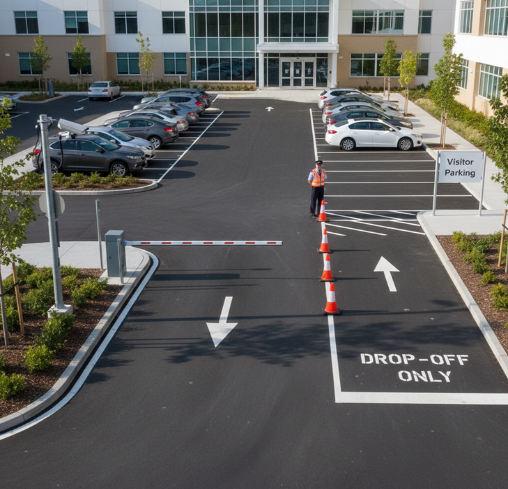
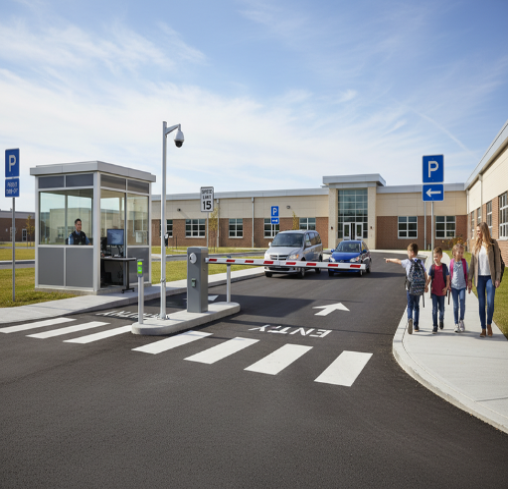
  • Define clear entry and exit points
  • Separate staff, visitor, and bus lanes
  • Use barriers, RFID/ID-based entry, or numbered passes to control movement

This structure reduces bottlenecks and confusion. When vehicles follow a predictable route at controlled speeds, the chances of rear-end collisions, side swipes, and confusion-driven accidents are significantly lowered—especially during peak drop-off and pick-up times.

Preventing Unauthorized Access

Every unknown vehicle on campus is a potential security concern. Access-controlled parking systems ensure that only recognized or pre-approved vehicles are allowed in. This can include:

  • Automated gates linked to staff/parent ID cards or RFID tags
  • Visitor registration and temporary access passes
  • Integration with a watchlist or alert system for suspicious vehicles

By filtering who can enter, schools greatly reduce the risk of intruders, unauthorized adults, or unknown contractors accessing sensitive areas near classrooms and Playgrounds.

Enhancing Pedestrian Safety

Children are unpredictable pedestrians—especially in busy parking lots. A safe parking design supported by access control will:

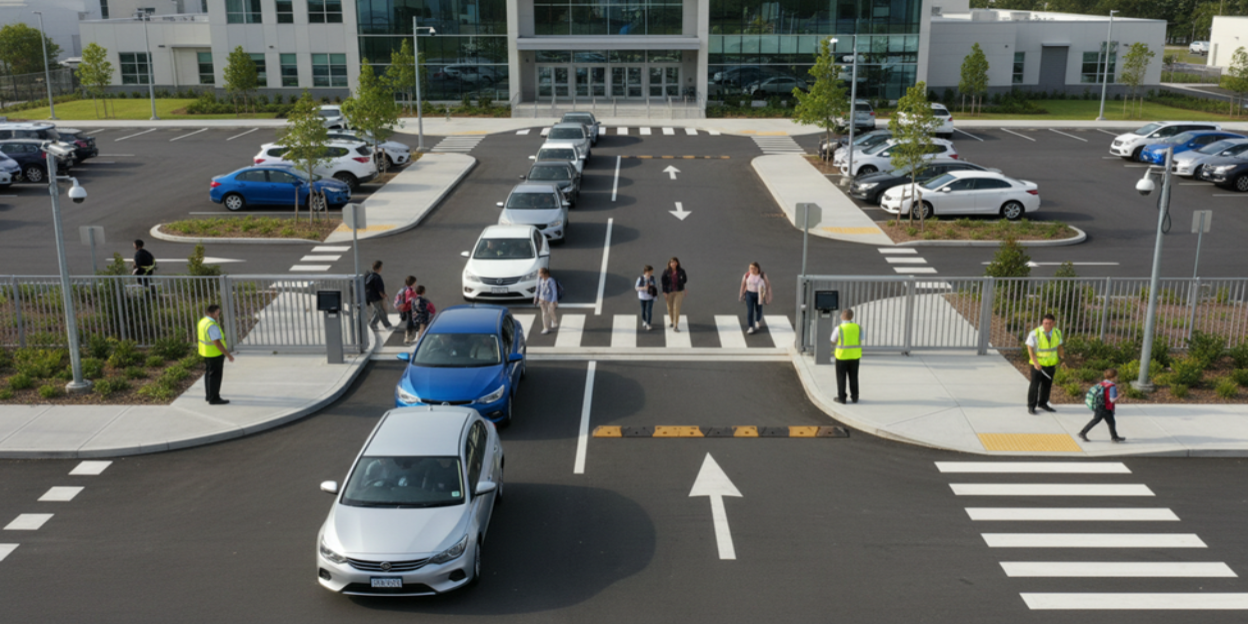
  • Clearly mark pedestrian-only zones and crossings
  • Ensure drop-off points are close to safe entry gates
  • Use speed bumps, signage, and strict speed limits
  • Position staff or security personnel at critical crossing points

When pedestrians have protected routes and vehicles are slowed and guided, the risk of child-vehicle accidents decreases dramatically.

Surveillance and Monitoring

CCTV cameras linked to vehicle access points strengthen both safety and investigation capabilities. Schools can:

  • Capture license plates at entry and exit
  • Review footage in case of hit-and-run, vandalism, or suspicious behavior
  • Monitor live feeds during busy times or security alerts

This visibility alone often deters unsafe driving and malicious intent.

Supporting Emergency Response

In an emergency, confusion in the parking lot can delay help and increase panic. A planned vehicle access system can:

  • Keep clear lanes for ambulances, police, and fire services
  • Automatically restrict non-essential vehicles
  • Guide parents’ cars away from assembly or evacuation areas

This ensures first responders can reach the school quickly and safely while maintaining order on the ground.

School leaders and child care administrators should regularly review their parking lot design and access controls. Investing in structured vehicle access systems—gates, signage, surveillance, and clear procedures—is not just an operational upgrade; it is a critical step in preventing accidents and security breaches on campus.

Prev Article
Designing Safe & Smart Vehicle Access Parking Systems for Schools
Next Article
Best Practices for Implementing Vehicle Access Parking Systems in Schools

Related to this topic:

rocket-icon rocket-icon rocket-icon

Learn What Makes Schools Truly Safe

Receive safety guides, policy updates, and best practices from global experts.

We care about your Personnel Data. Please check Privacy Policy