ESC

What are you looking for?

ESC

What are you looking for?

Shopping cart

Your favorites

You have not yet added any recipe to your favorites list.

Browse recipes

Schedule your 15-minute demo now

We’ll tailor your demo to your immediate needs and answer all your questions. Get ready to see how it works!

0
0
×

School E-Shop

Safer School Parking Access Systems

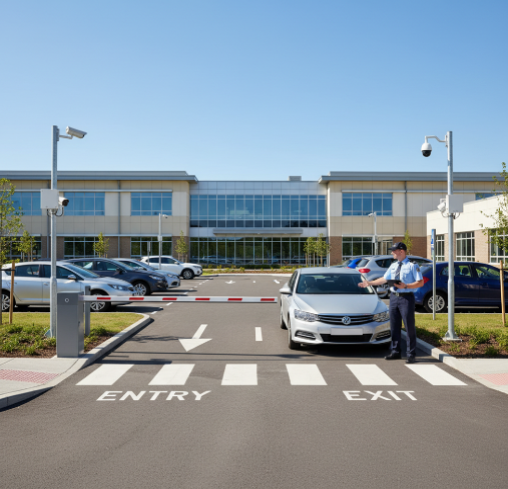
Implementing a vehicle access parking system is one of the most practical ways schools can reduce traffic chaos, protect students during peak hours, and keep unauthorized vehicles off campus. When done well, it improves both safety and daily convenience for staff and families.

A successful system is not just about barriers and cameras—it starts with a clear understanding of the school’s needs and ends with continuous monitoring and improvement.

1. Start with a Clear Needs Assessment

Before choosing any technology, schools should:

  • Map parking capacity and typical congestion times
  • Observe traffic patterns for cars, buses, staff, and service vehicles
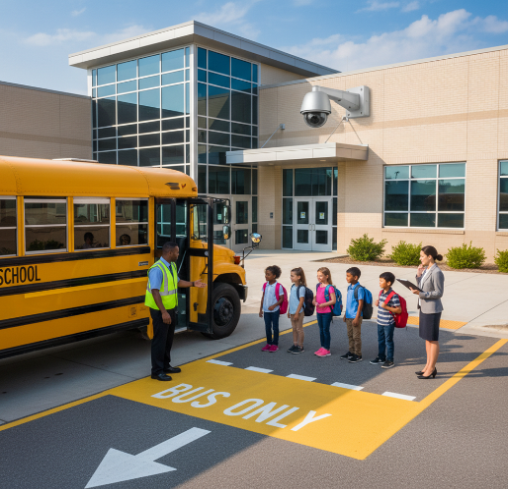
  • Identify high‑risk zones, such as drop‑off points and pedestrian crossings

This assessment helps determine how many entry/exit points are needed, where bottlenecks occur, and what level of access control is appropriate for the campus.

2. Involve Key Stakeholders Early

Vehicle access directly affects daily routines. Include:

  • School leadership and operations/transport staff
  • Teachers and administrative staff who park on-site
  • Parents and guardians, especially frequent drivers
  • Local authorities or traffic police, where applicable

Engaging stakeholders early ensures safety concerns are surfaced, local regulations are respected, and the final system is practical for real-life use.

3. Choose Technology That Matches Your Context

The “best” technology is what fits your site, risk level, and budget. Common components include:

  • RFID tags or access cards for staff and school vehicles
  • Automated gates or boom barriers to control entry and exit
  • Integration with existing CCTV and school security systems
  • License plate recognition (LPR/ANPR), where budgets allow

Priority should be given to reliability, ease of use, and compatibility with existing infrastructure over “fancy” features that may be hard to maintain.

4. Train Users and Communicate Clearly

Even the best system fails without user understanding. Schools should:

  • Train security staff and key personnel on operating the system and handling exceptions
  • Share simple, visual guides on parking rules and access routes with parents and staff
  • Clearly display speed limits, stop lines, and pedestrian crossings
  • Provide a visible contact number or helpdesk for reporting access issues

Consistent communication reduces confusion, unsafe shortcuts, and frustration during the initial rollout.

5. Conduct Regular Audits and Plan Upgrades

Traffic and school populations change over time. To keep the system effective:

  • Review entry/exit logs and CCTV footage periodically for recurring issues
  • Check for outdated hardware or software vulnerabilities
  • Reassess traffic patterns after timetable or enrollment changes
  • Update protocols after drills, incidents, or near-misses

Routine audits and timely upgrades help maintain security, reduce congestion, and extend the life of the system.

By following these best practices, schools can implement vehicle access parking systems that genuinely enhance safety, reduce daily stress, and protect the school community for years to come.

Prev Article
How Smart Vehicle Access Parking Makes School Campuses Safer
Next Article
The Foundation of Safe School Transportation Policies

Related to this topic:

rocket-icon rocket-icon rocket-icon

Learn What Makes Schools Truly Safe

Receive safety guides, policy updates, and best practices from global experts.

We care about your Personnel Data. Please check Privacy Policy