ESC

What are you looking for?

ESC

What are you looking for?

Shopping cart

Your favorites

You have not yet added any recipe to your favorites list.

Browse recipes

Schedule your 15-minute demo now

We’ll tailor your demo to your immediate needs and answer all your questions. Get ready to see how it works!

0
0
×

School E-Shop

Smarter Tech, Safer School Transport

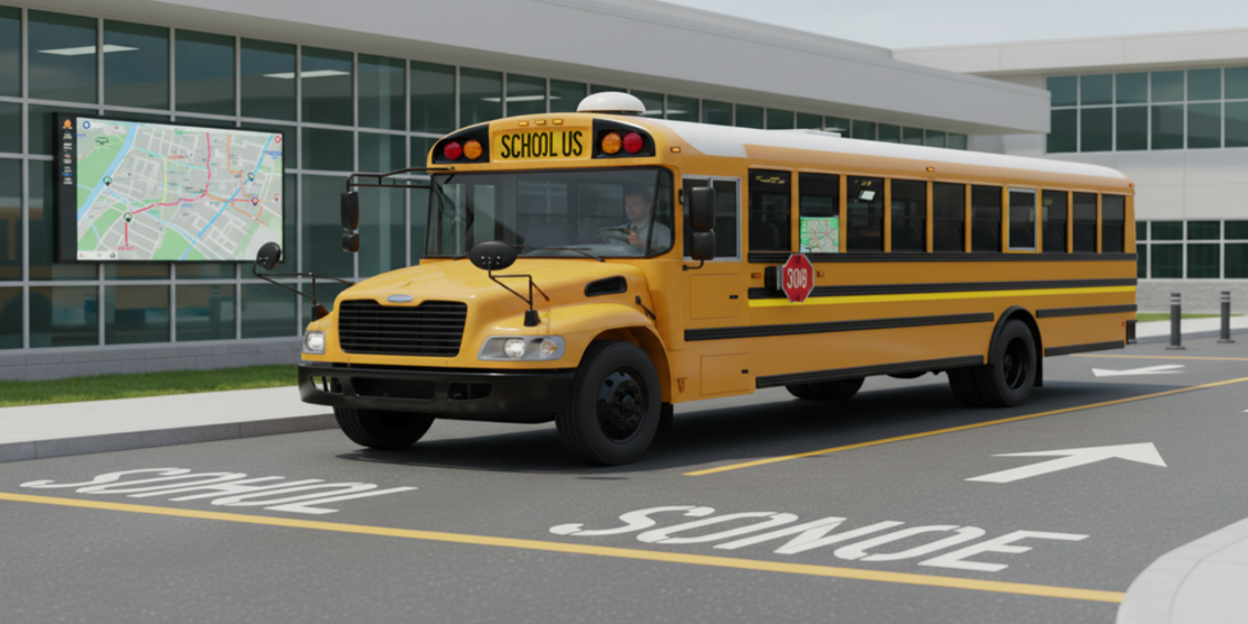
Technological innovation is reshaping how schools manage student transportation. What was once a largely manual, hard-to-track process is now becoming smarter, safer, and more transparent. With the right tools, schools can monitor buses in real time, respond faster in emergencies, and give parents greater peace of mind.

GPS Tracking: Knowing Where Every Bus Is

GPS tracking systems have become a cornerstone of modern school transport safety. These tools allow schools and, in many cases, parents to see exactly where a bus is at any given moment.

Real-time tracking helps to:

  • Confirm on-time arrivals and departures
  • Identify route deviations or unexpected stops
  • Support rapid response if a bus breaks down or an incident occurs

Beyond safety, GPS data helps schools optimize routes, cutting unnecessary mileage, saving fuel, and reducing travel time. Fewer minutes on the road means less exposure to risk and a smaller environmental impact.

Surveillance Cameras: Safety and Accountability

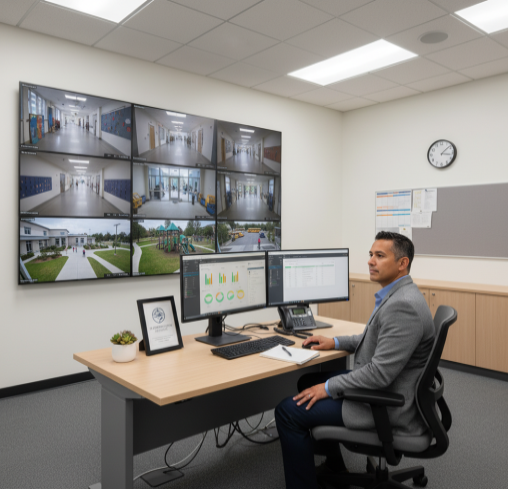
Onboard cameras significantly improve accountability for drivers and students. Video coverage inside and outside the bus can:

  • Deter bullying, vandalism, and unsafe behavior
  • Provide clear evidence during incident investigations
  • Support driver coaching on safe driving practices

Newer systems use AI to flag risky behaviors such as speeding, harsh braking, or frequent lane changes. This proactive feedback allows transport managers to intervene early and maintain consistently high safety standards.

Emergency Communication Tools: Responding in Real Time

During an emergency, clear, instant communication can prevent panic and reduce risk. Modern school buses increasingly use:

  • Two-way radios for immediate contact with school authorities
  • Mobile apps to notify parents of delays, rerouting, or incidents
  • Panic or SOS buttons that send instant alerts and precise GPS location

These tools support coordinated, timely responses, whether dealing with road closures, severe weather, or a medical emergency on board.

Case Example: Building Parent Trust

When ABC School introduced GPS tracking and a parent notification app, families could monitor bus locations in real time and receive automatic alerts about delays. Within months, complaints about “not knowing where the bus is” dropped by 60%, and overall satisfaction with school transport rose significantly. This shows how technology not only improves safety, but also builds trust.

Challenges and Responsible Use

Schools must plan for start-up and maintenance costs, ongoing staff training, and technical support. Data privacy is crucial: clear policies on what is collected, who can access it, and how long it is stored are essential for legal compliance and parent confidence.

When thoughtfully implemented, GPS tracking, surveillance cameras, and modern communication tools work together to create safer, more efficient school transport—protecting students and strengthening the partnership between schools and families.

Prev Article
The Foundation of Safe School Transportation Policies
Next Article
The Importance of Student and Staff Insurance in School Safety

Related to this topic:

rocket-icon rocket-icon rocket-icon

Learn What Makes Schools Truly Safe

Receive safety guides, policy updates, and best practices from global experts.

We care about your Personnel Data. Please check Privacy Policy