ESC

What are you looking for?

ESC

What are you looking for?

Shopping cart

Your favorites

You have not yet added any recipe to your favorites list.

Browse recipes

Schedule your 15-minute demo now

We’ll tailor your demo to your immediate needs and answer all your questions. Get ready to see how it works!

0
0
×

School E-Shop

Hygiene Essentials for School Cafeterias

A clean cafeteria is more than just a nice-to-have—it is a core part of school safety. Poor hygiene in dining areas can quickly lead to the spread of illnesses, disrupt learning, and worry families. By putting clear hygiene and sanitation practices in place, schools can create a dining environment where students and staff feel safe and cared for.

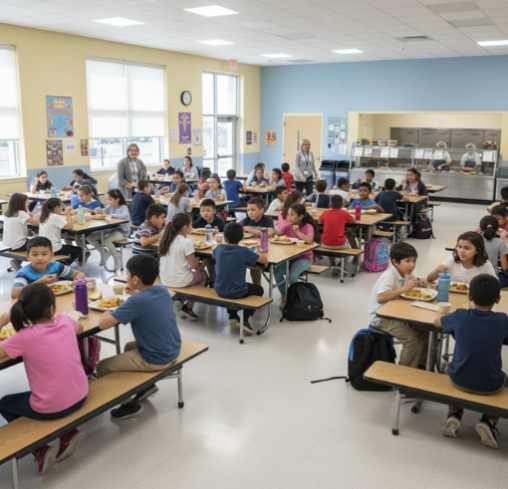
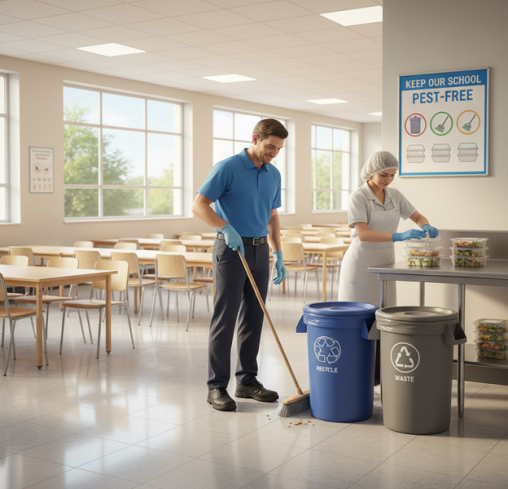
Regular cleaning routines form the backbone of a hygienic cafeteria. Tables, chairs, and floors should be cleaned and sanitized after every meal session, not just at the end of the day. High-touch surfaces—such as door handles, serving counters, tray rails, and payment terminals—need frequent disinfection, especially during peak times. Using checklists and visible cleaning schedules helps ensure that no area is overlooked and that staff know exactly what must be done and when.

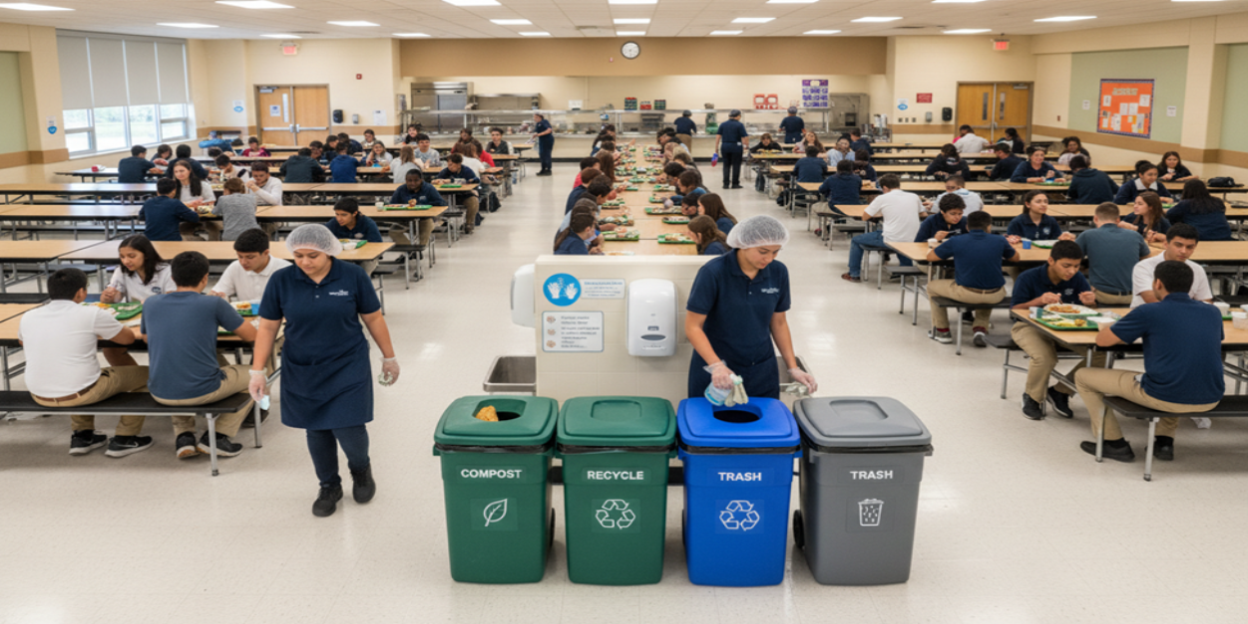
Proper waste management is equally important. Cafeterias should provide clearly labeled trash, recycling, and food waste bins in convenient locations. Bins must be emptied regularly to prevent odors, pests, and overflow. Simple visual labels or color-coding can guide students to dispose of waste correctly, reducing litter and supporting sustainability efforts at the same time.

Hand hygiene is one of the most effective defenses against the spread of germs. Accessible handwashing stations with soap, running water, and disposable towels should be available near cafeteria entrances and restrooms. Where sinks are limited, alcohol-based hand sanitizer dispensers at entry points can encourage quick cleaning before meals. Age-appropriate posters and reminders can nudge students to wash or sanitize their hands as part of their daily routine.

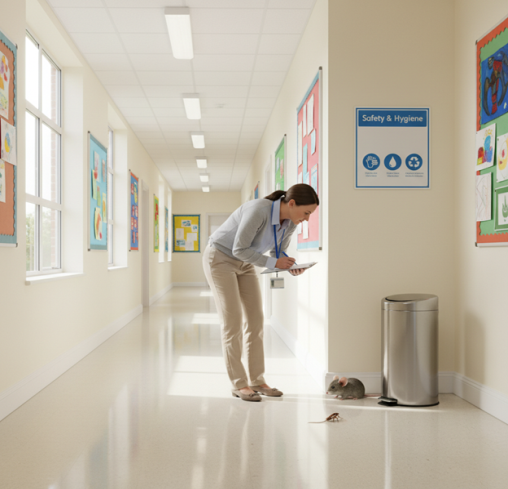
Pest control is another critical dimension of cafeteria safety. Food scraps, spills, and improperly stored items can attract insects and rodents. Schools should work with licensed pest control professionals to conduct regular inspections and respond quickly to any signs of infestation. Ensuring food is stored in sealed containers, keeping storage rooms tidy, and addressing spills immediately all help reduce pest risks.

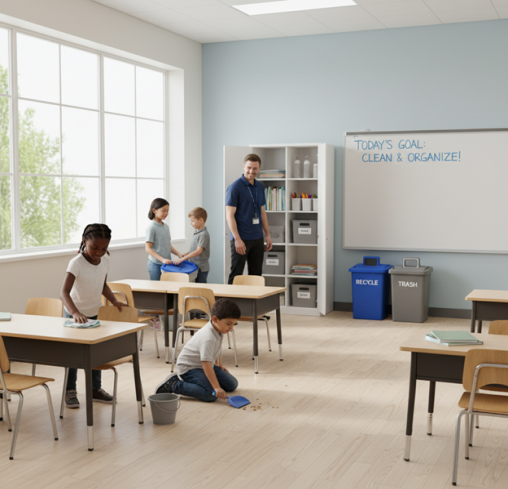
Finally, hygiene and sanitation must be a shared responsibility. Cafeteria staff need training in safe food handling, cleaning techniques, and sanitation protocols. At the same time, students can be taught simple expectations: clearing their trays, disposing of waste correctly, and respecting shared spaces. Short awareness talks, posters, and teacher reinforcement can turn hygiene into a school-wide habit rather than just a rule.

When schools prioritize hygiene and sanitation in cafeterias, they reduce illness, build parent trust, and provide students with a calm, pleasant place to eat and socialize. Clean, well-managed dining spaces send a clear message: health and safety are part of how we care for every child, every day.

Prev Article
The Importance of Behavior Management in School Cafeterias
Next Article
Enhancing Allergen Safety in School Cafeterias: A Practical Guide

Related to this topic:

rocket-icon rocket-icon rocket-icon

Learn What Makes Schools Truly Safe

Receive safety guides, policy updates, and best practices from global experts.

We care about your Personnel Data. Please check Privacy Policy